The first solar eclipse of 2026 arrives Tuesday, but it won't be the kind that most people are familiar with.
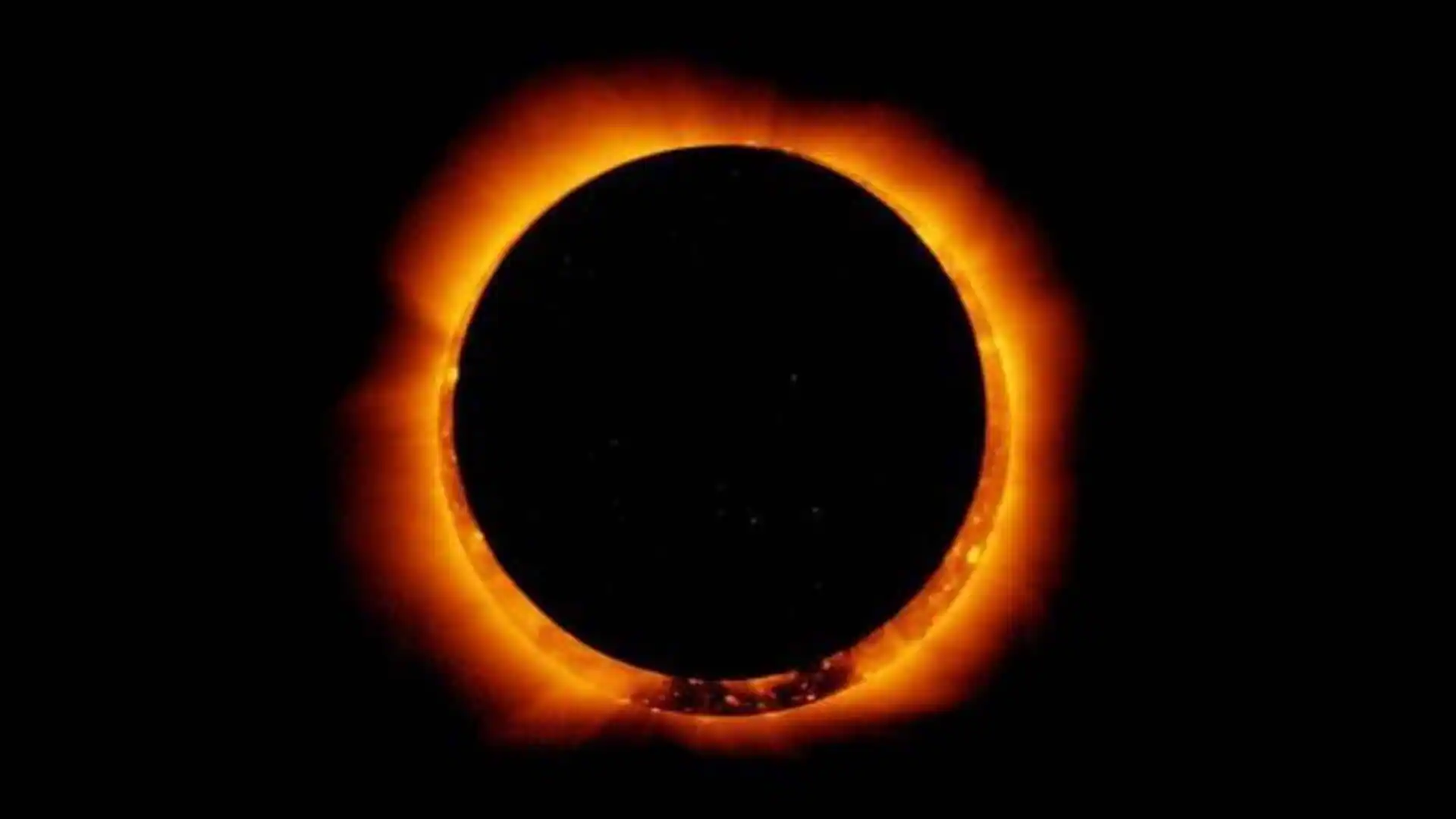
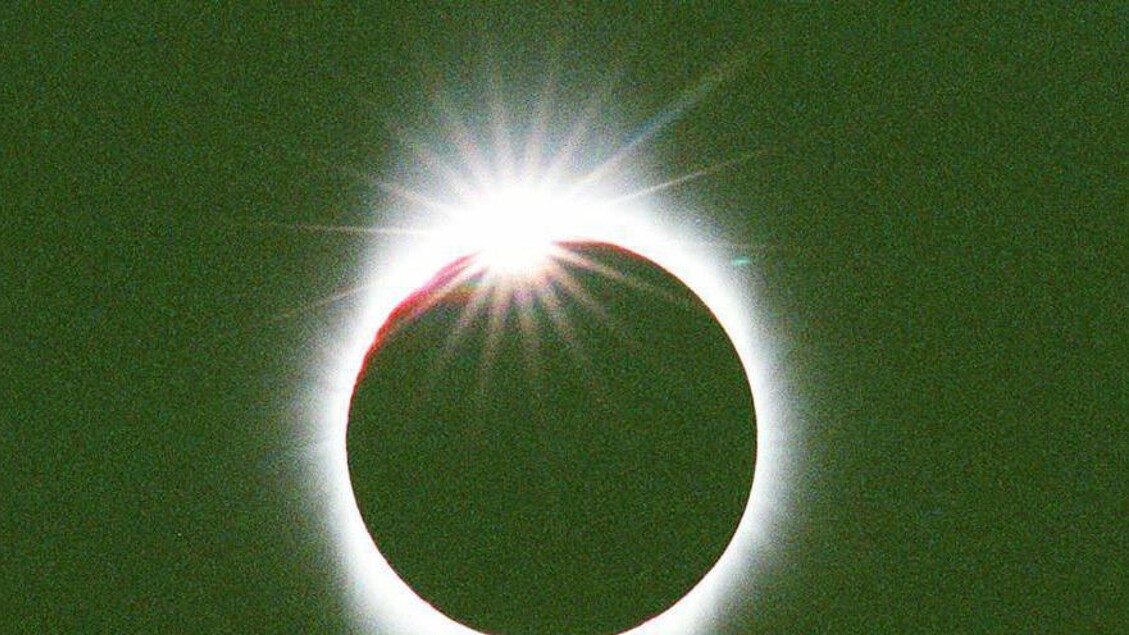
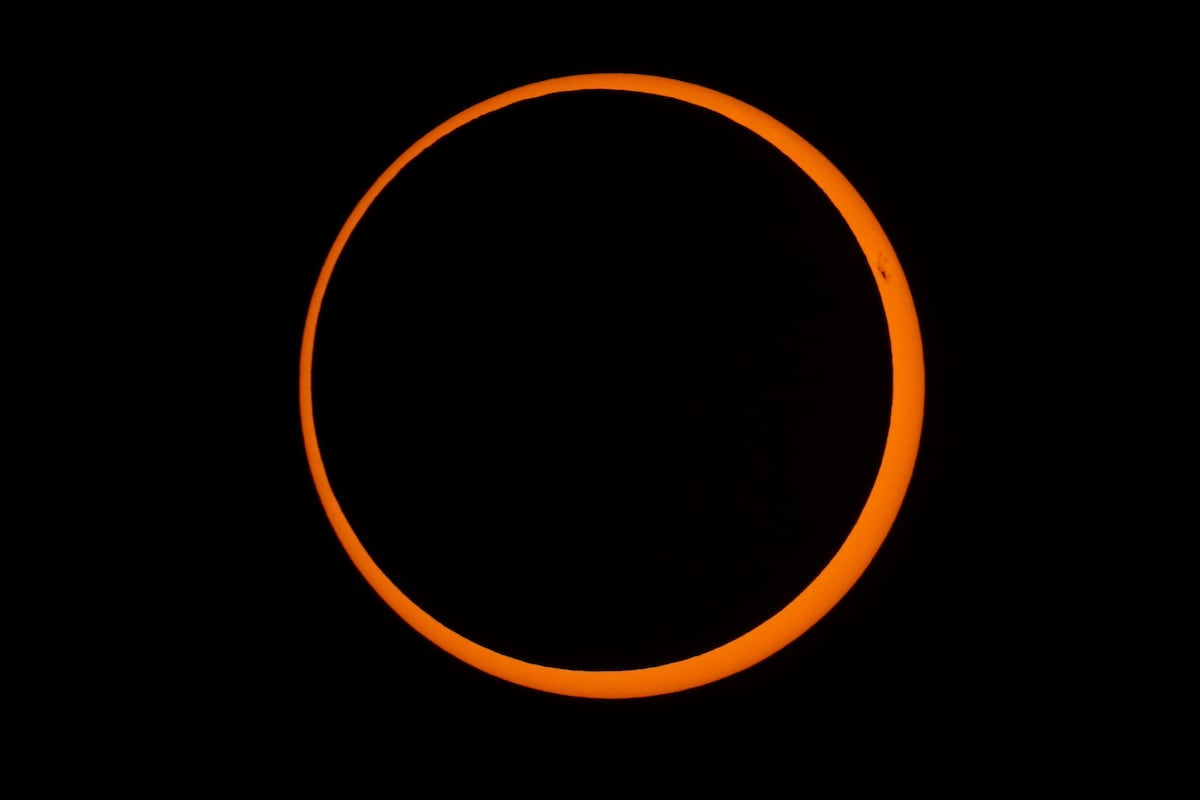
On Feb. 17, the moon will pass between Earth and the sun to create an annular solar eclipse, often called a "ring of fire." In an annular eclipse, the moon is a bit farther from Earth than average, so it looks slightly smaller in the sky and can't cover the sun completely. At peak, a bright ring of sunlight remains visible around the moon's silhouette.
A similar "ring of fire" eclipse crossed parts of the Americas on Oct. 14, 2023, drawing crowds across a wide swath from Oregon to Texas.
Where will Tuesday's eclipse be visible?
The path where the full ring effect is visible will track over a remote part of Antarctica and surrounding waters, including the southern Indian Ocean.