ICE lawyers in New York City earn more than $100,000 a year, enjoy generous benefits and post about rich social lives. Their work is vital to Trump’s deportation agenda
O
ne morning last June in an immigration courtroom in New York City, a lawyer named Estefani Rodriguez looked as if she was on the verge of a nervous breakdown. She was a prosecuting attorney for the Department of Homeland Security’s Immigration and Customs Enforcement agency (ICE). Her job was to present immigration judges with motions to kick non-citizens out of the United States – to switch on the deportation machine.
Rodriguez is in her late 30s, with long hair and full cheeks. According to the website of the Dominican Bar Association, her parents are immigrants from the Dominican Republic. In online photos, she sports a wide smile. But on this day, as she covered one of some 60 immigration courtrooms housed in labyrinthine federal buildings in lower Manhattan, she seemed to churn with angst. Repeatedly she touched her hands to her mouth, then under her glasses, then back to her mouth, and then she rubbed and rubbed her eyes.
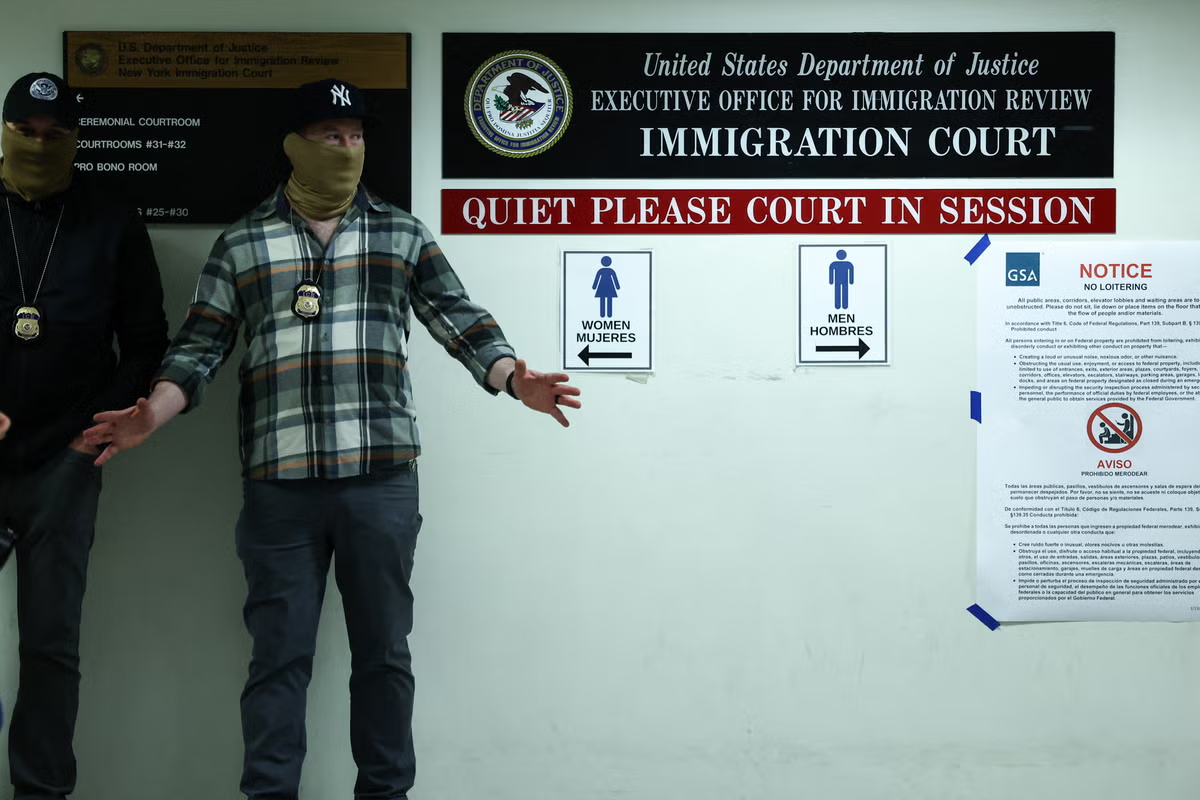
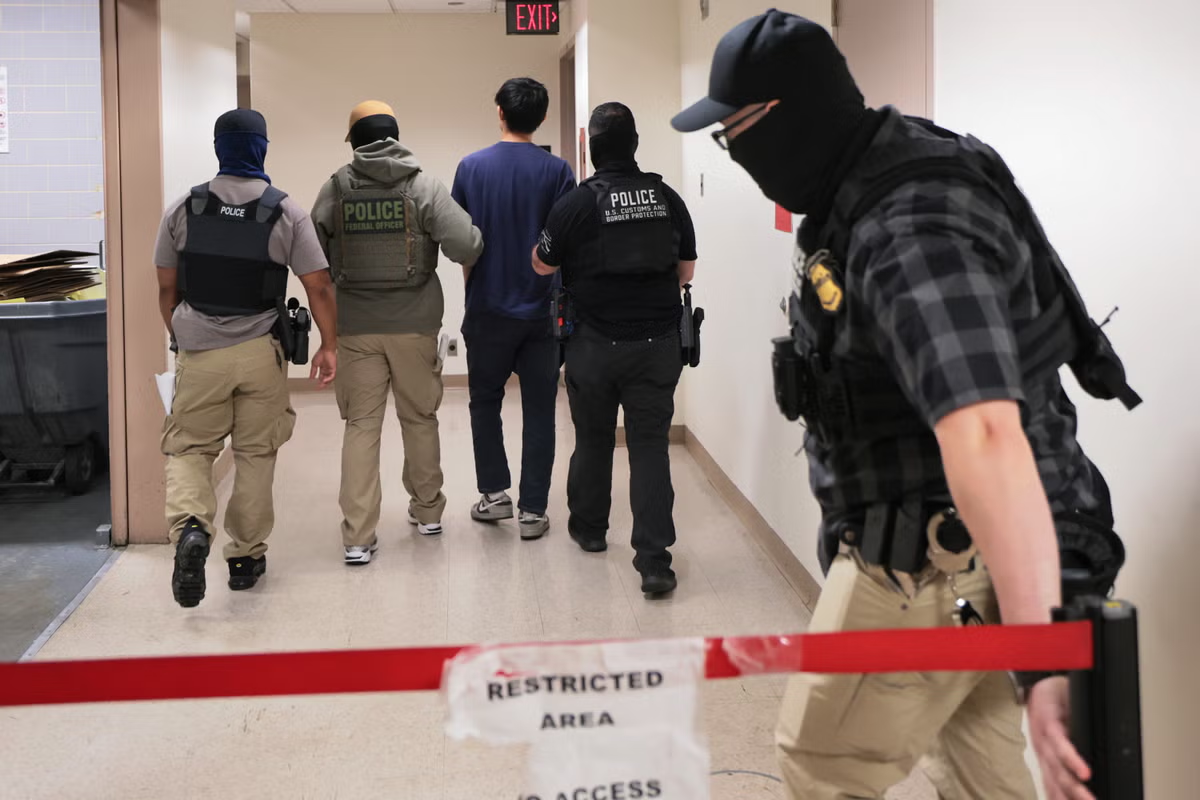
Rodriguez and I were calling into court via Webex, a platform for virtual appearances that resembles Zoom and is used by immigration courts nationally. Inside the physical courtroom near Broadway Street sat eight immigrants, all from Latin American countries. Some were minors, teenagers, including a 10th-grade girl the immigration judge addressed as “ma’am”. None had lawyers. The presence of two volunteer court watchers, at the ready to accompany them to the street, suggested that masked ICE agents lurked in the hallway. When the judge called a 10-minute break for everyone to use the bathroom, the immigrants stayed glued to their seats.