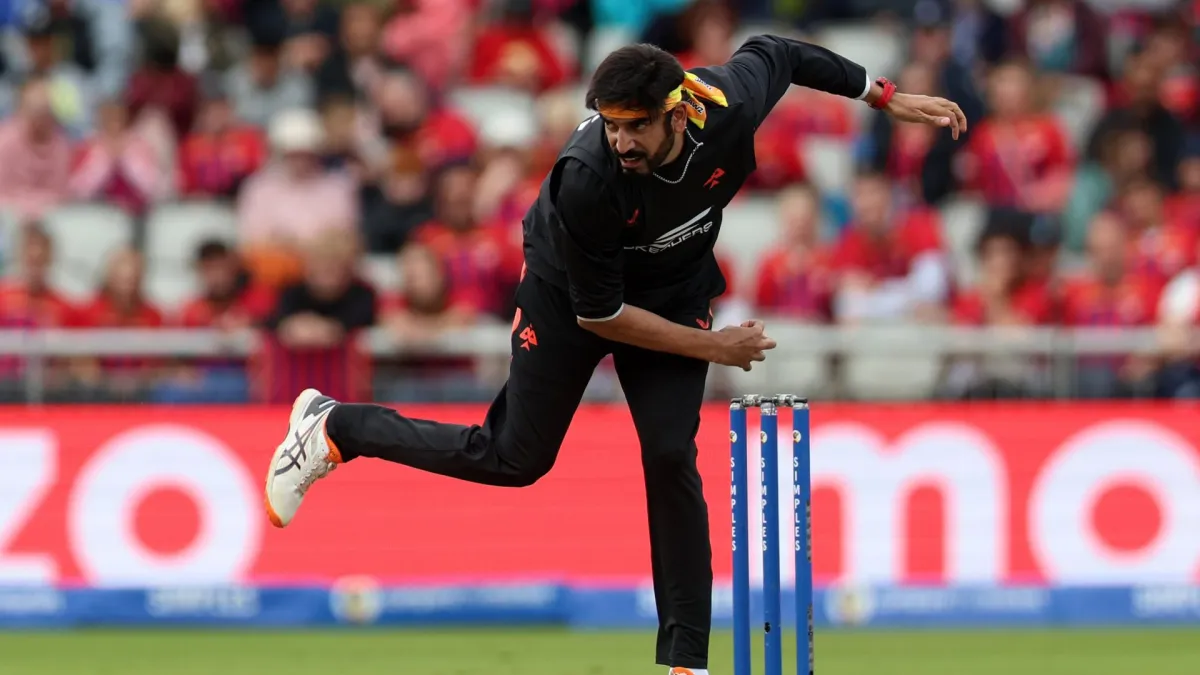
The advent of short-form cricket has pushed bowlers to use new weapons, among them deceptive slower deliveries
F
ranklyn Stephenson’s throaty chuckle rolls down the phone line. “You know the hardest thing about bowling that ball? I couldn’t stop laughing when I saw how the batsmen were trying to play it! They’d be jabbing here or ducking there, most of them were so clueless!”
Since the earliest days of cricket, bowlers have bamboozled batters with deceptive changes of pace. You can picture those old tricksters now, flannelled and moustachioed, deploying an assortment of sky-high lobs and skiddy, scudding deliveries with a glint in the eye, wreaking havoc on the wealds and downs of southern England.
A couple of hundred years later, the Surrey and England bowler Bill Lockwood was said to possess a slower ball “of almost sinful deceit” at the turn of 20th century. Lockwood was hailed by Wisden’s Almanack as “one of the game’s first great fast bowlers” but could deploy his slower ball without any discernible change to his action. This is a crucial factor in the deceptive alchemy of any slower delivery, as Stephenson attests.