Wildfires that left 23 people dead were made about three times more likely by global heating, researchers say
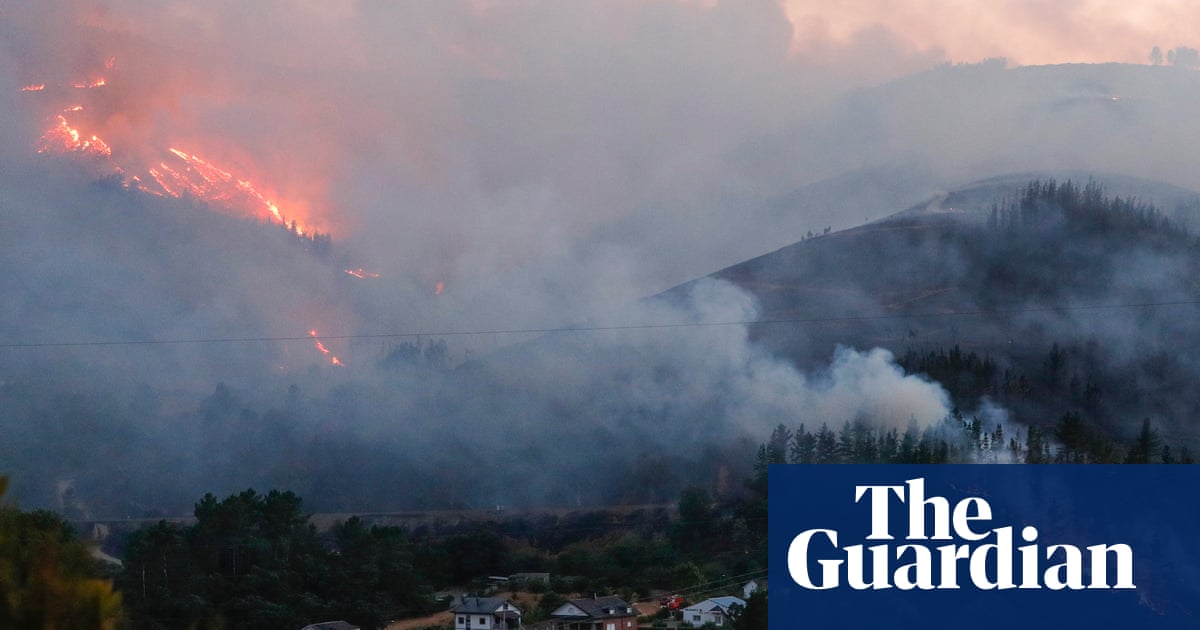
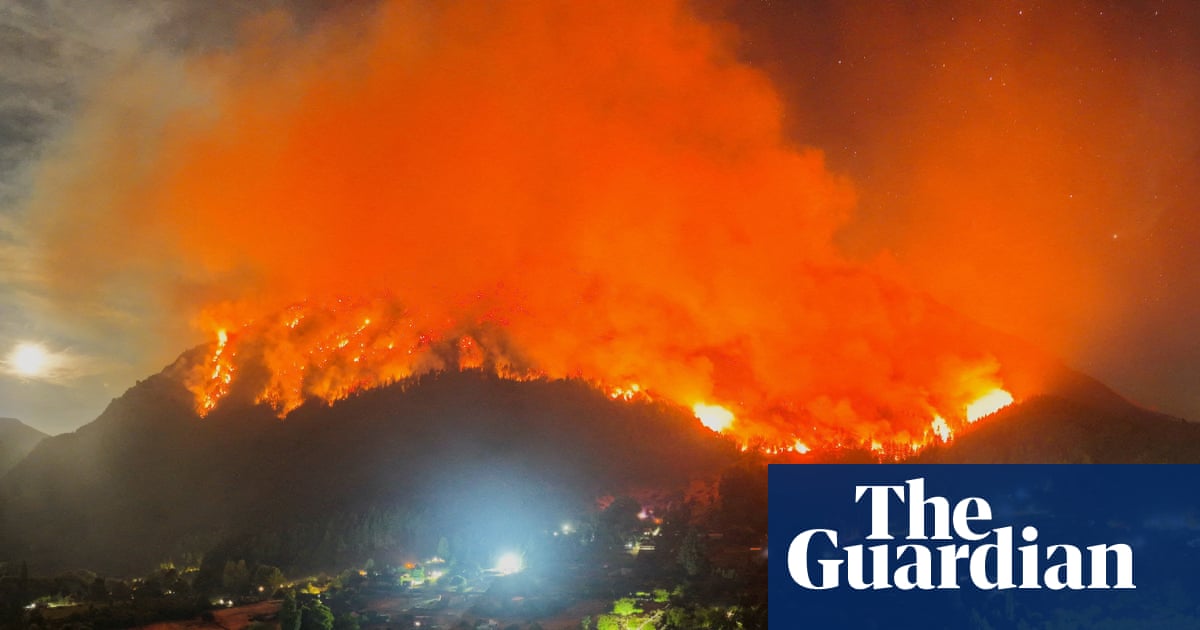
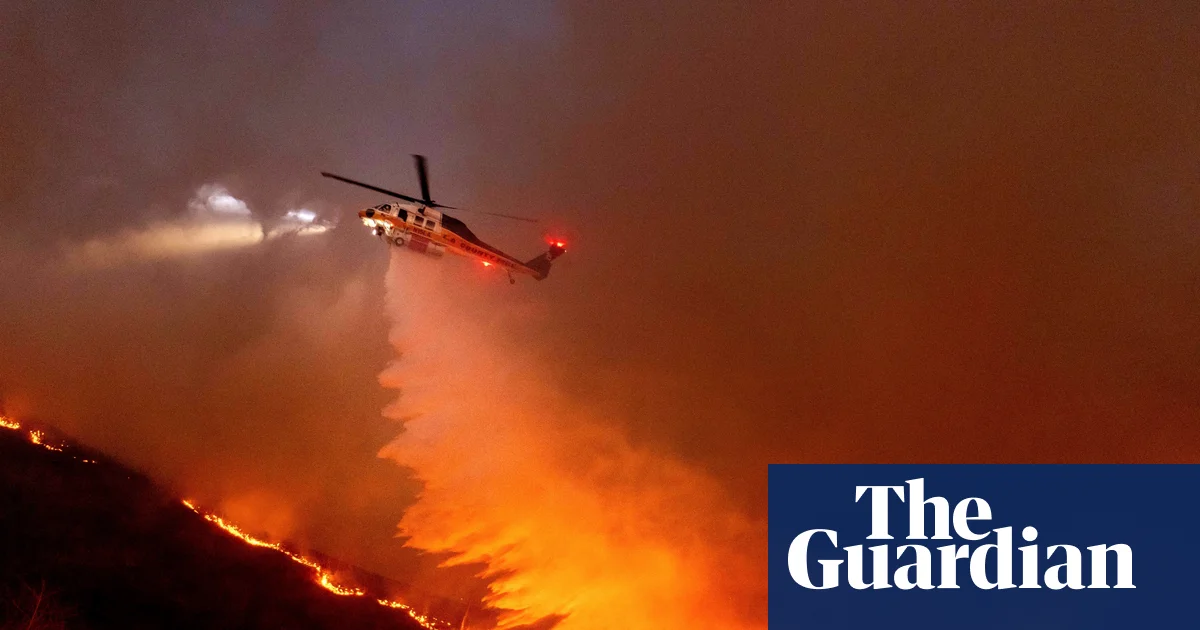
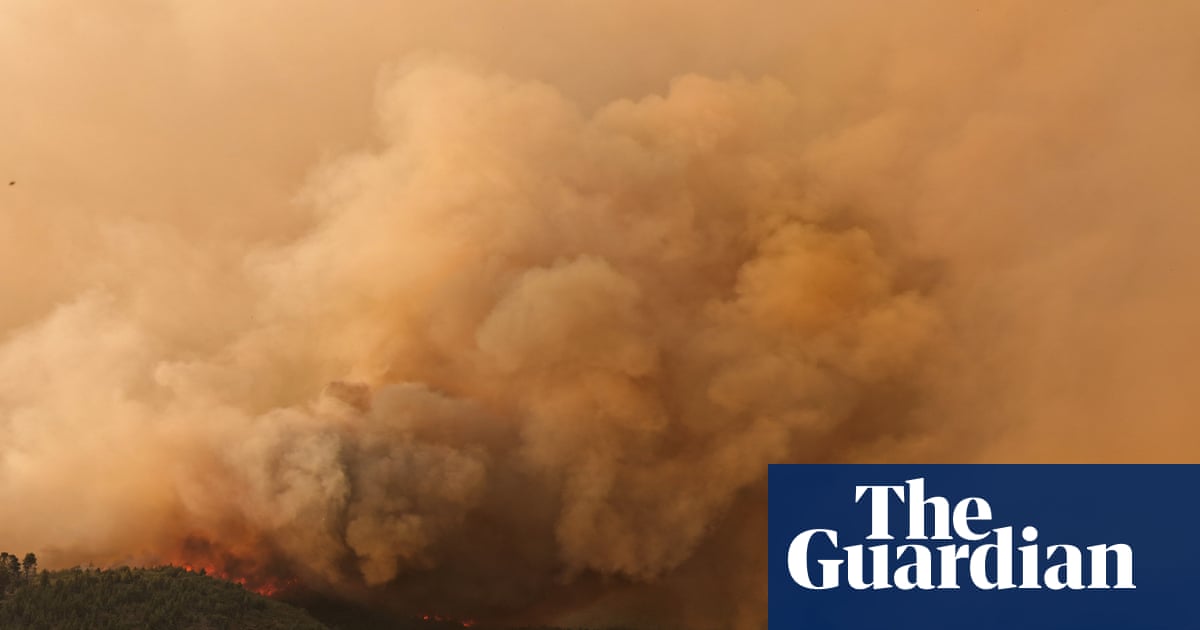
The climate crisis inflamed deadly wildfires that left 23 people dead in Chile and devastated forests in Argentina that host some of the world’s oldest trees, scientists have found.
The hot, dry and windy conditions that enabled the fires to blaze across huge areas in January were made about three times more likely by global heating, researchers from the World Weather Attribution (WWA) consortium found.
Parts of Chile and Argentina are experiencing significantly drier summers as a result of human-caused carbon emissions, with rainfall now 25% lower in early summer in Chile and 20% lower in the affected region of Patagonia.
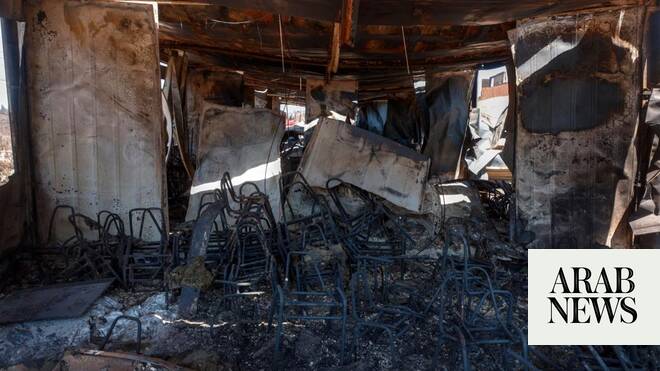
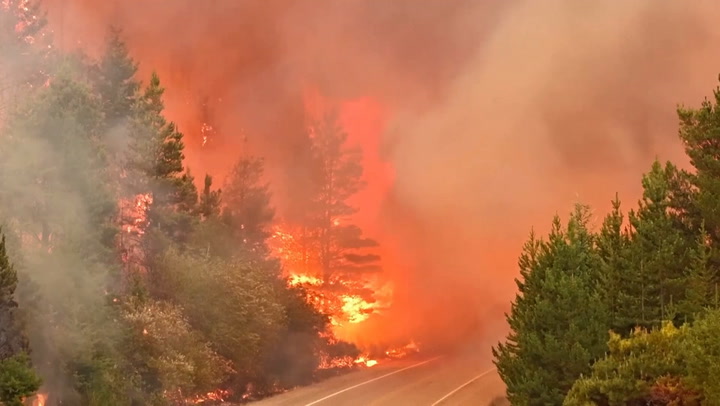
Severe wildfires left the Chilean regions of Biobío and Ñuble in a “state of catastrophe” in mid-January and killed 23 people, destroyed more than 1,000 homes and forced 52,000 people to flee. The fires were driven by temperatures exceeding 37C and strong winds.