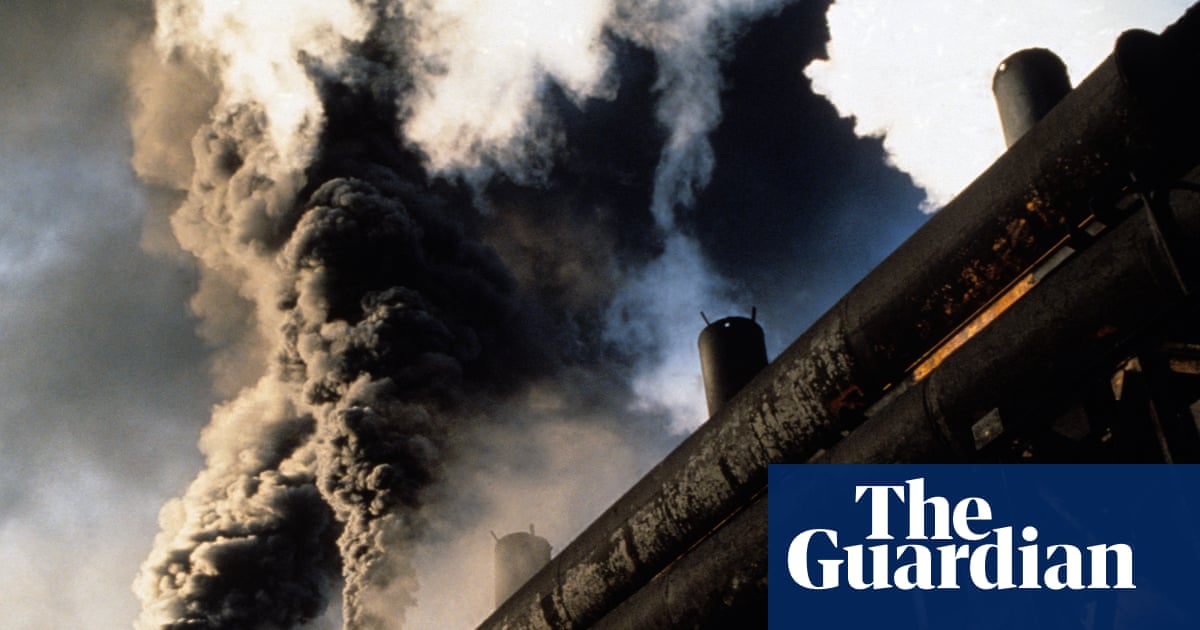
Emissions have plunged 75% since communist times in the birthplace of big oil – but for some the transition has been brutal
O
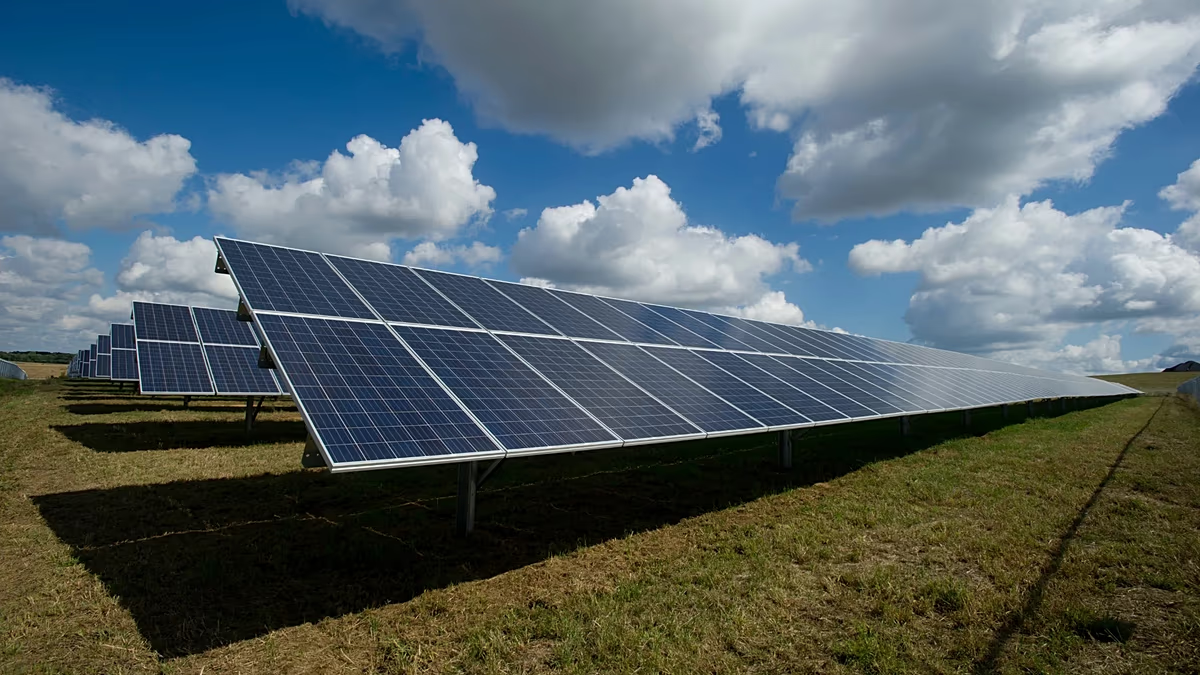
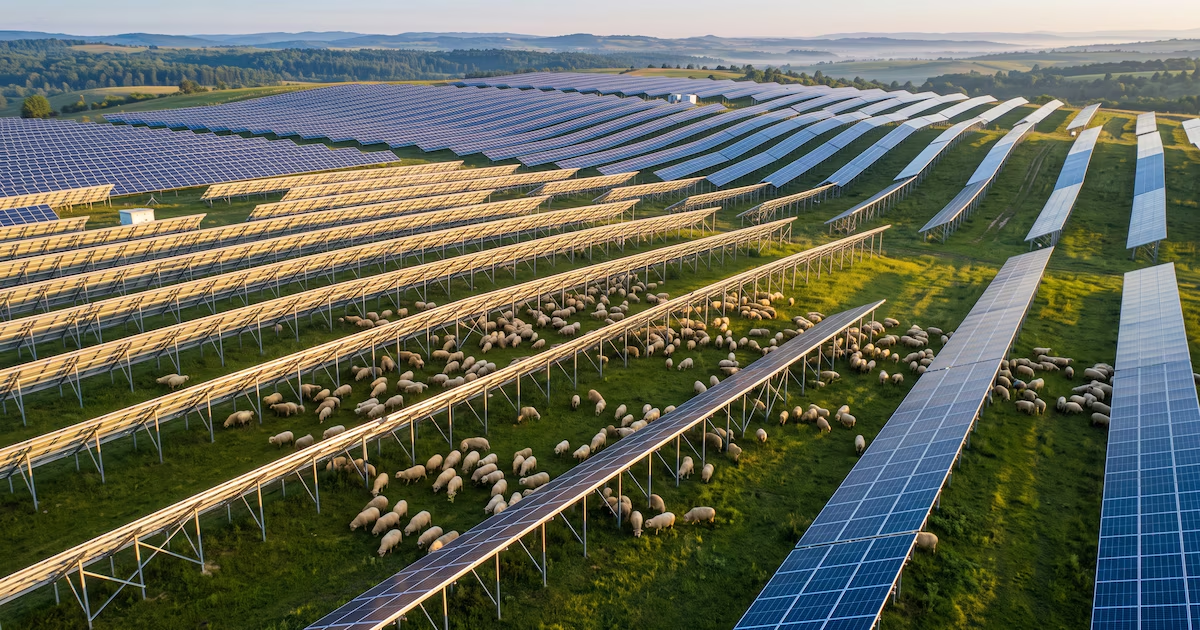
nce the frozen fields outside Bucharest have thawed, workers will assemble the largest solar farm in Europe: one million photovoltaic panels backed by batteries to power homes after sunset. But the 760MW project in southern Romania will not hold the title for long. In the north-west, authorities have approved a bigger plant that will boast a capacity of 1GW.
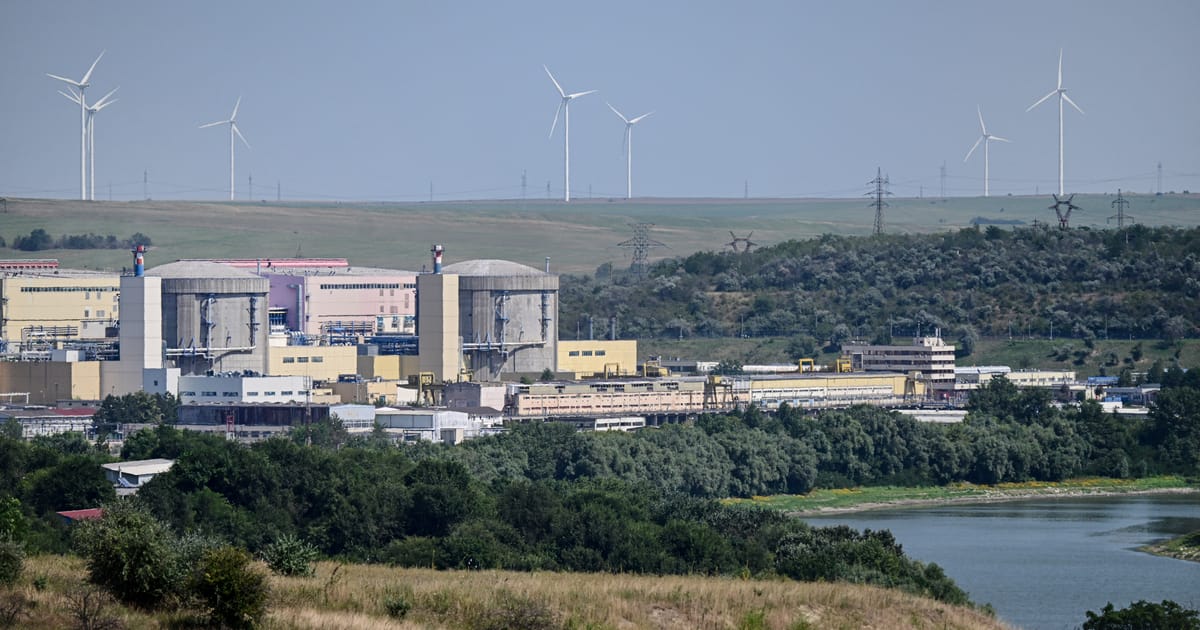
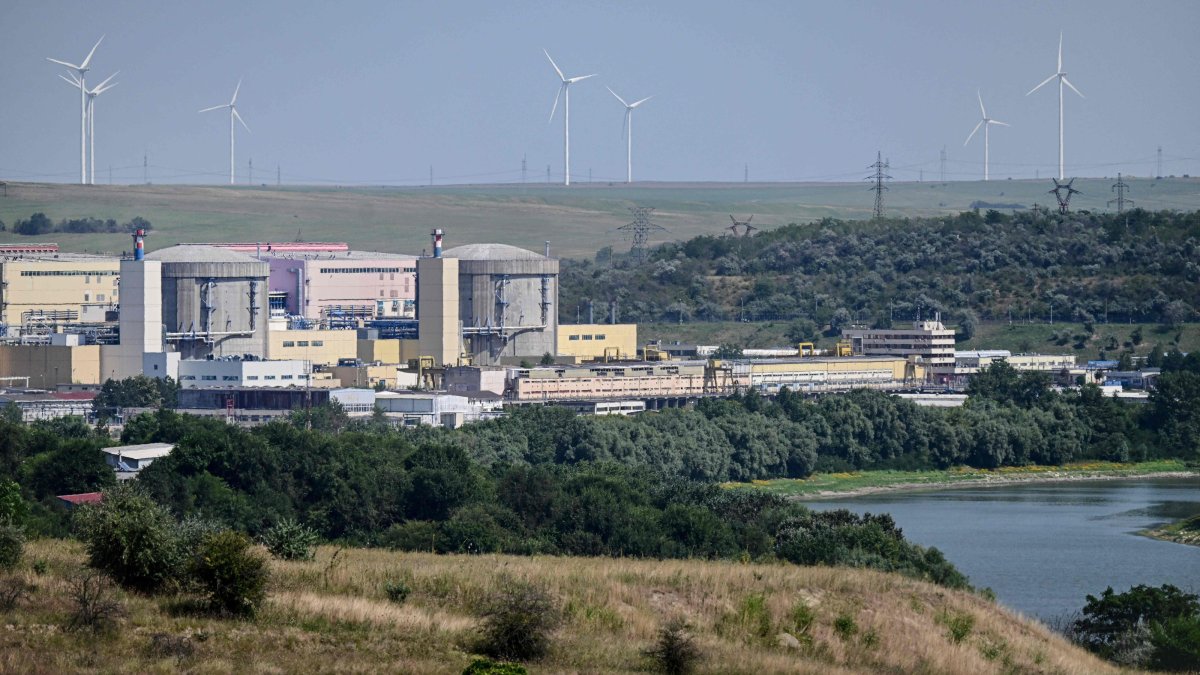
The sun-lit plots of silicone and glass will join a slew of projects that have rendered the Romanian economy unrecognisable from its polluted state when communism ended. They include an onshore windfarm near the Black Sea that for several years was Europe’s biggest, a nuclear power plant by the Danube whose lifetime is being extended by 30 years, and a fast-spreading patchwork of solar panels topping homes and shops across the country.
“The trend is irreversible,” said Liviu Gavrila, vice-president of the Romanian Wind Energy Association and manager at Enery, which is building the solar farm. “But we need to play it smart.”