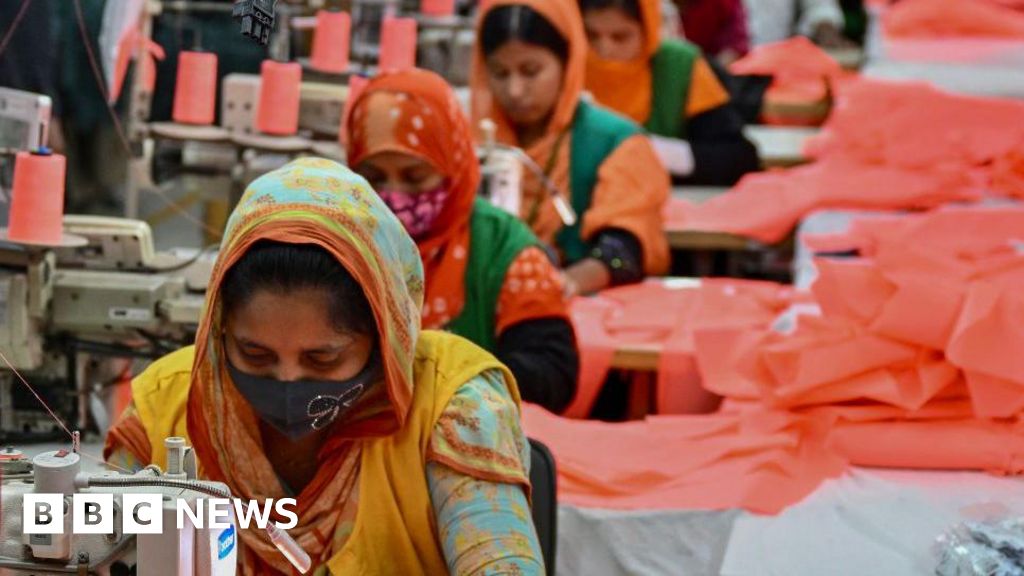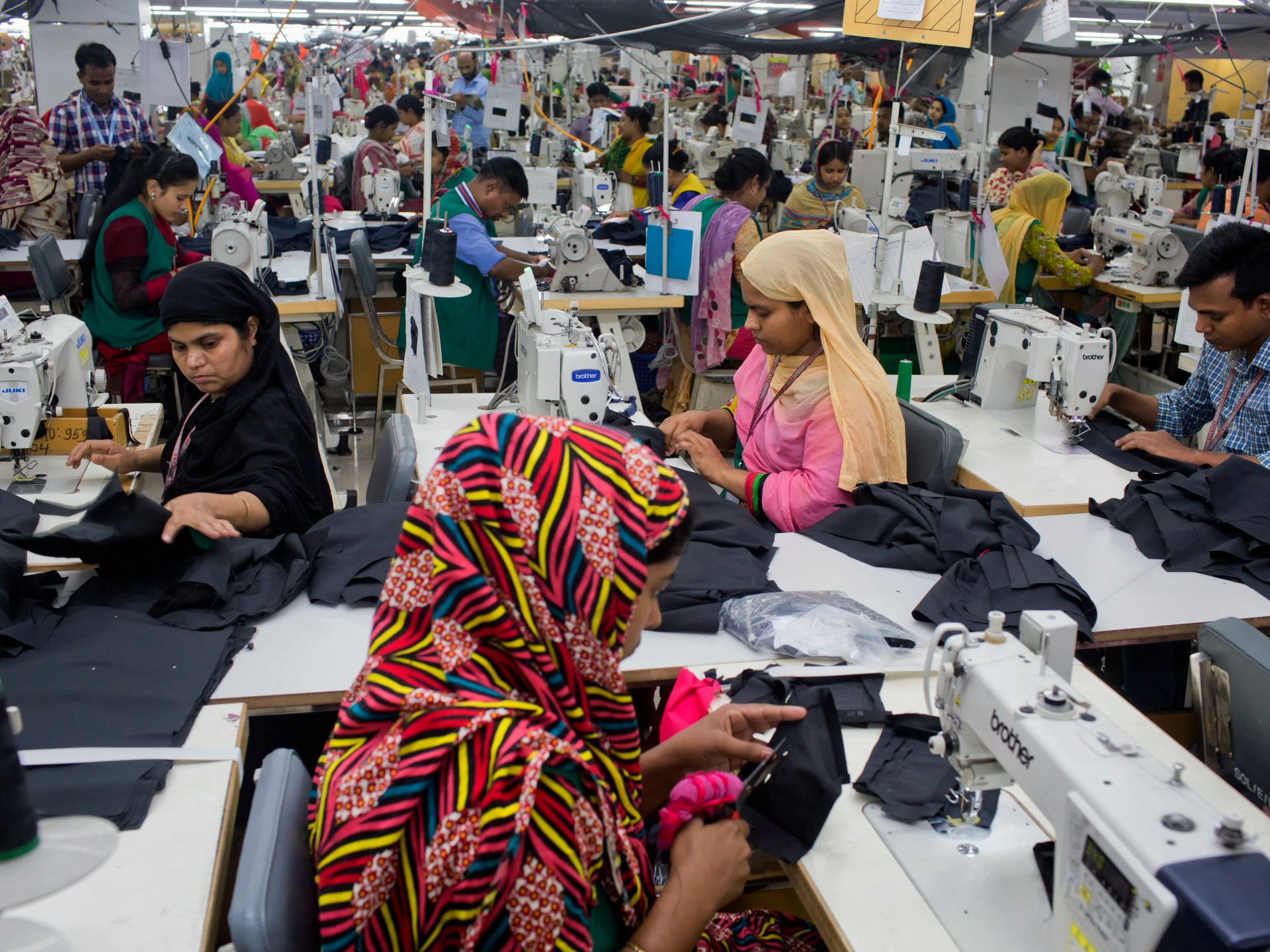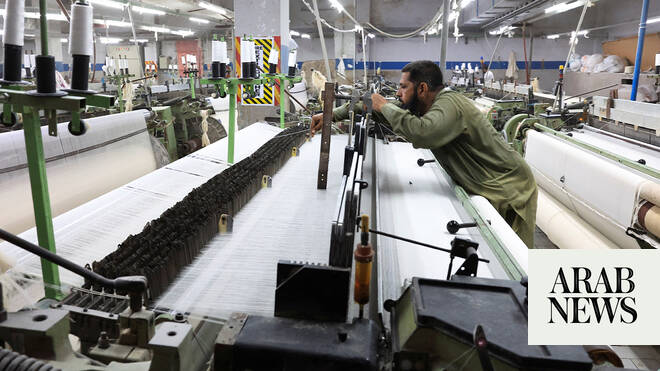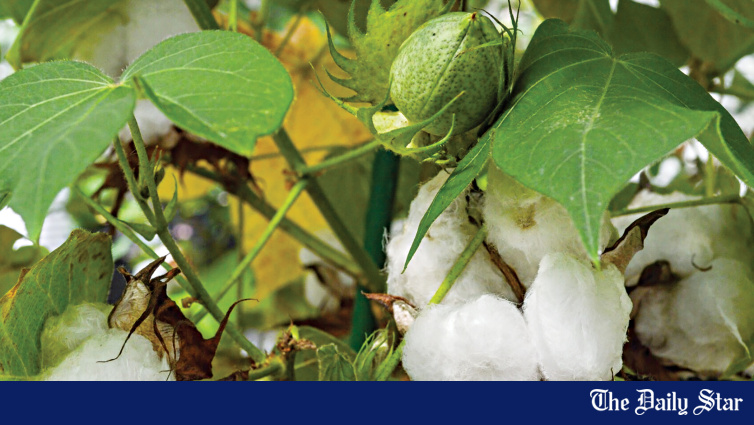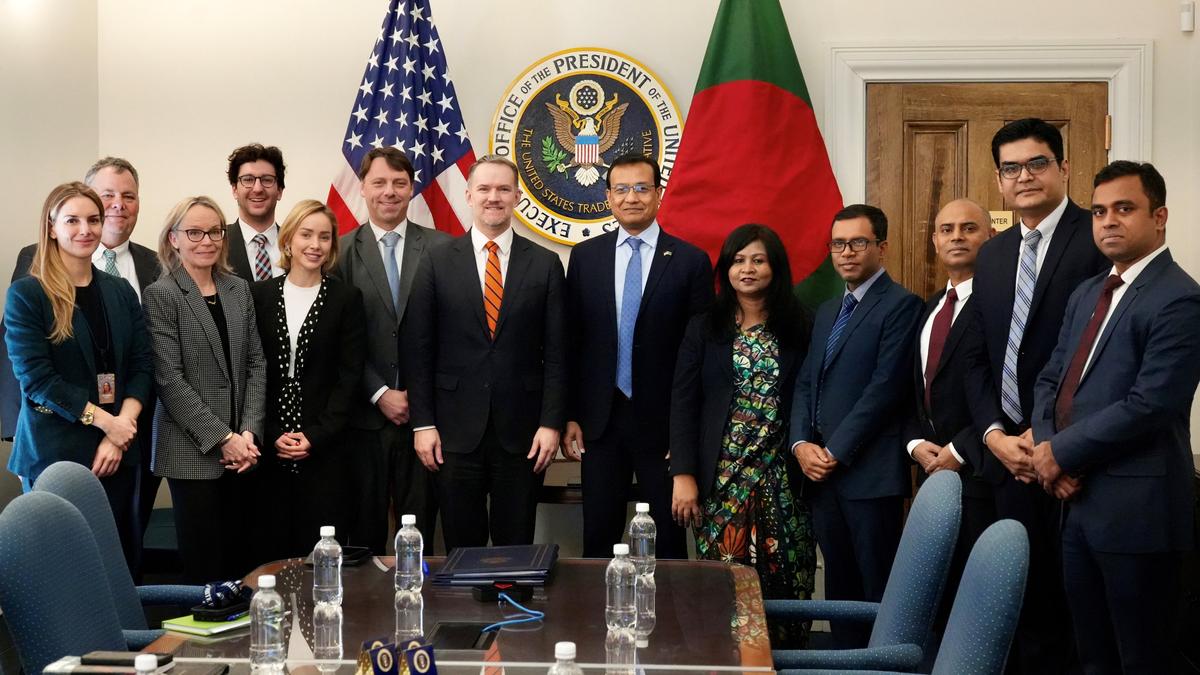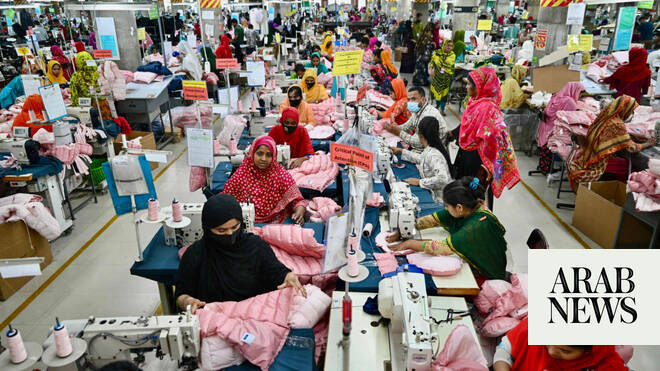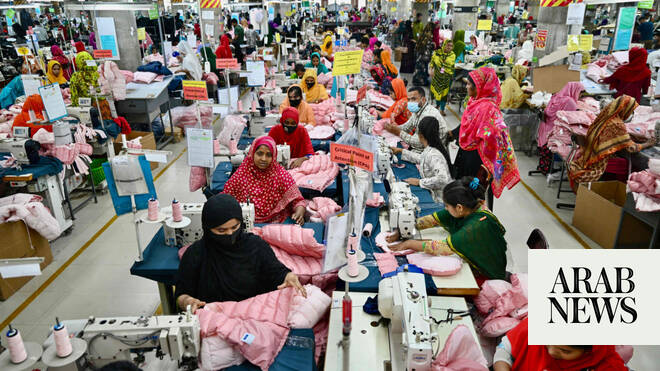
Bangladesh will replace Indian cotton with U.S.-produced cotton as a result of the U.S.-Bangladesh trade deal that was inked on Monday (February 9, 2026), said a spokesperson for the interim government in Dhaka. Speaking to The Hindu exclusively, Shafiqul Alam, information adviser to Chief Adviser Mohammed Yunus, said the trade deal is a “game changer” that can provide Bangladesh with greater access to the U.S. market. Leading economist Professor Selim Jehan of BRAC University in Dhaka said the deal has made Bangladesh’s cotton market “attractive” for the U.S. but cautioned that Bangladesh should ensure that the U.S. cotton is of high quality.
U.S.-Bangladesh trade agreement a cause of concern for Indian apparel exporters
“We have got a tariff rate of 19% in the new trade deal with the U.S., which is good compared to our rivals like Cambodia and Indonesia but a clause in the deal has given us greater advantage as the U.S. has agreed to reduce tariff to zero if our textile producers switch to U.S. cotton or manmade fibre,” said Mr. Alam, describing the trade deal as a “big boost” for Bangladesh’s textile sector.
Mr. Alam said that Bangladesh traditionally imports cotton from India and Central Asia as it does not produce the cotton or yarns necessary for its large textile sector. However, this shortcoming has also helped it negotiate with the U.S. more freely as Bangladesh does not have any cotton farmer lobby that could have pressured the government. Cotton and cotton yarn supplies from India and export of Bangladesh’s textile products to India came to the spotlight in April-May 2025 when both sides imposed tit-for-tat restrictions on the movement of the items. Bangladesh restricted import of yarn from India through its land ports through an order dated April 13, 2025.