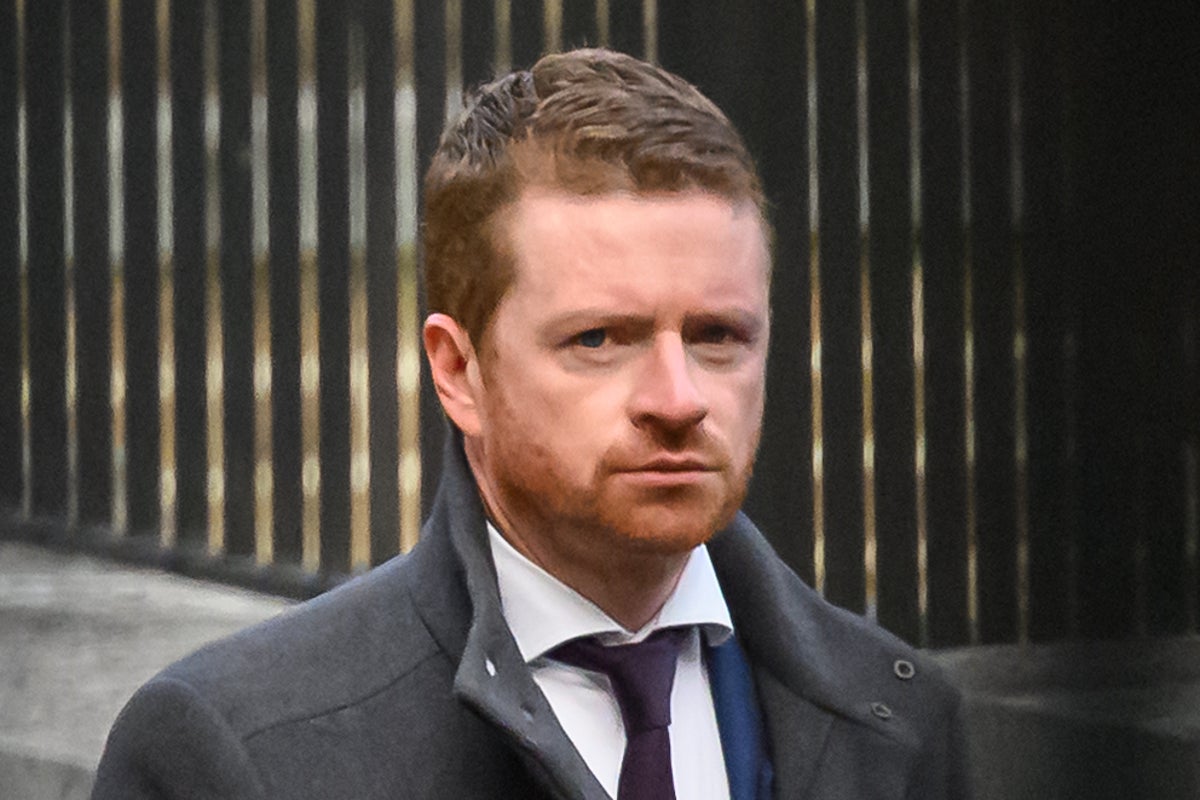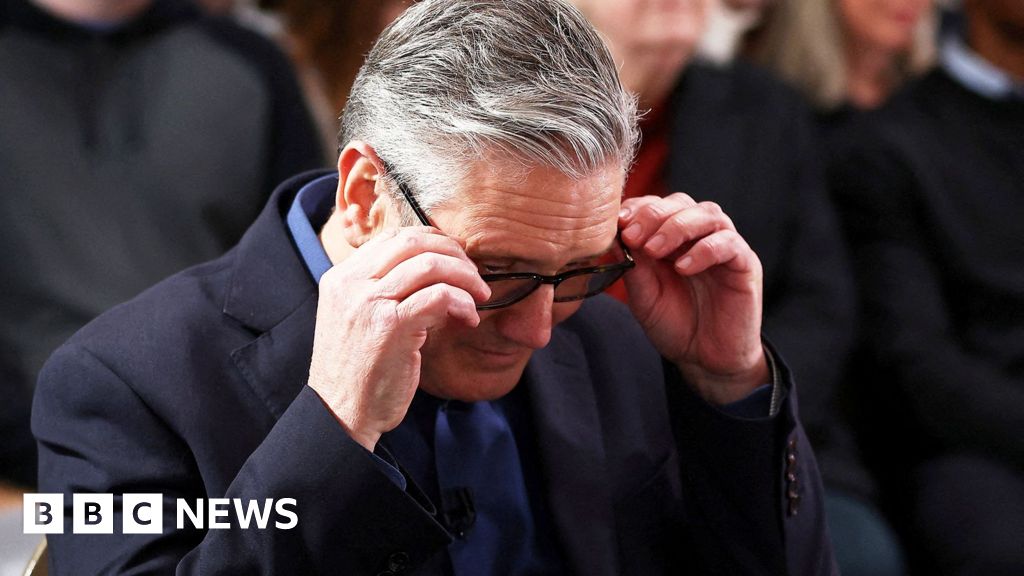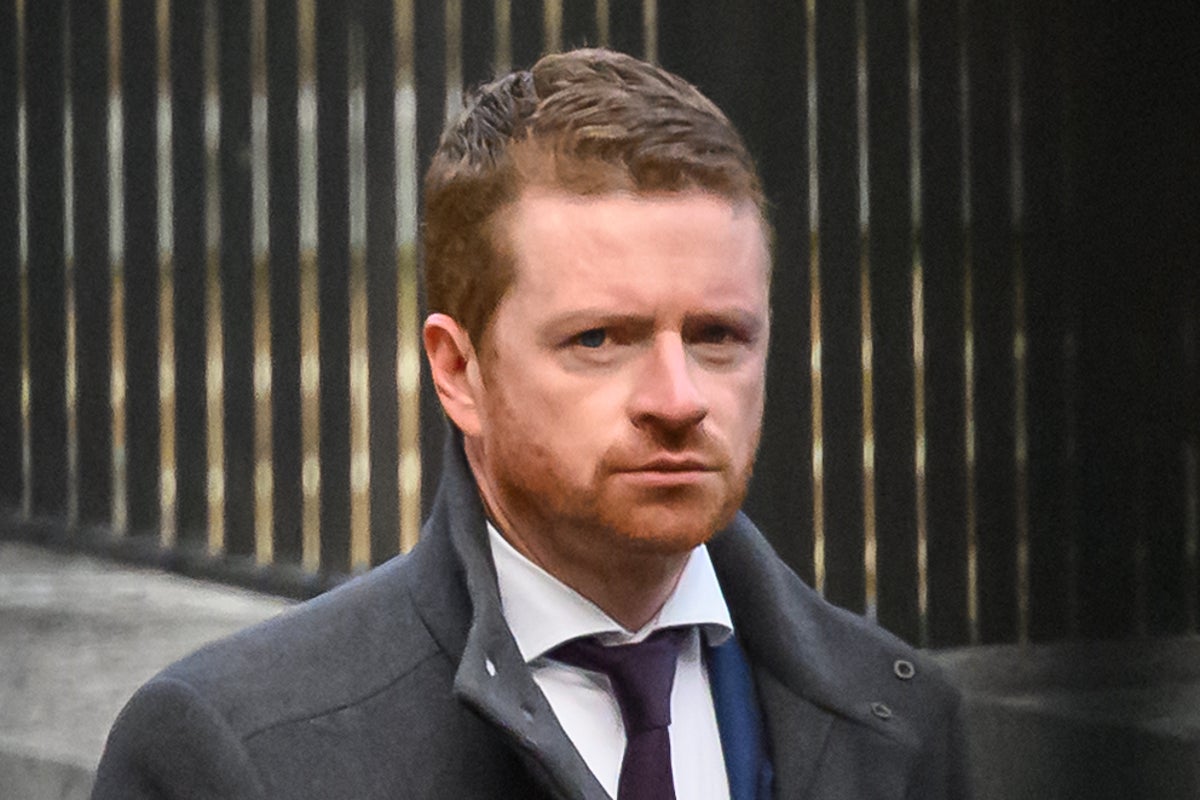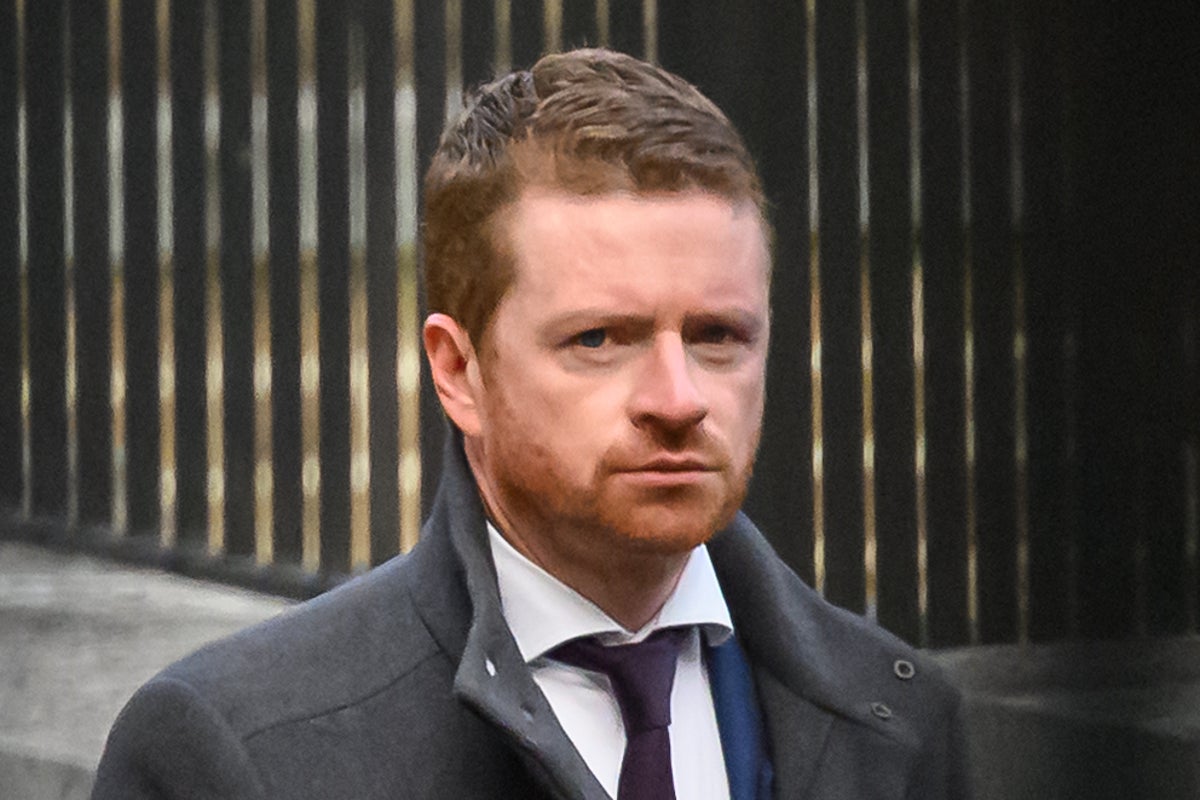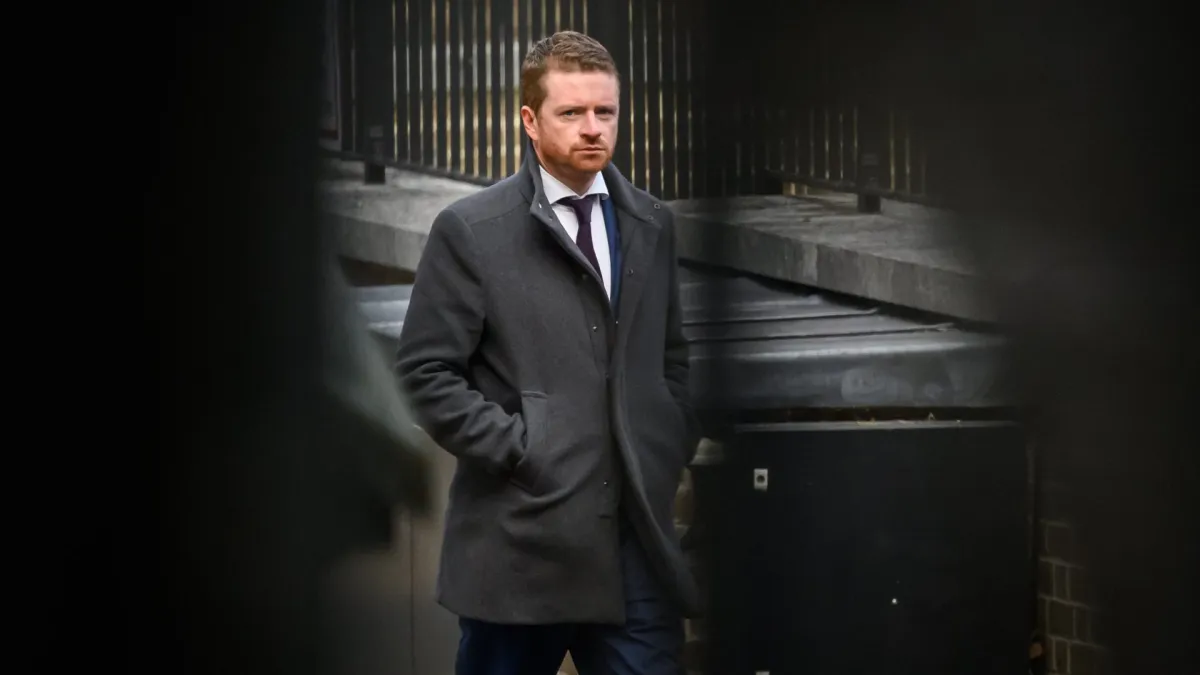
The departure of the prime minister’s chief of staff signals the demise of the political project which put him in No 10. All bets are off now.
T
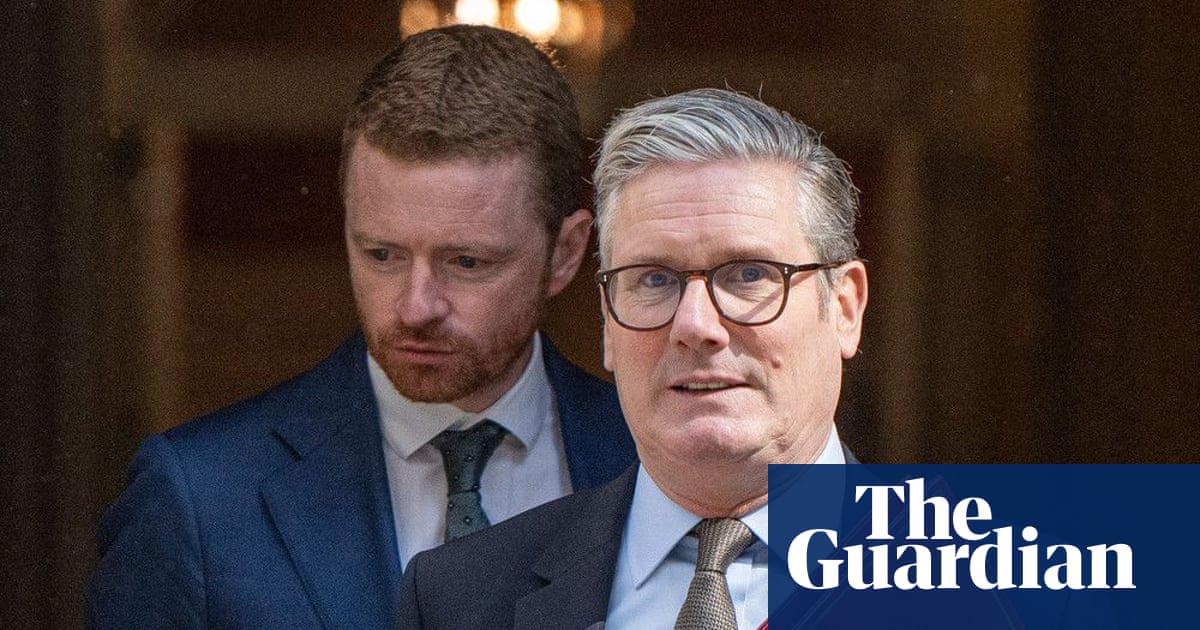
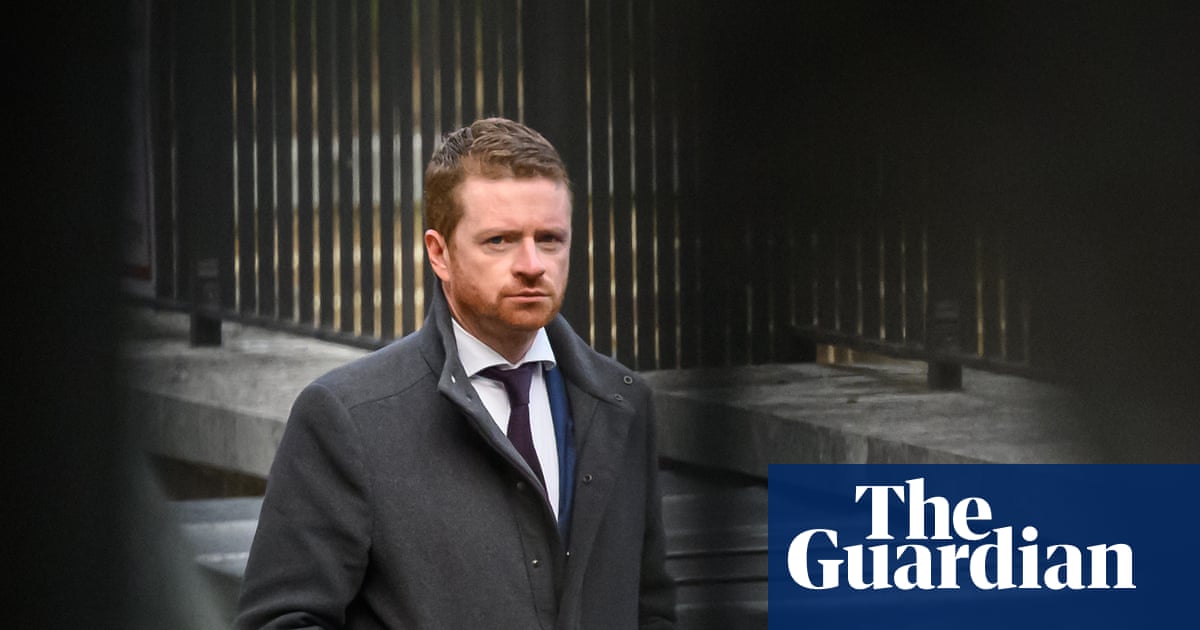
he Labour party spent 14 years in the wilderness, following the general election of 2010. It has taken only 18 months for the political project with which it returned to power to implode. The resignation of Morgan McSweeney, Sir Keir Starmer’s chief of staff and the man credited with orchestrating his path to Downing Street, has left the prime minister isolated, rudderless and at the mercy of events he is in no position to control.
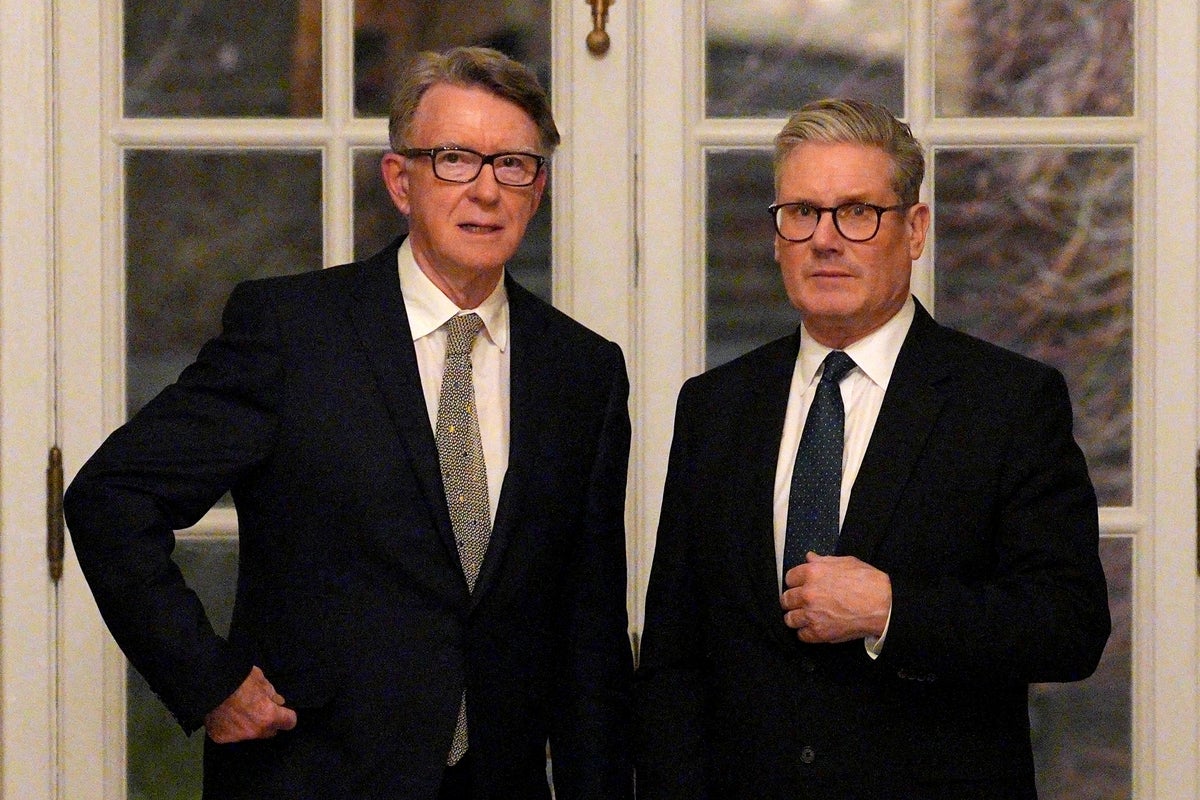
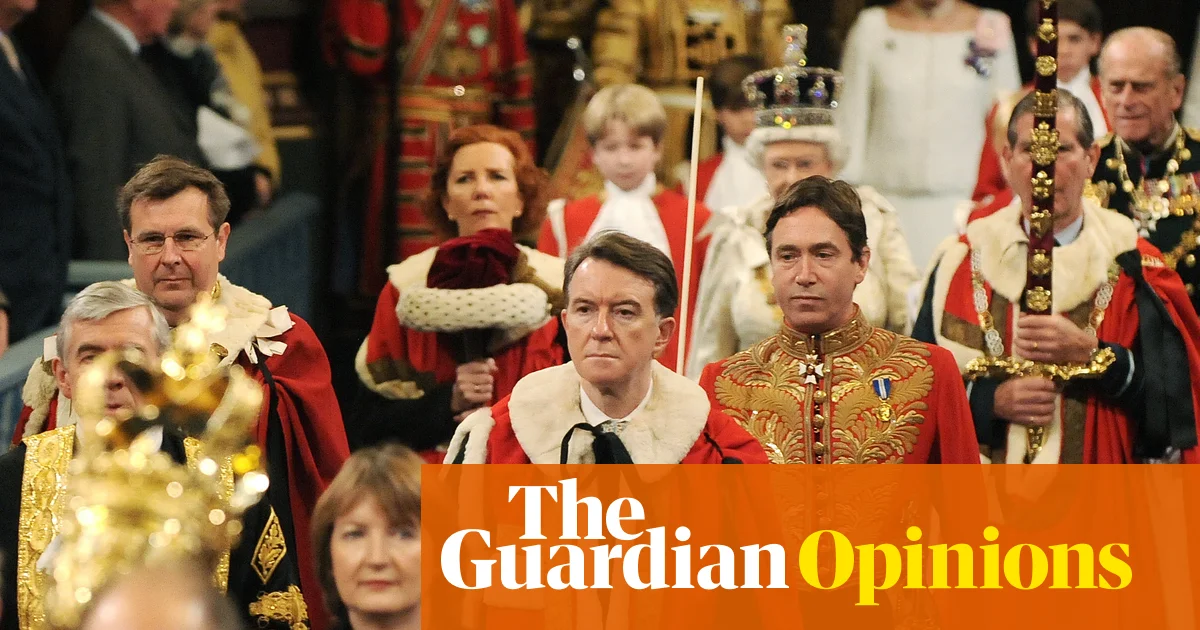
Mr McSweeney fell on his sword after taking responsibility for backing the appointment of Lord Mandelson as US ambassador, despite what was known about the peer’s friendship with Jeffrey Epstein. The hope, clearly, was that his departure will give the prime minister the breathing space to reset yet again. Monday’s call for Sir Keir’s own resignation by Anas Sarwar, Labour’s leader in Scotland, soon dispelled that illusion, although it also provoked a show of loyalty from cabinet colleagues.
What now? The prime minister has indicated that he will move to strengthen vetting processes and toughen up rules on lobbying, following revelations that Epstein used Lord Mandelson as a conduit for influence and inside information. Such reforms are overdue, as Gordon Brown has long argued. But the significance of Mr McSweeney’s exit – followed on Monday by the resignation of Sir Keir’s fourth Downing Street communications director, Tim Allan – goes deeper than the Mandelson scandal, appalling as that has been.