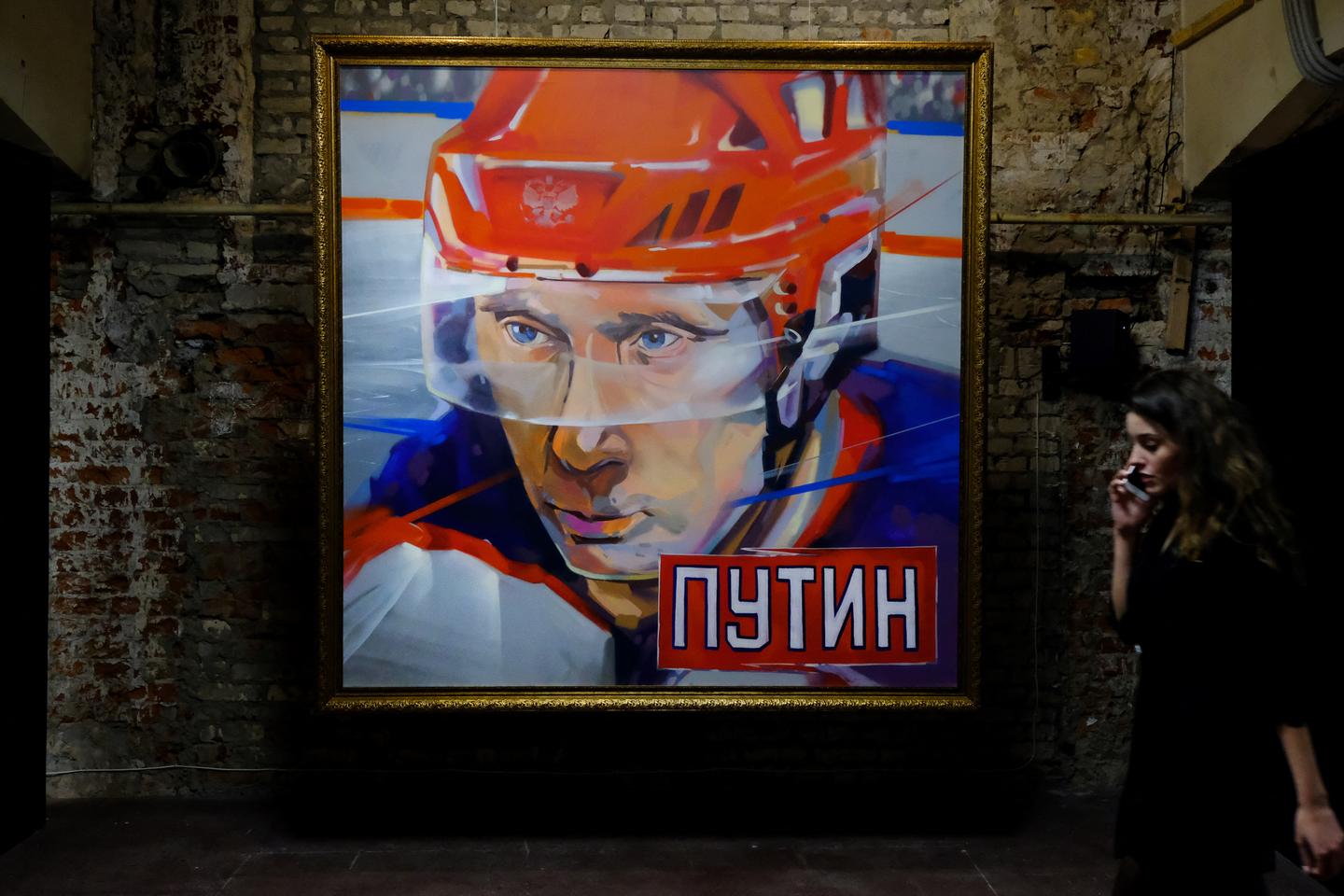
Painting depicting the Russian president, exhibited at the 'Super Poutine' show at the Museum of Ultramodern Art in Moscow in 2017. YURI KADOBNOV/AFP
A doctor of Slavic studies and research director at the Institute for International and Strategic Relations (IRIS), Lukas Aubin is the author of La Sportokratura sous Vladimir Poutine. Une géopolitique du sport russe ("The Sportocracy under Vladimir Putin: A Geopolitics of Russian Sport ) and Géopolitique de la Russie ("Geopolitics of Russia"). He recently published Les Etats fantômes. Palestine, Transnistrie, Taïwan, Liberland... Ces territoires non reconnus qui bousculent l'ordre mondial ("Phantom States: Palestine, Transnistria, Taiwan, Liberland... These Unrecognized Territories That Disrupt the World Order").
The International Olympic Committee (IOC) confirmed the participation of 13 Russian athletes in the Winter Games, which opened on Friday, January 6, in Milan. Is this a victory for Moscow?
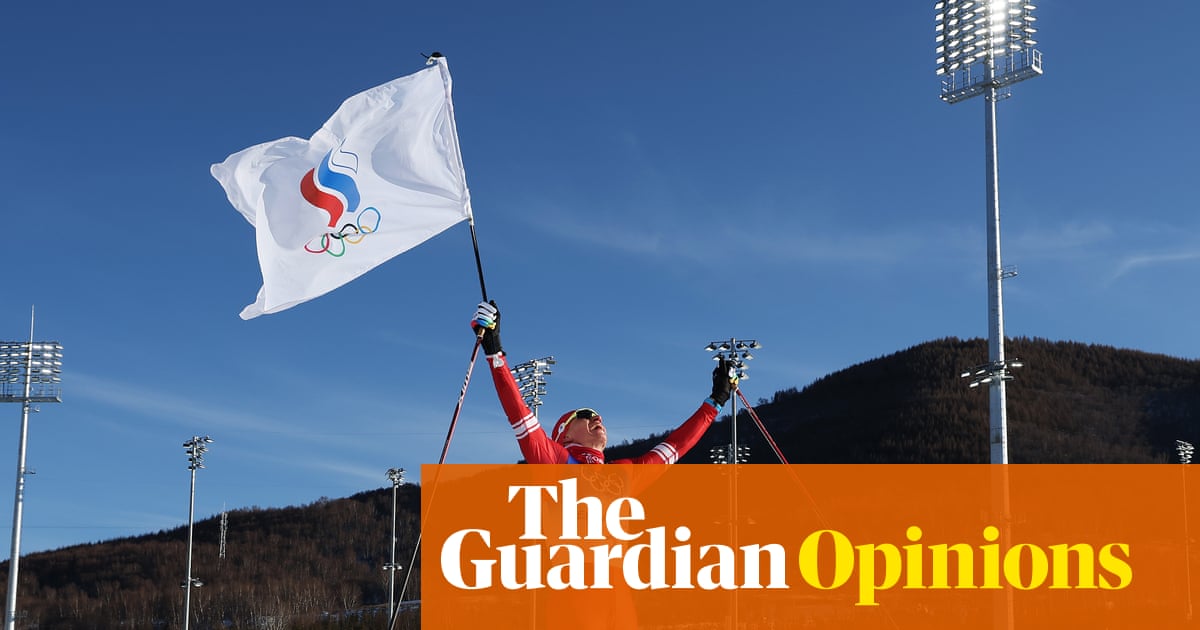
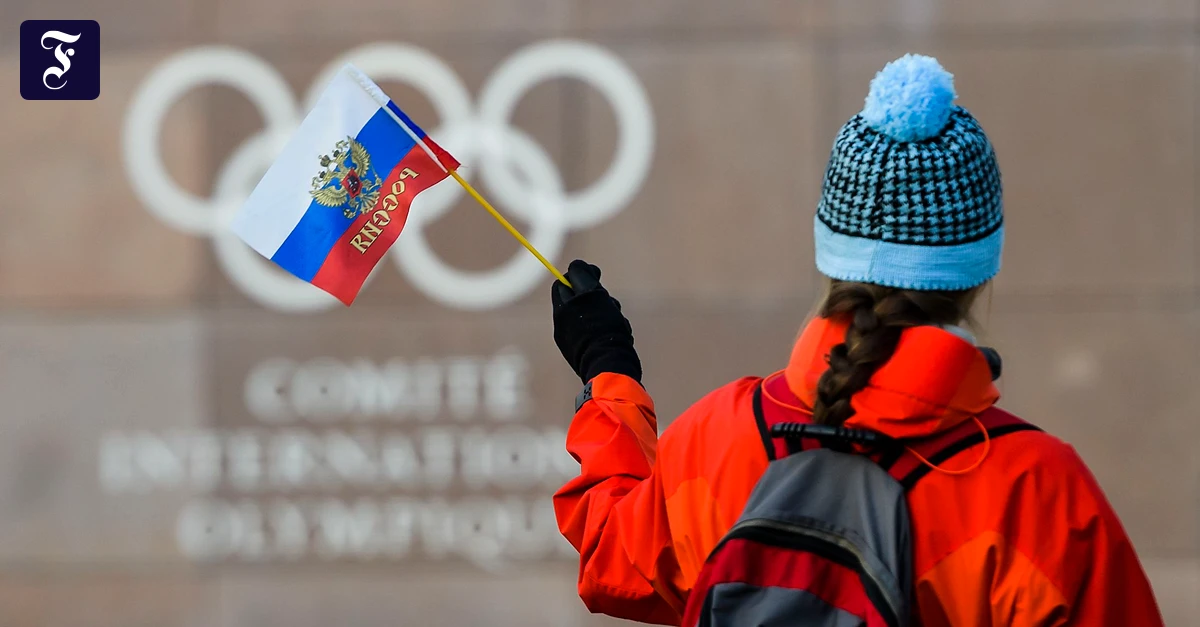
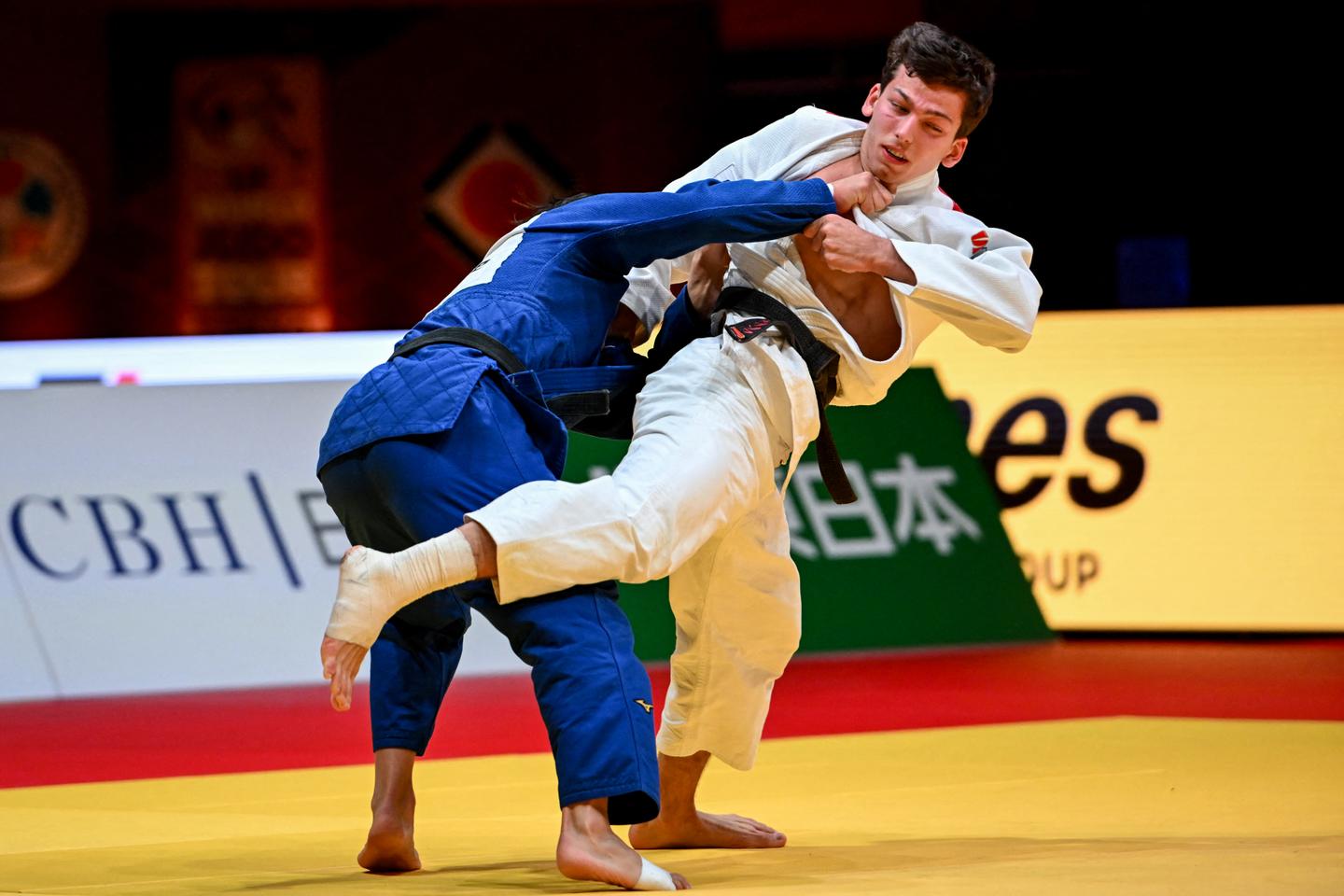
While this is the lowest number of Russian athletes at the Olympic Games in more than a century, it nonetheless marks a step toward Russia's reintegration into world sport. Admittedly, these 13 athletes have to compete under a neutral flag. Yet, one must take a broader view. The Paralympic Committee has already announced its intention to reintegrate Russia, allowing the use of its flag and anthem. The International Judo Federation did likewise, at the end of 2025. This is a significant turning point. These competitions are serving as a testing ground for Russia's gradual return, after its exclusion began following the 2014 Winter Games, which it hosted in Sochi, and the revelations of state-sponsored doping. International sports institutions hesitated, then in December 2020 decided to exclude the country from competitions for two years. They made the exclusion indefinite three days after Russia invaded Ukraine, on February 24, 2022.