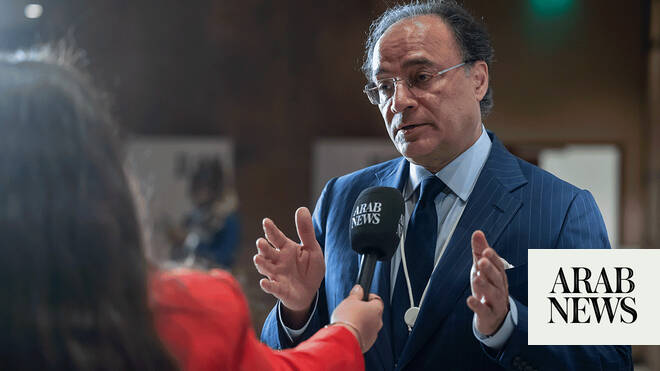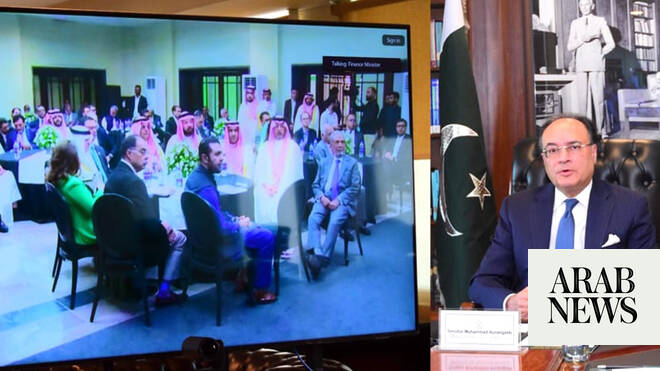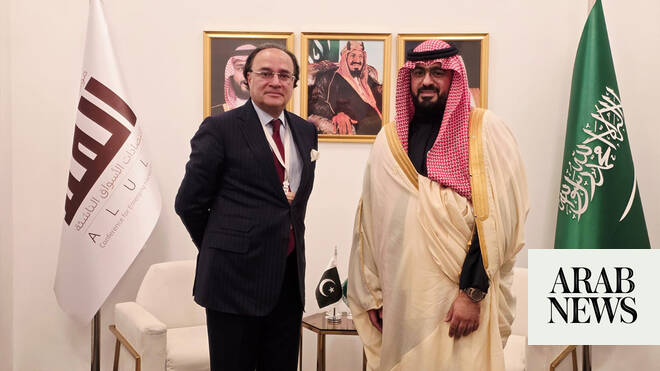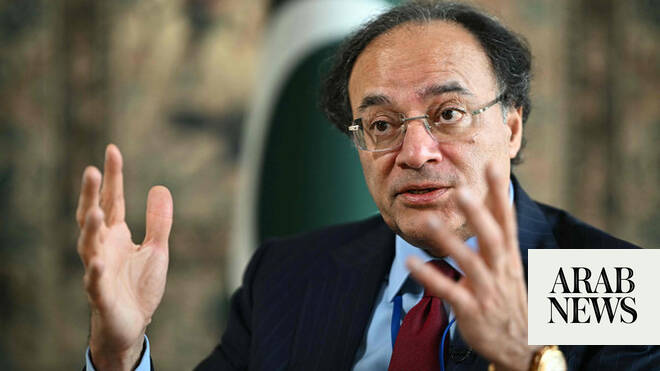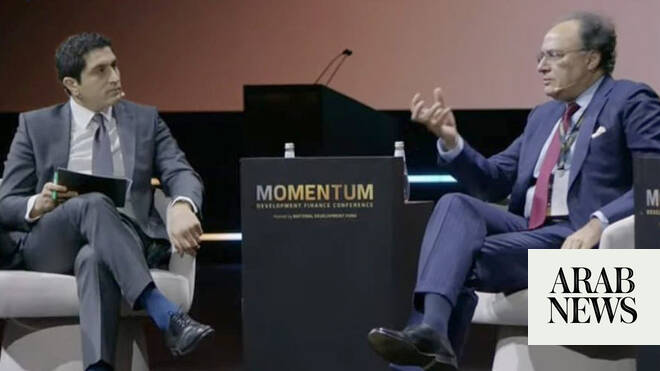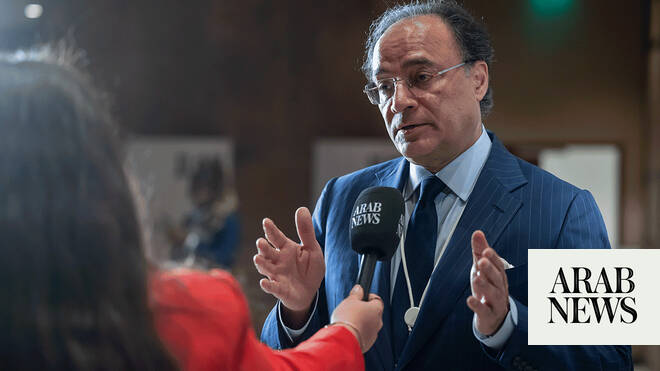
KARACHI: Finance Minister Muhammad Aurangzeb on Monday highlighted Pakistan’s recent fiscal progress, ongoing reforms and strategy to build buffers while sustaining growth at the AlUla Conference for Emerging Market Economies, underscoring the importance of institutional strengthening in navigating economic and climate-related shocks.
The second edition of the annual AlUla conference was launched by the Saudi Arabia’s Ministry of Finance and the International Monetary Fund (IMF) on Sunday. The conference brings together economic decision-makers, finance ministers, central bank governors, leaders of international financial institutions and a select group of experts and specialists from around the world.
Pakistan, which nearly defaulted on its foreign debt obligations in 2023, is currently making efforts to stabilize its economy under a $7 billion International Monetary Fund (IMF) program. The program, agreed in Sept. 2024, accompanied reforms such as privatization of loss-making, state-owned enterprises (SOEs), tax regime overhaul and ending various subsidies for fiscal consolidation.
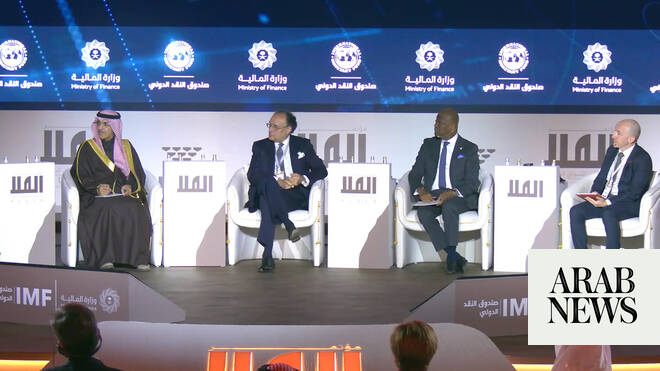
Attending a high-level panel discussion “Fiscal Policy in a Shock‑Prone World” on the 2nd day of the AlUla Conference, Aurangzeb shared Pakistan’s experience in managing structural constraints, strengthening revenue mobilization, reducing debt vulnerabilities, and responding to shocks while protecting priority development spending.