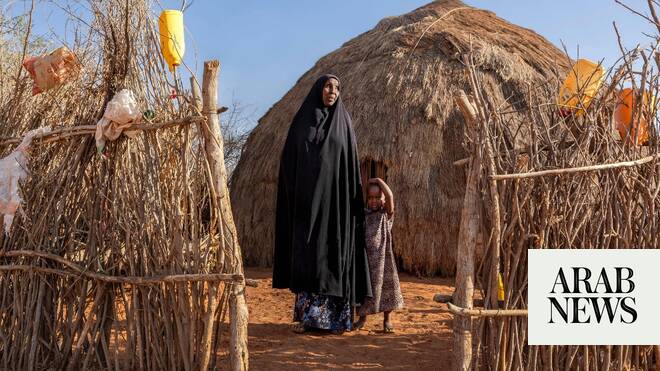
MANDERA: For nearly a year, repeated misdiagnoses of the deadly kala-azar disease left 60-year-old Harada Hussein Abdirahman’s health deteriorating, as an outbreak in Kenya’s arid regions claimed a record number of lives.
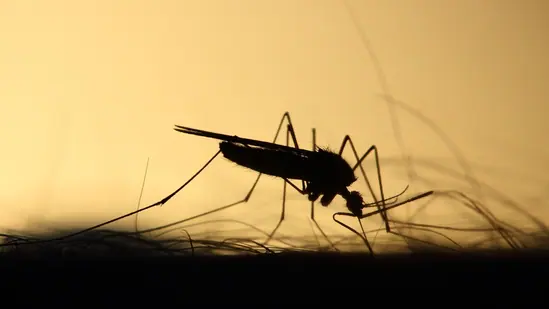
Kala-azar is spread by sandflies and is one of the most dangerous neglected tropical diseases, with a fatality rate of 95 percent if untreated, causing fever, weight loss, and enlargement of the spleen and liver.
Cases of kala-azar, also known as visceral leishmaniasis, have spiked in Kenya, from 1,575 in 2024 to 3,577 in 2025, according to the health ministry.
It is spreading to previously untouched regions and becoming endemic, driven by changing climatic conditions and expanding human settlements, say health officials, with millions potentially at risk of infection.
Abdirahman, a 60-year-old grandmother, was bitten while herding livestock in Mandera county in Kenya’s northeast, a hotspot for the parasite but with only three treatment facilities capable of treating the disease.