Study find nitazenes, which are up to 500 times stronger than heroin, can degrade significantly in portmortem blood samples
Deaths caused by a synthetic opioid that is hundreds of times stronger than heroin may have been underestimated by up to a third across the UK, according to research.
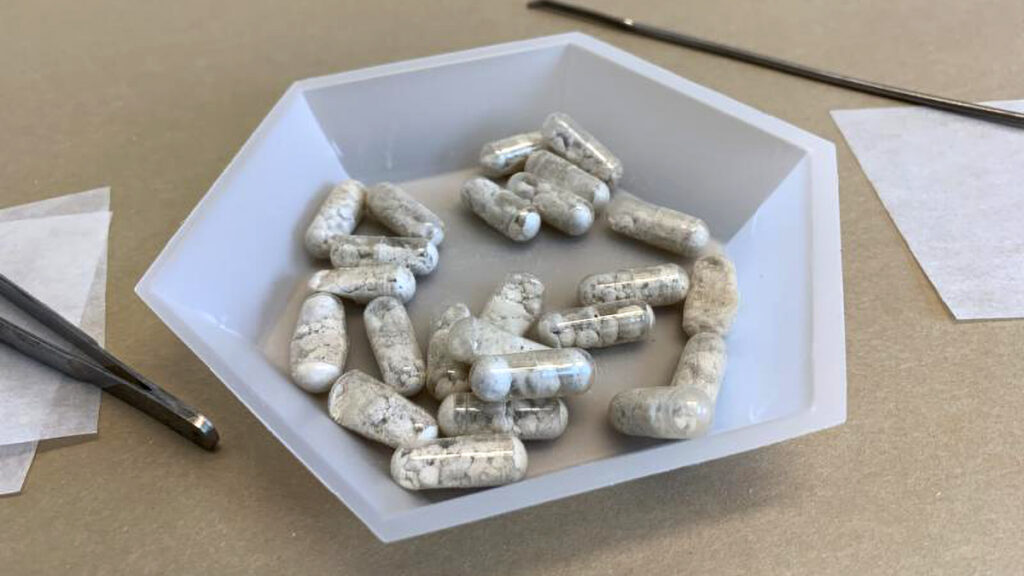
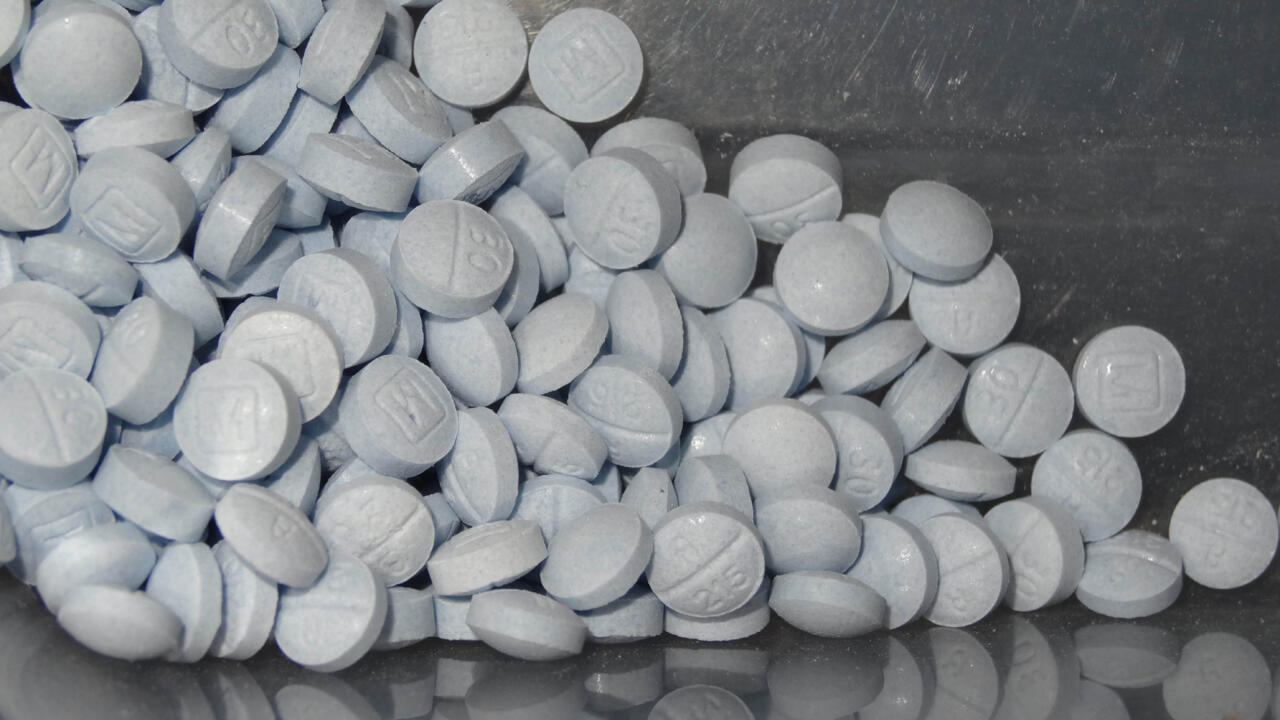
Nitazenes are a class of synthetic opioids that are extremely potent, and up to 500 times stronger than heroin. They were manufactured originally as a painkiller in the 1950s but their development was halted due to their extreme potencies resulting in a high risk of addiction.
In 2024, the National Crime Agency (NCA) reported that 333 fatalities across the UK were linked to the drug. However, researchers at King’s College London say that the true number of deaths may have been underreported, due to concerns that samples of the drug are likely being missed in postmortem toxicology tests.
The study involved researchers testing samples from rats that had been anaesthetised with the drug, and finding that on average only 14% of the nitazene present at the time of overdose was still present when tested under real-world pathology and toxicology sample-handling conditions.