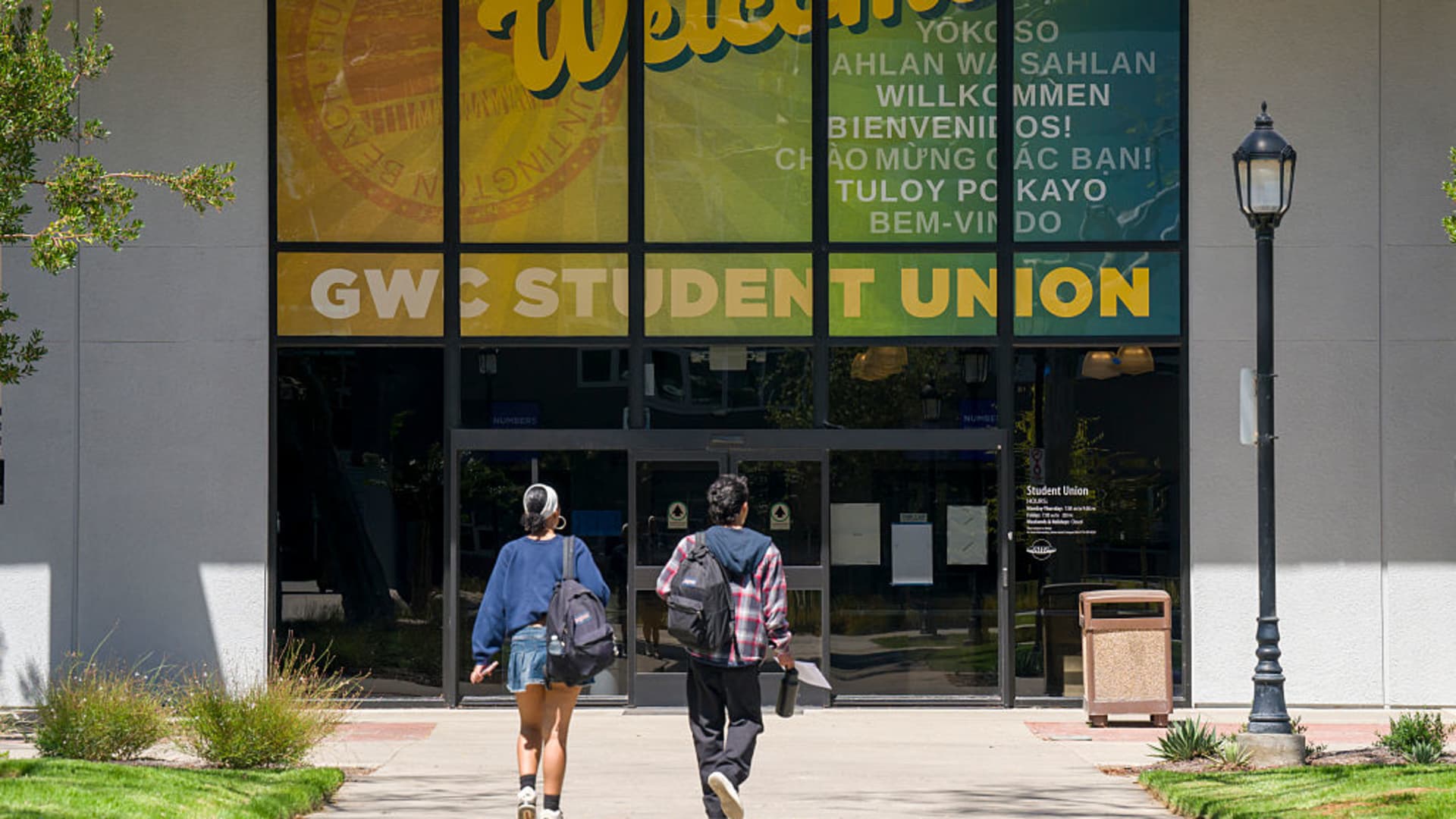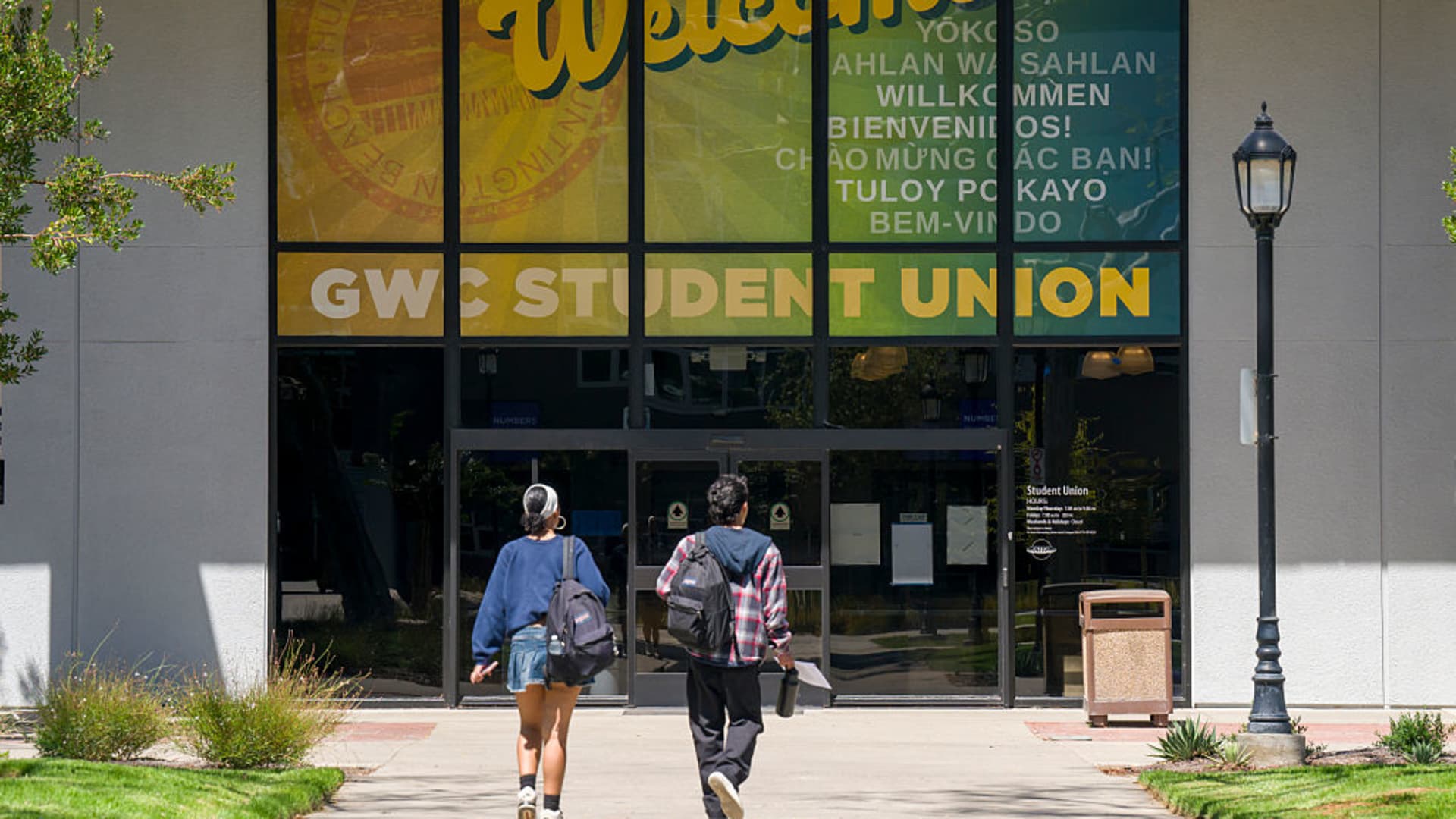
For years, a growing number of students have been considering alternatives to a four-year degree. Now the trend toward a two-year program or even shorter-term credential — also dubbed “un-college” — is gaining steam.
Ballooning college costs and the student loan debt that goes along with them are partly to blame. New borrowing limits for 2026 under President Donald Trump’s “big beautiful bill” are another factor. Plus, students are increasingly seeking job training and career-driven pathways to secure a foothold in today’s softening labor market.
The term “un-college” first emerged about a decade ago to describe the rise of college alternative programs. This year, the shift will be striking, experts say.
In the fall, community college enrollment rose 3% from the prior academic year, compared to a 1.4% increase at public four-year colleges, according to a recent report from the National Student Clearinghouse Research Center. Enrollment in private four-year nonprofit institutions fell by 1.6% over the same period.
“Overall enrollment is up slightly, but the real story is the shift between sectors,” Matthew Holsapple, senior director of research at the National Student Clearinghouse Research Center, said in a statement. “Community colleges and public universities are gaining ground, while private colleges are down — a clear departure from the broad-based growth of recent years.”