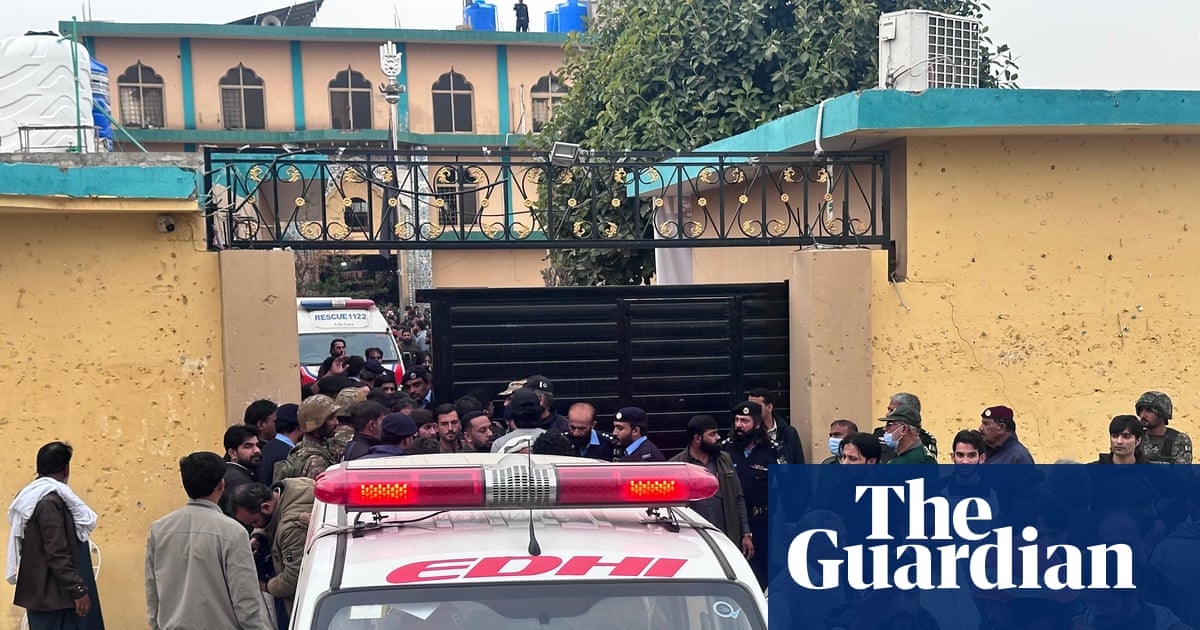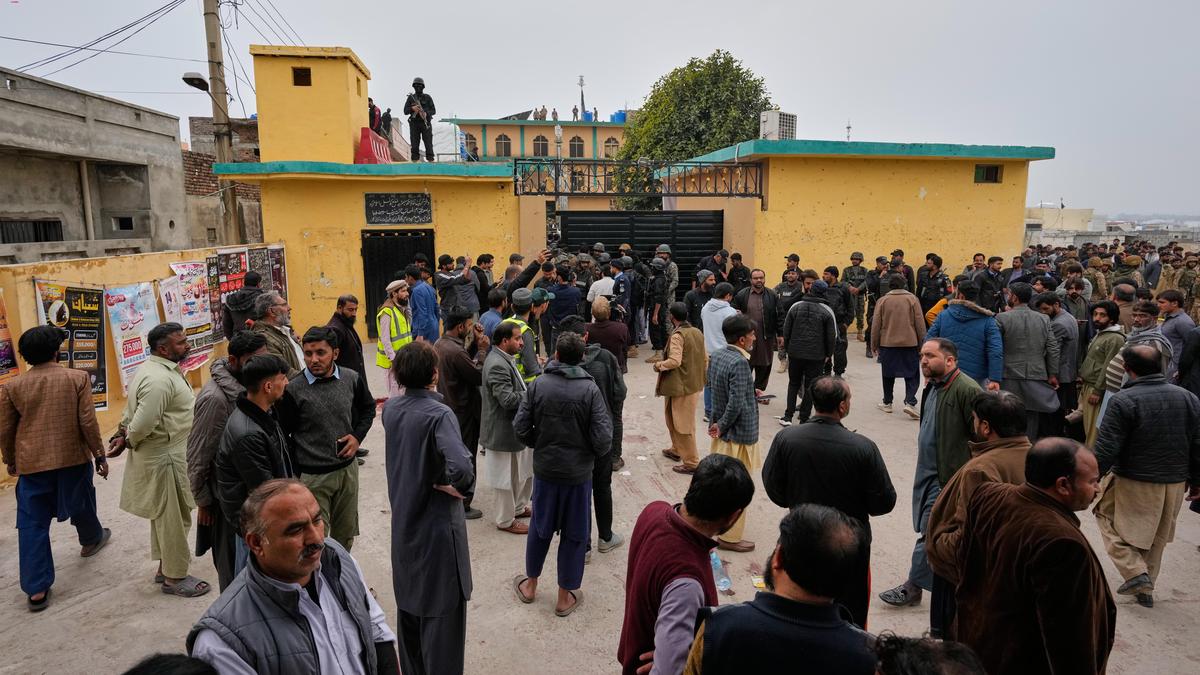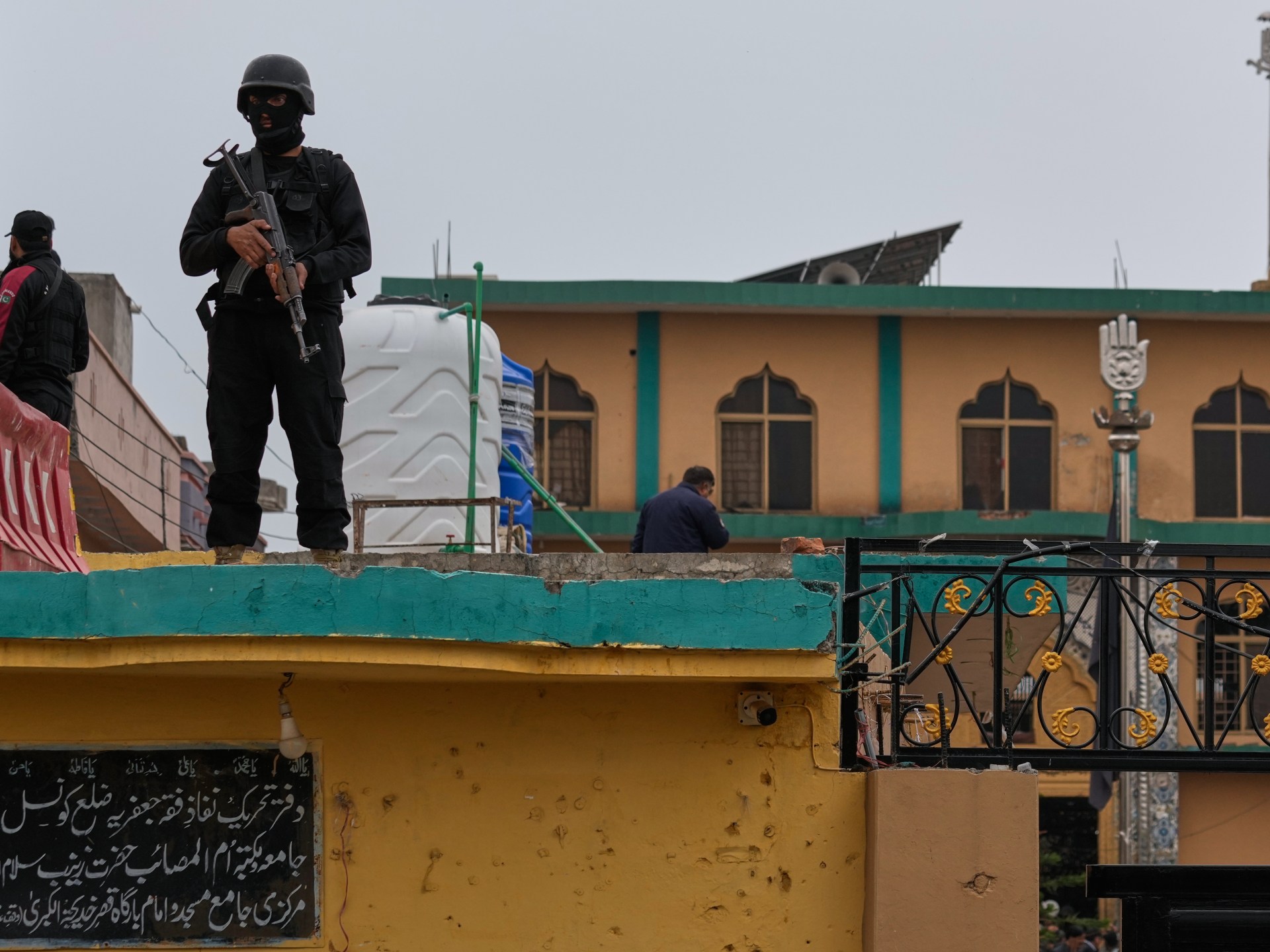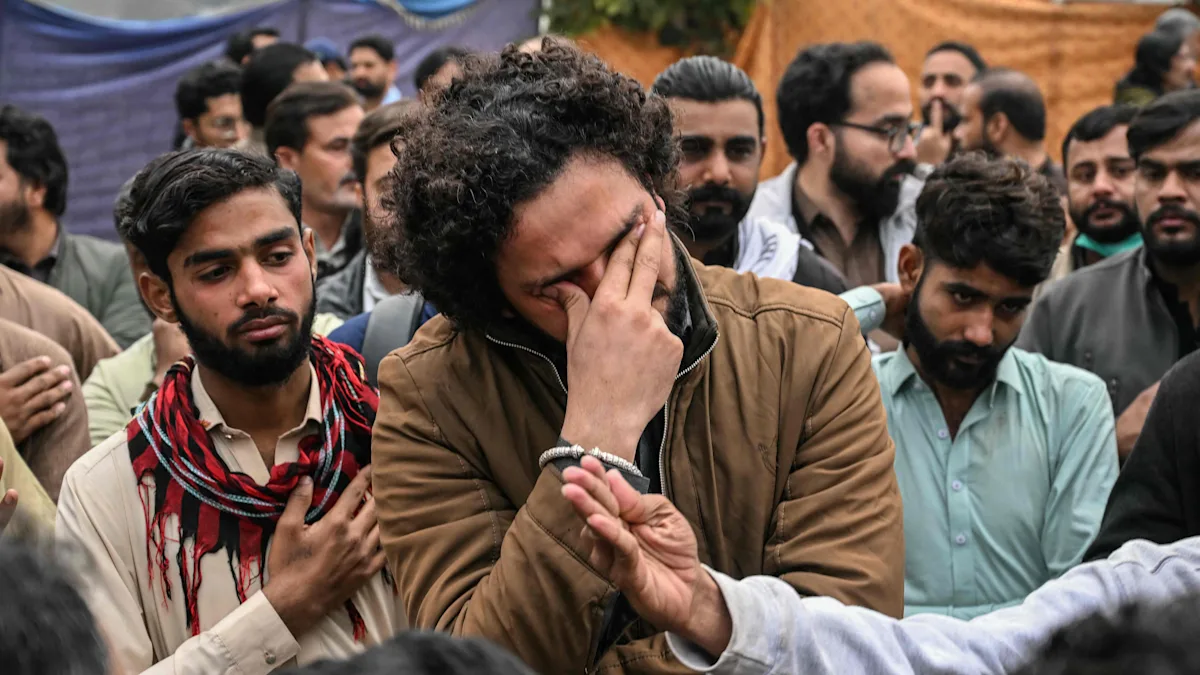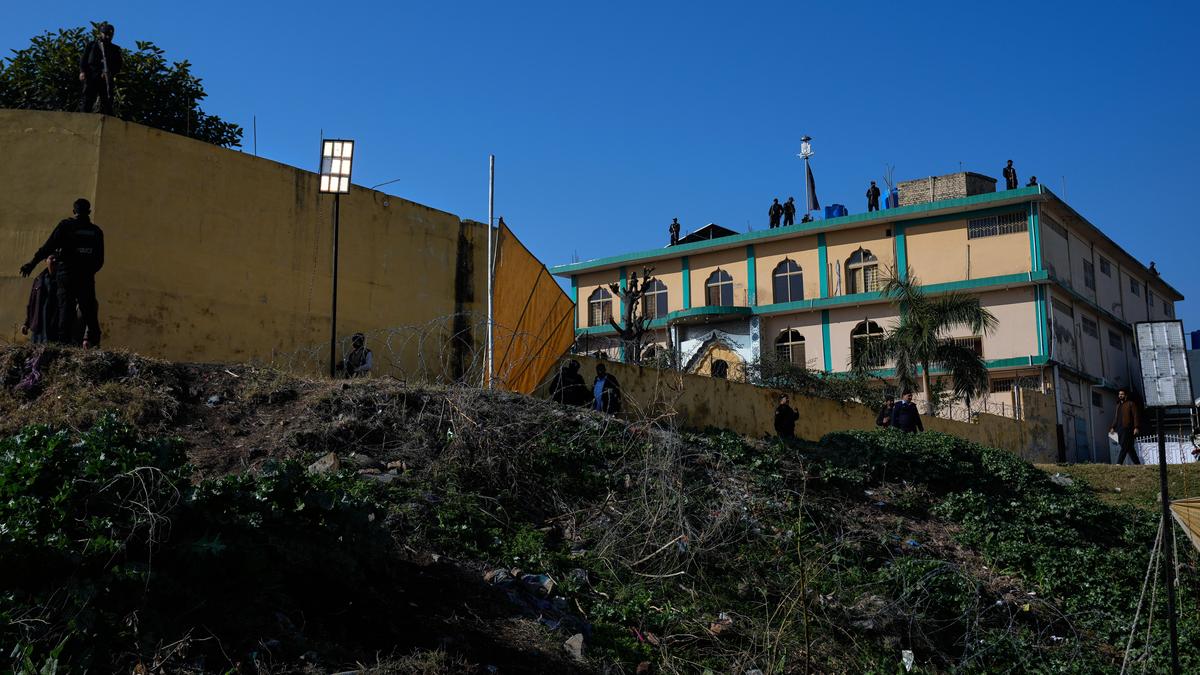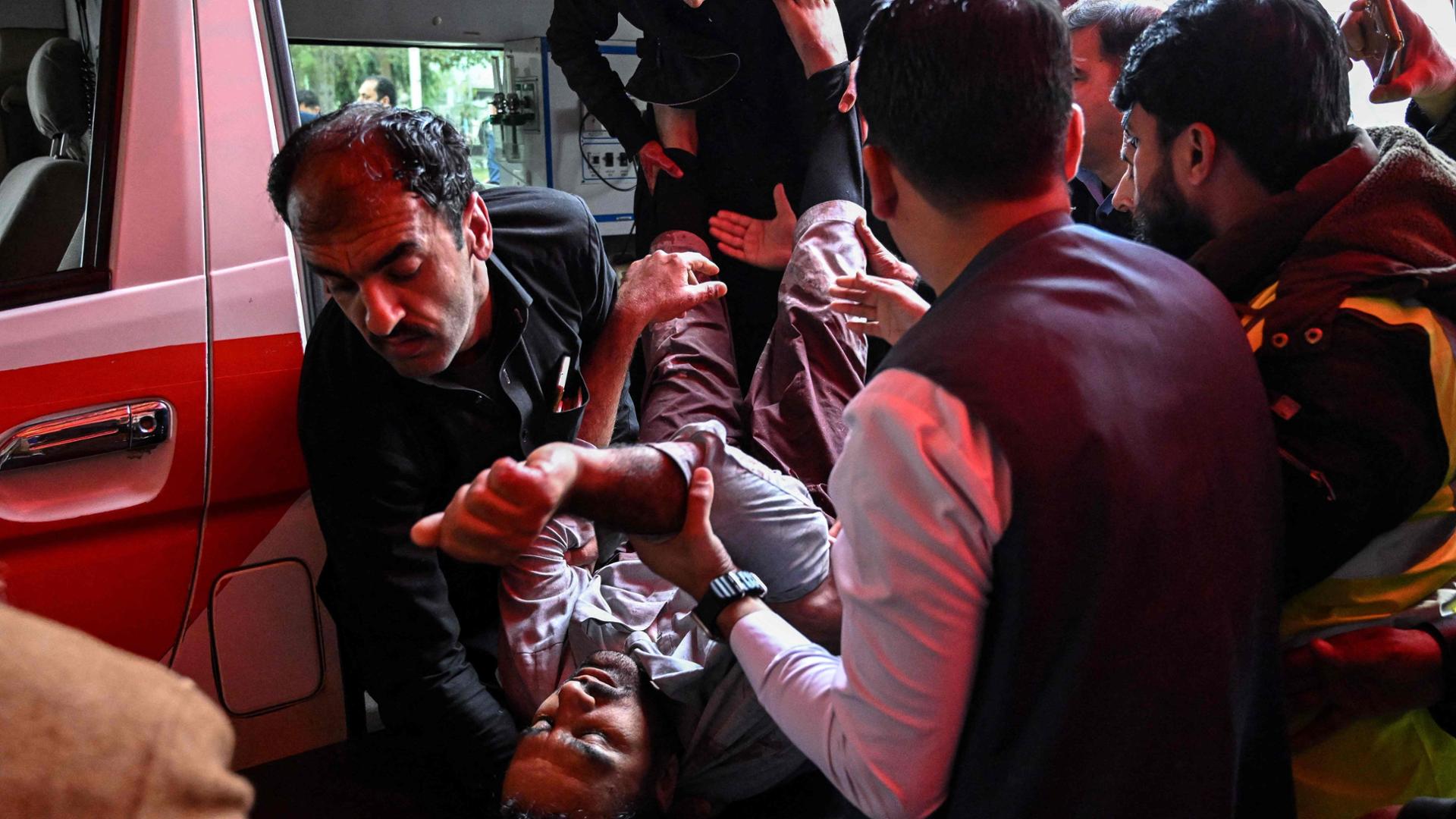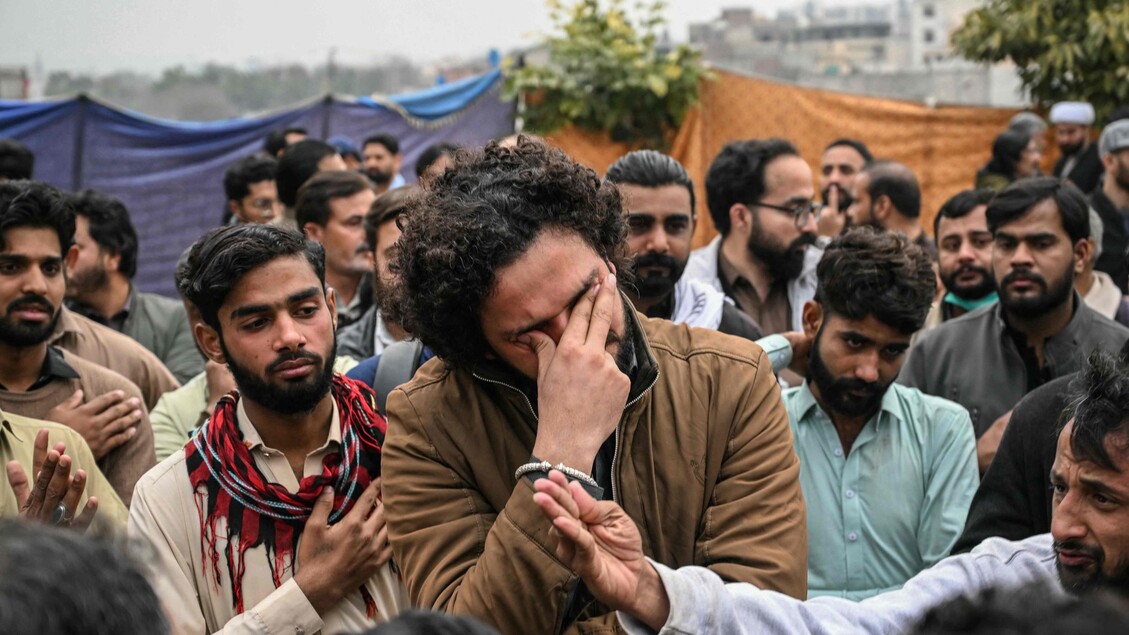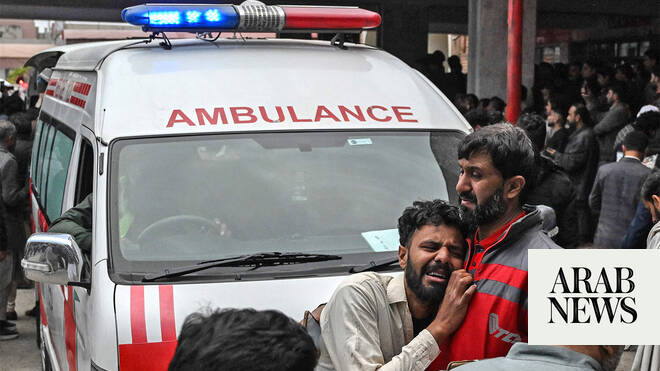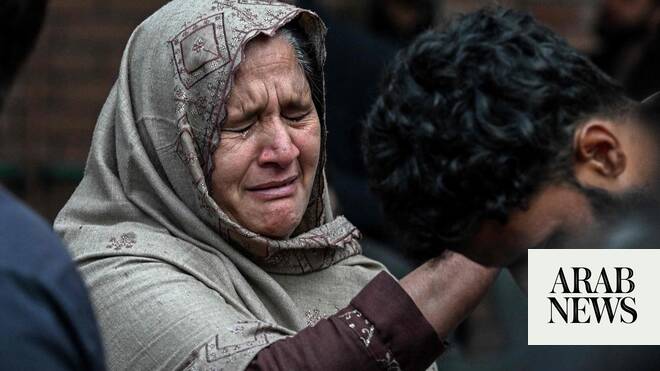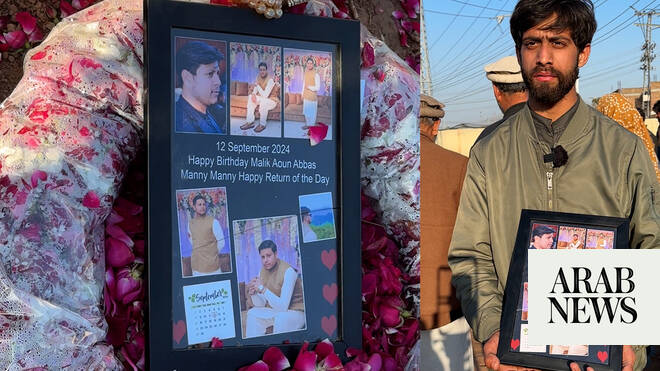
ISLAMABAD: Hamza Ali Naqvi was bowing with his hands on his knees during Friday prayers when the first shot rang out. The 21-year-old university student initially mistook the sharp crack for distant fireworks. Seconds later, a second shot, much louder and much closer, resounded through the Qasr-e-Khadijatul Kubra mosque.
“We were prostrating,” Naqvi recalled, his eyes still showing signs of fear as he described the moment the floor beneath him shook from the force of the blast. “I immediately got up, looked around and [saw that] chaos had broken out.”
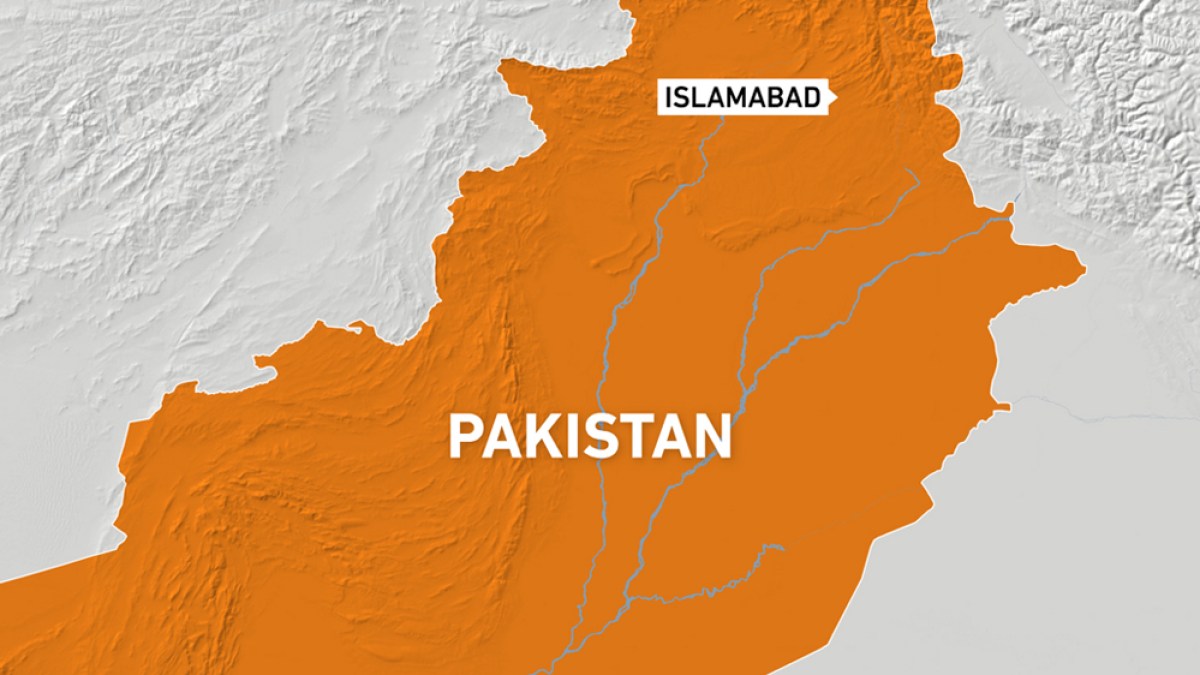
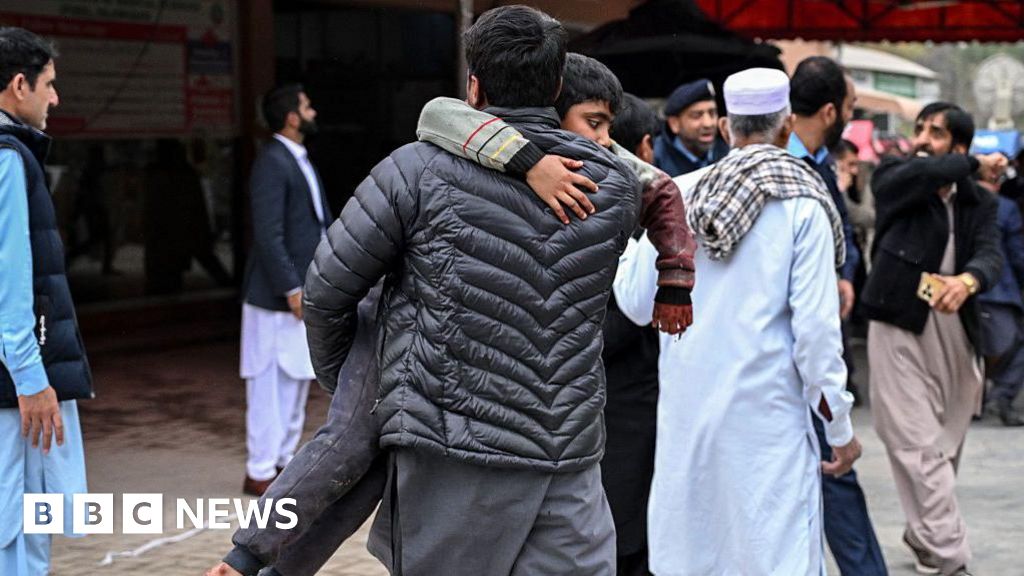
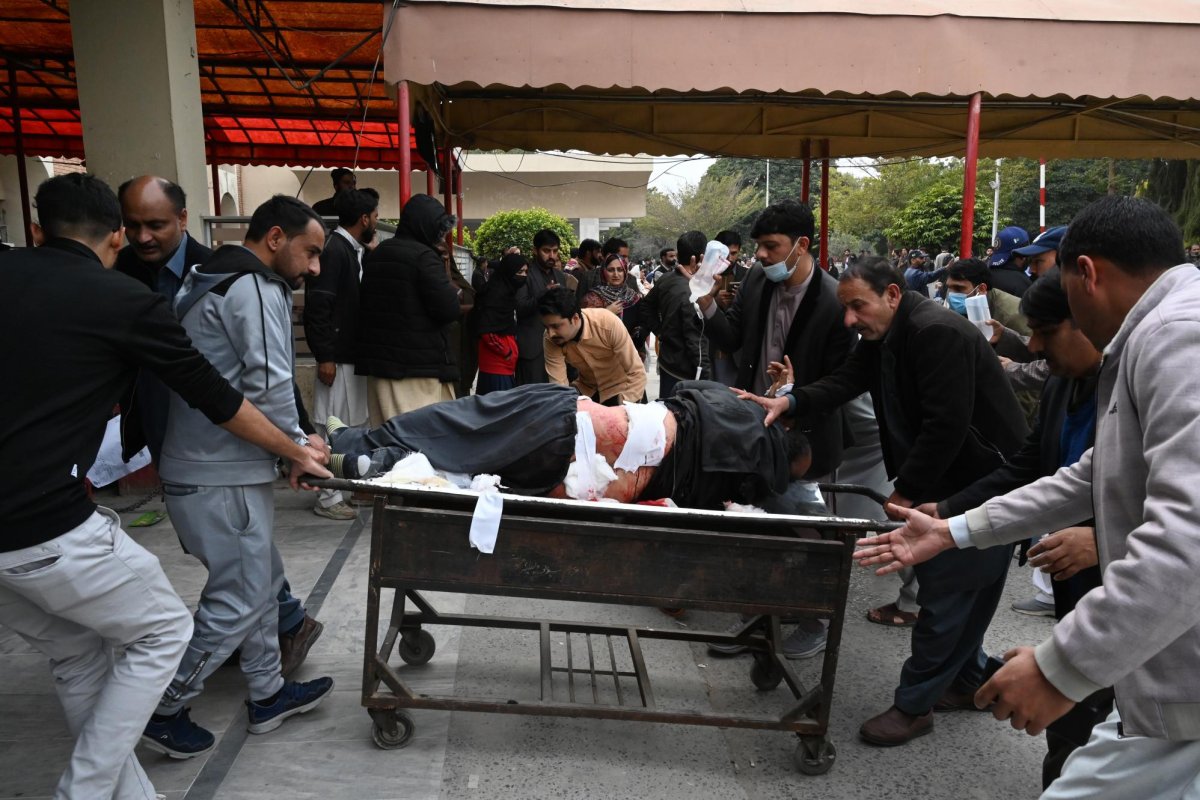
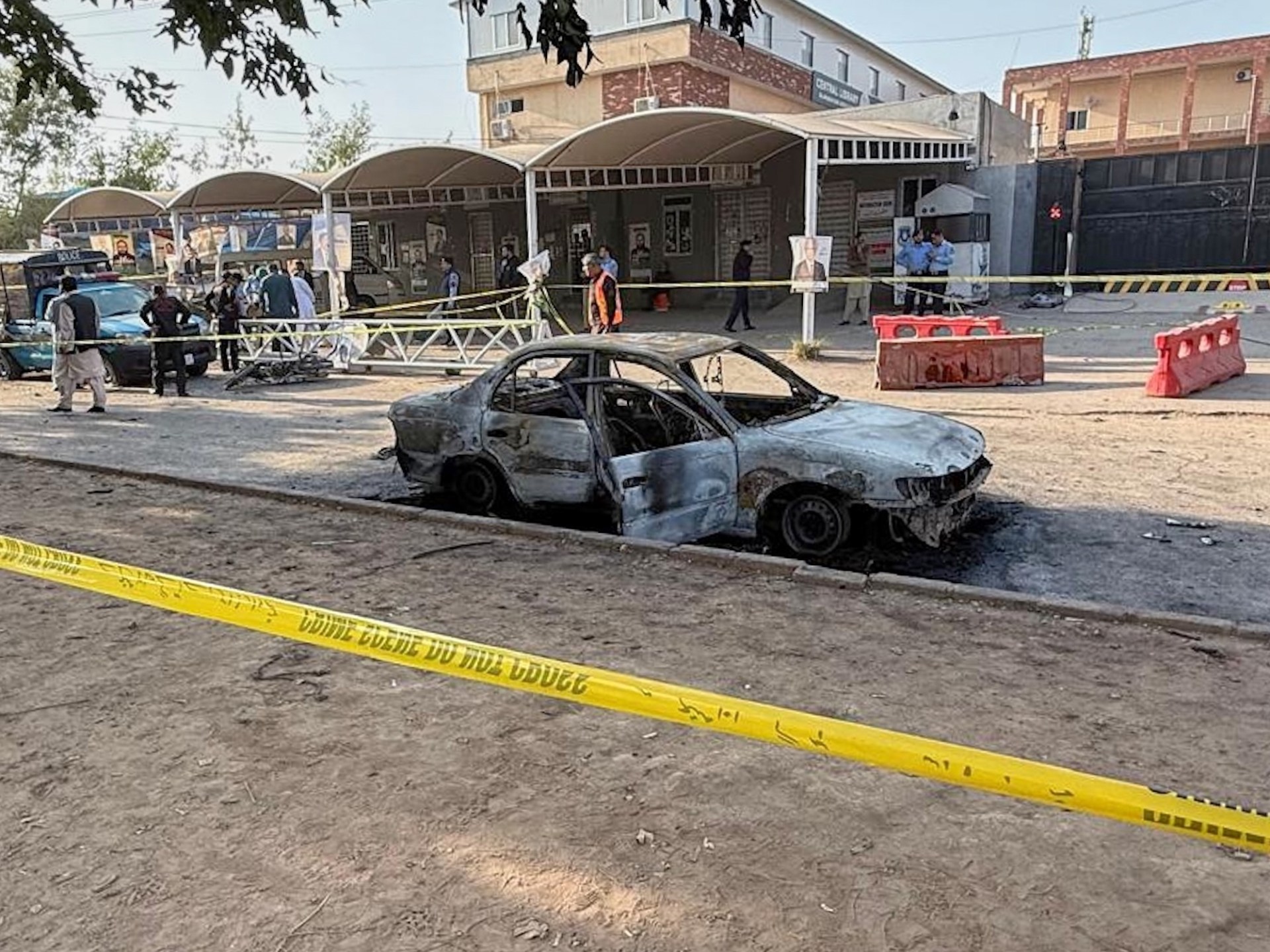
Friday’s suicide bombing in the Tarlai Kallan area on the outskirts of Islamabad has left 32 people dead and over 150 injured, marking the deadliest assault on the Pakistani capital in nearly two decades. On Saturday, a police officer was killed and four suspects, including an “Afghan Daesh mastermind” behind the attack, were arrested in overnight raids in Peshawar and Nowshera, according to a statement released by Pakistan’s Interior Ministry on social media.
For the survivors, everything else is secondary to the carnage they witnessed in the moments that followed the blast. Naqvi, who had been standing near the door in the fifth or sixth row, said that he stepped over the bodies to reach the epicenter of the explosion.