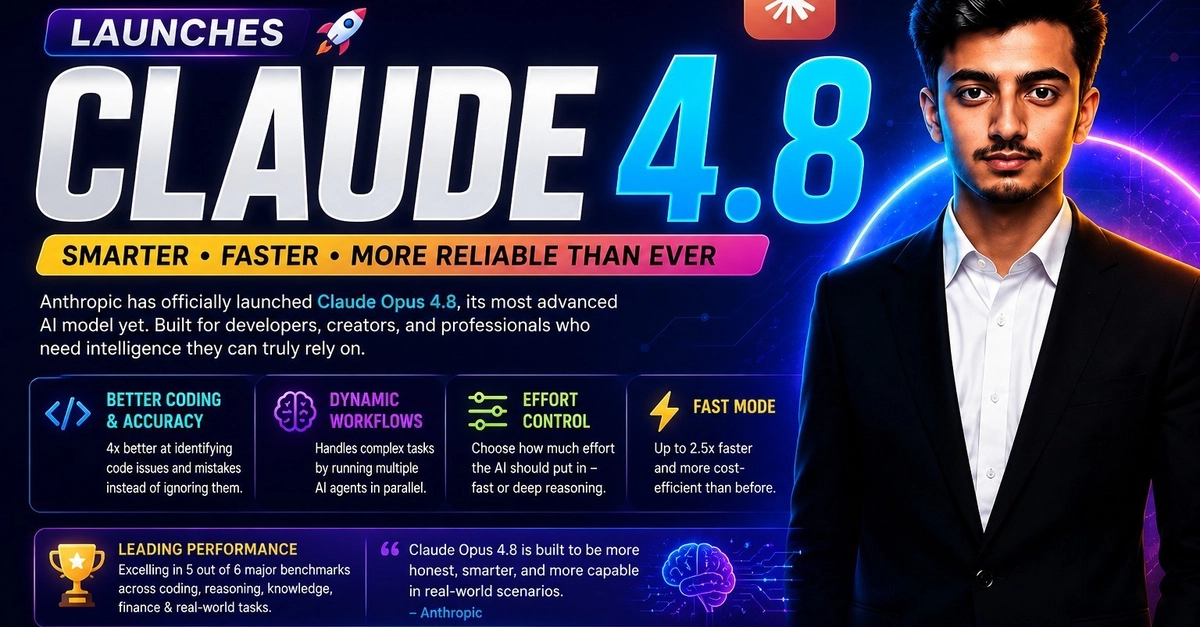
Anthropic says Opus 4.6’s performance on real-world professional tasks is a substantial step up from previous iterations. On select evaluations designed to measure this real-world performance, the company said it outperformed competing models, including OpenAI’s GPT-5.2. (On Thursday, OpenAI also released GPT-5.3-Codex, which it says is its top performing coding model to date and exceeds the prior version in capabilities.)
But it’s the new feature in Opus 4.6 that lets autonomous teams of AI agents tackle complex projects together that might have the greatest impact on productivity within companies, and that might pose the greatest threat to SaaS vendors such as Salesforce, Microsoft, and Workday, which have been trying to get existing customers to upgrade to their own AI agent platforms. (In a direct challenge to Microsoft’s Copilot offerings, Opus 4.6 includes a plug-in with PowerPoint, enabling Anthropic’s Claude model to easily spin up entire slide decks without the need to export files between applications.) The agent teams feature allows users to deploy multiple AI agents simultaneously that handle different aspects of a larger project. The agents work in parallel and communicate with one another to coordinate their efforts—mimicking how human teams divide and conquer complex assignments. The teams feature is only available in a research preview for API users and subscribers.