https://arab.news/rfmsu
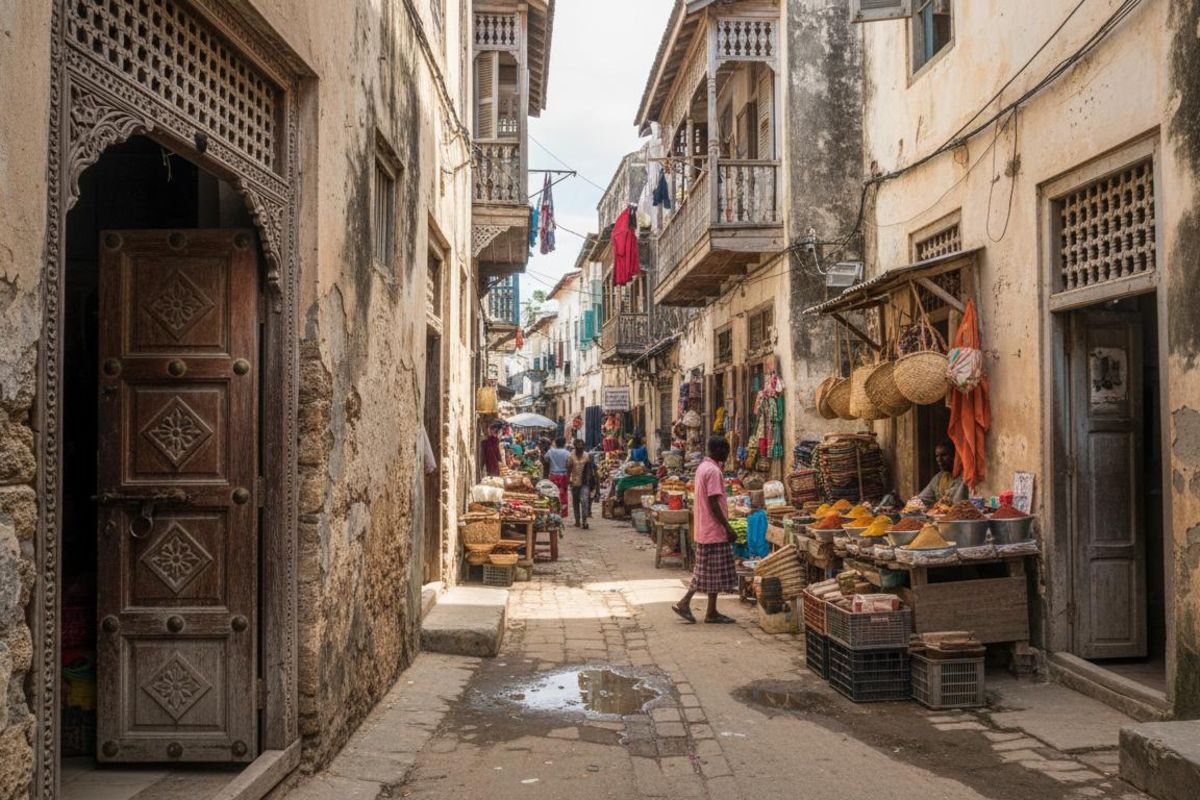
The Middle East and North Africa is one of the world’s most culturally dense regions, where history is embedded in cityscapes, architecture, social practices, and everyday livelihoods. From ancient trade routes to living traditions passed through generations, heritage is not confined to the past. It continues to shape daily life and collective identity. This reality is driving a quiet but profound shift, one that positions culture and heritage as essential economic infrastructure. The cultural capital, from architecture to creative industries and local communities, is a strong engine of economic diversification across the region.
Morocco’s tourism performance in 2025 signals a clear upward trajectory. The kingdom welcomed over 15 million visitors, generating about $13.5 billion in revenue, a 14 percent year-on-year increase. Egypt received 19 million arrivals, up 21 percent, with tourism now contributing more than 4.7 percent to gross domestic product. The UAE recorded 25.2 million hotel guests in 2022, with travel and tourism representing 9 percent of GDP. These confirm the Arab world as one of the fastest-growing tourism regions. But the more significant development is not the scale of growth but its strategic direction. Across the region, policymakers and investors are pivoting from volume-based competition toward value-based models centered on quality of experience and per-visitor spending.