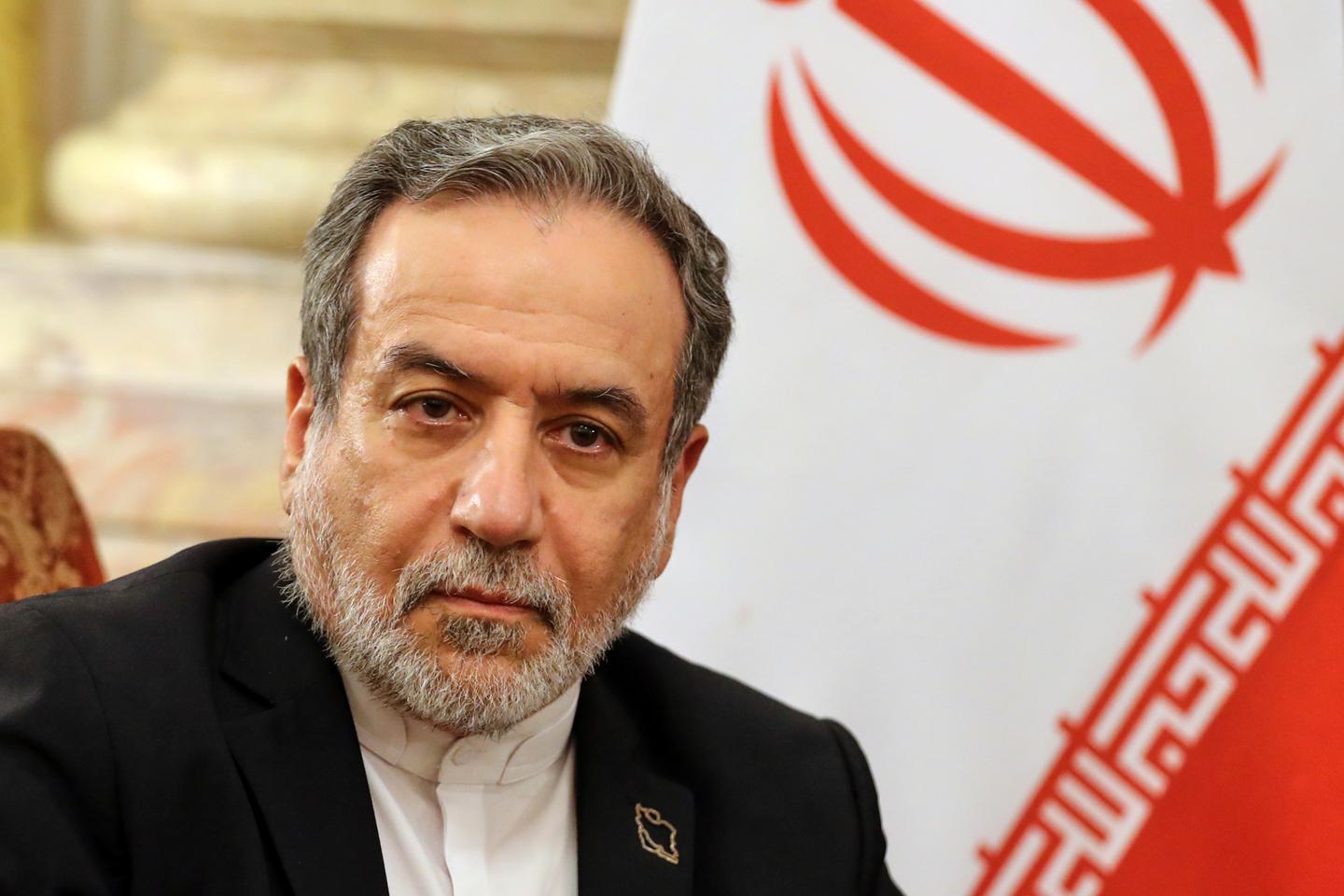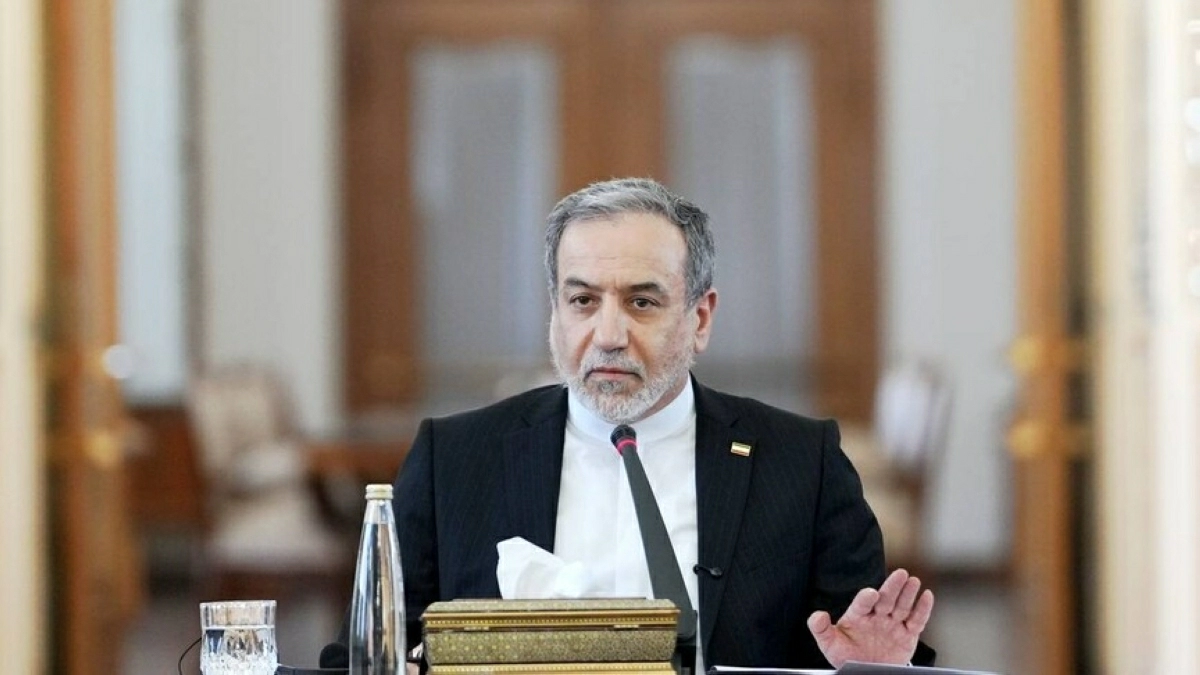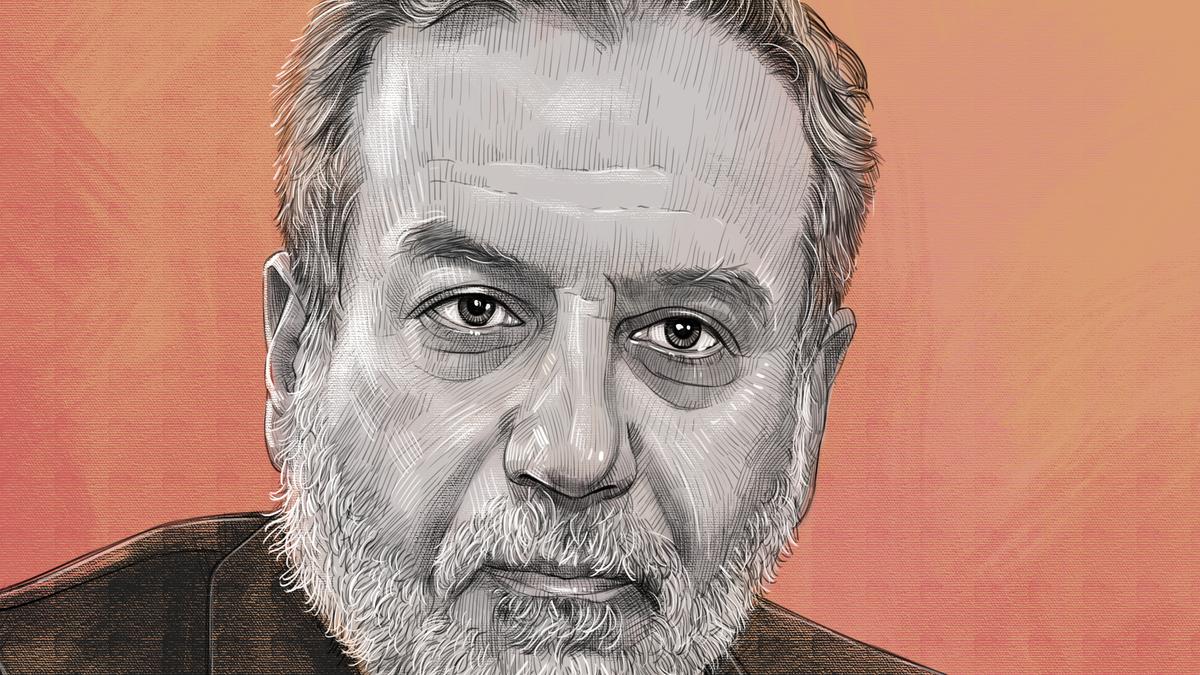
Seyed Abbas Araghchi may have one of the most difficult diplomatic jobs in the world today. His country just experienced its worst internal crisis in over four decades. Massive protests and armed unrest erupted across different parts of Iran in the first week of January, which were violently put down by security forces. At least 3,000 people were killed, according to official figures. The U.S. has sent what President Donald Trump calls “a massive armada” towards Iran. Mr. Trump had earlier said the U.S. was “locked and loaded” to respond if Iran killed protesters. The U.S. has deployed fighter jets, warships and an aircraft carrier strike group to West Asia. While the risk of military escalation remains high, the U.S. has also opened a direct diplomatic channel. “Time is running out for Iran” to make a nuclear deal, Mr. Trump said on January 28.
Mr. Araghchi responded in kind. Iran was “ready for a fair and equitable deal”, he said the next day, “but not for coercion”. He added that Iran’s armed forces “are prepared — with their fingers on the trigger — to immediately and powerfully respond to any aggression”. This summarises the challenge before him.