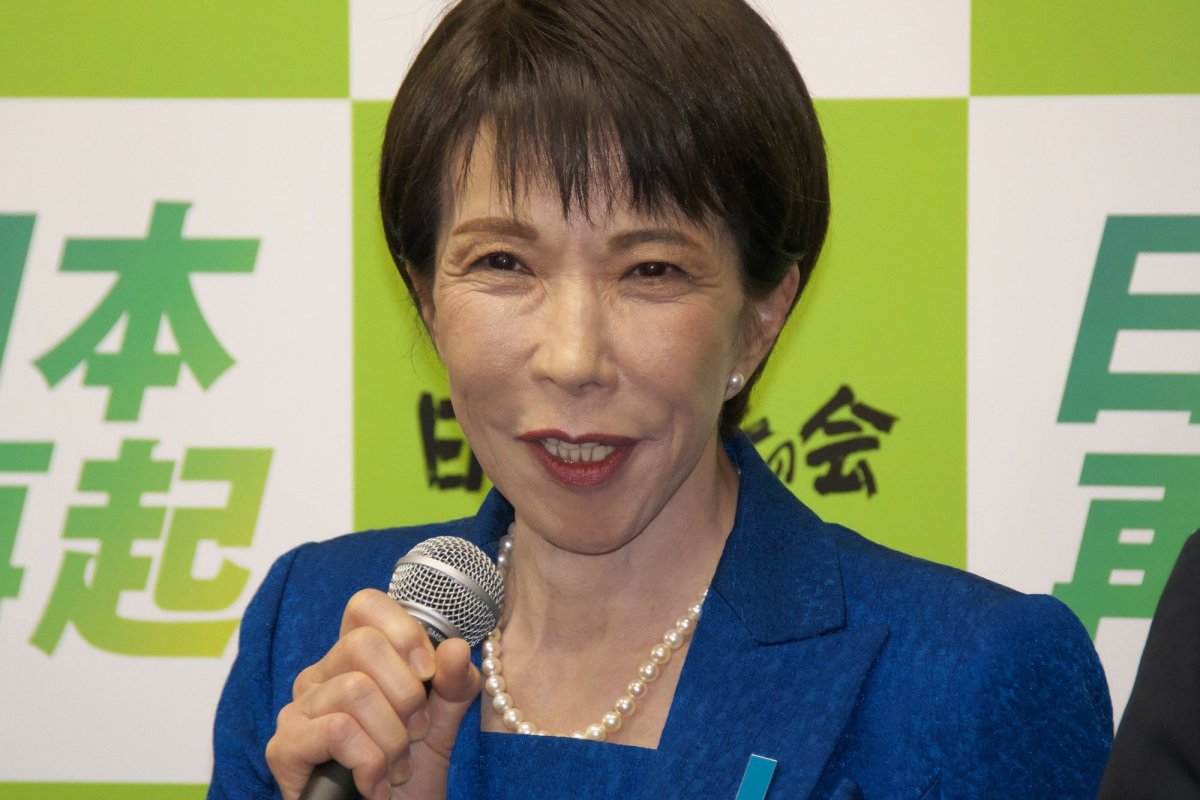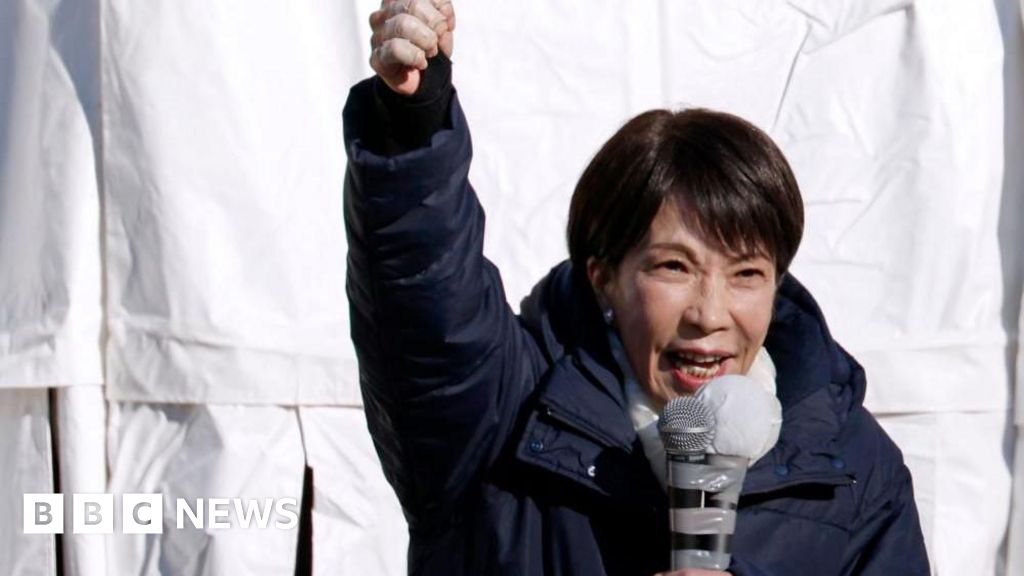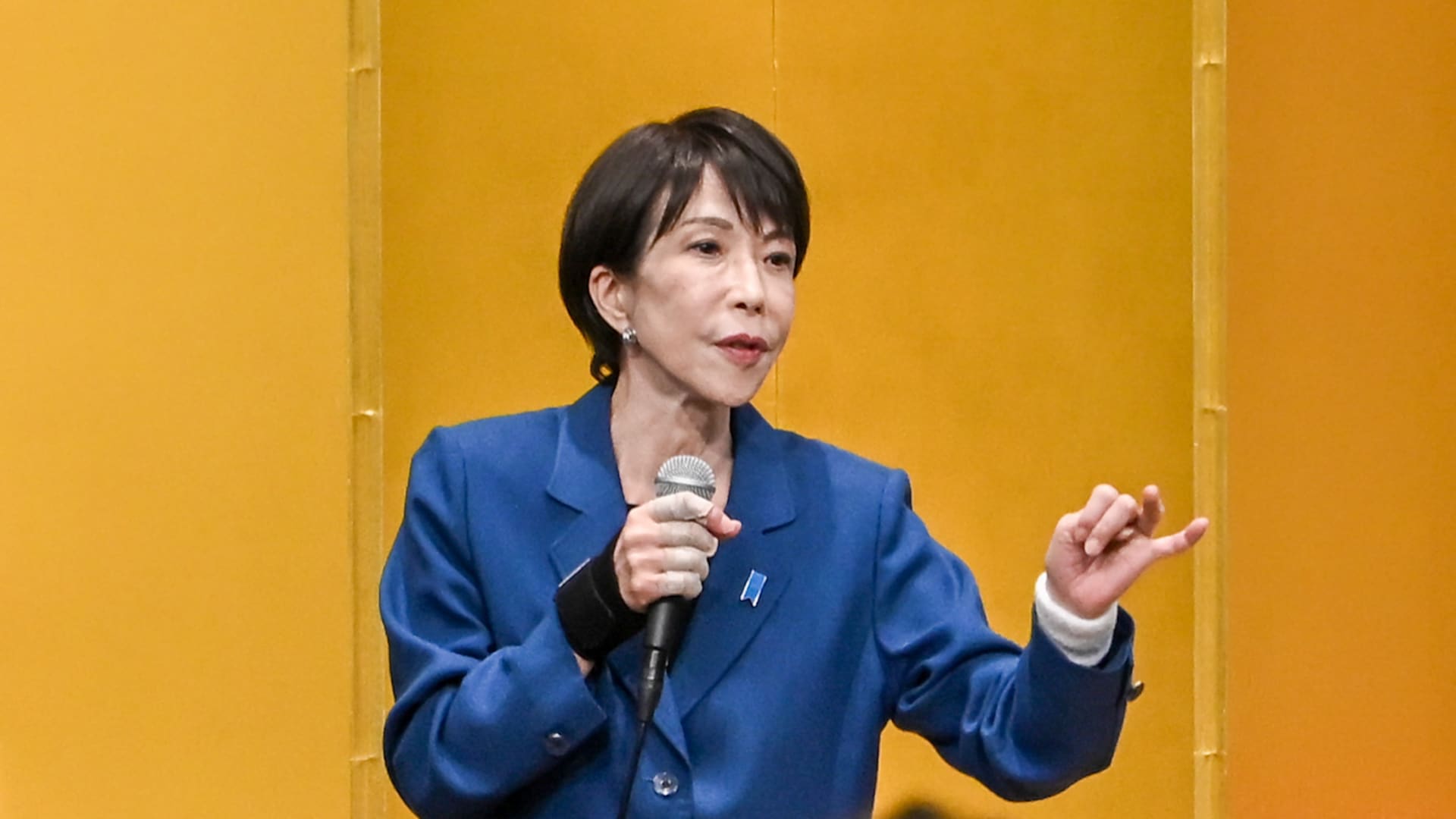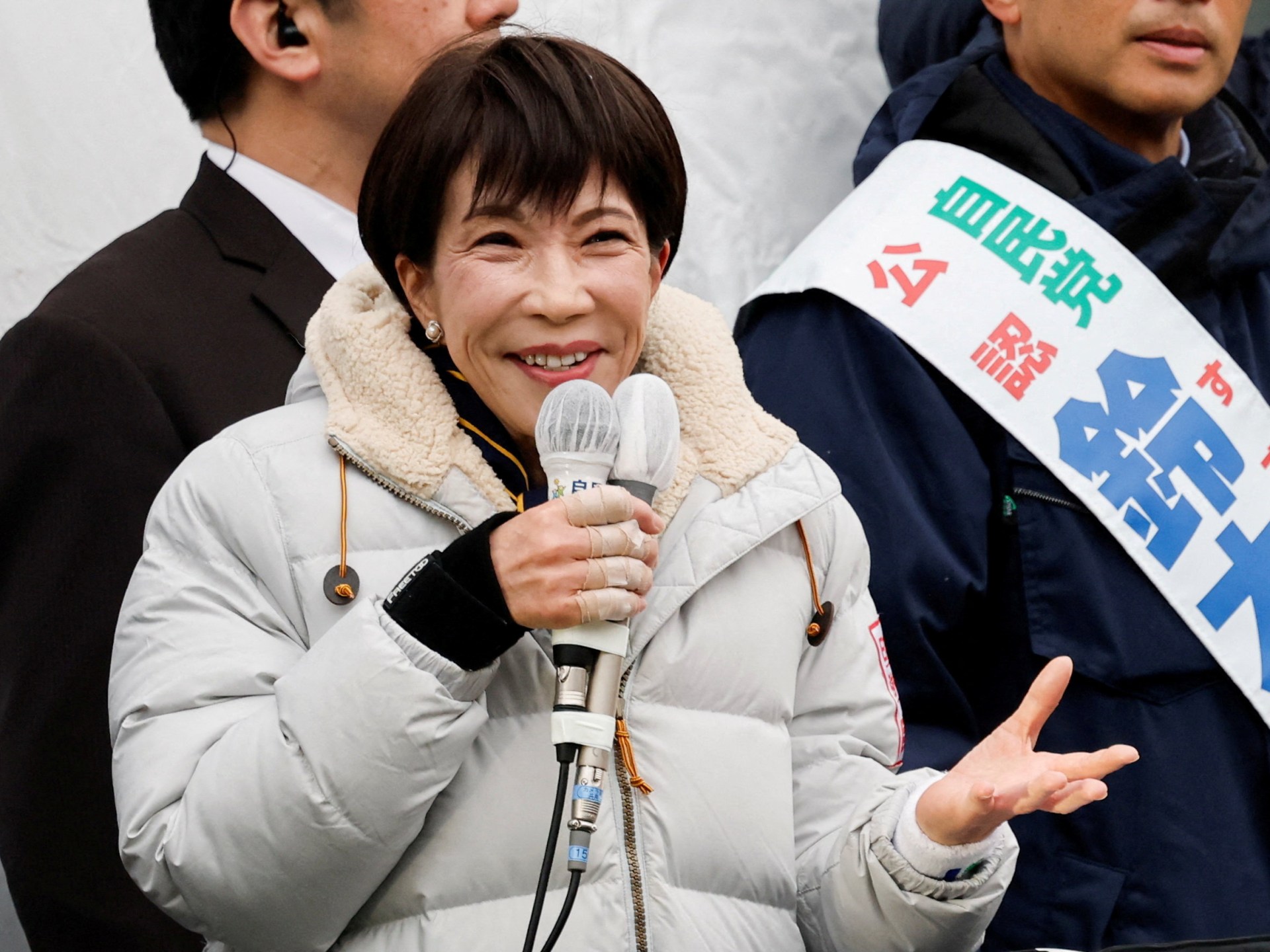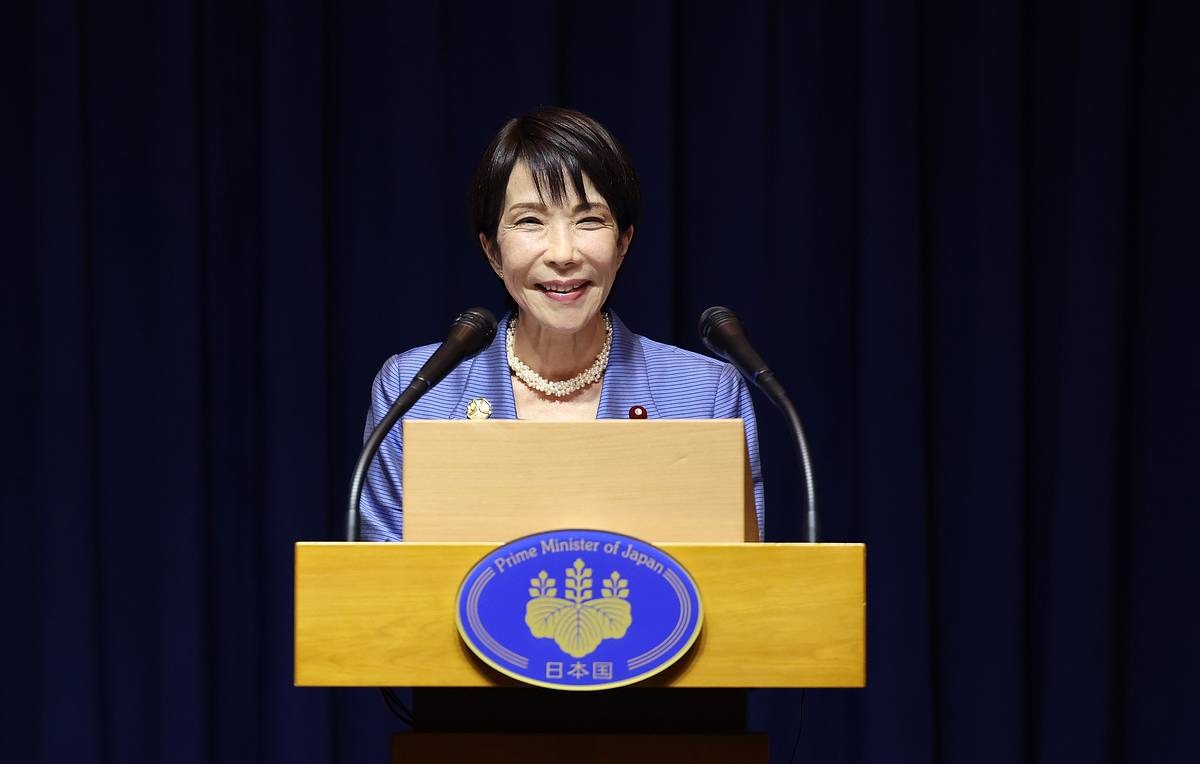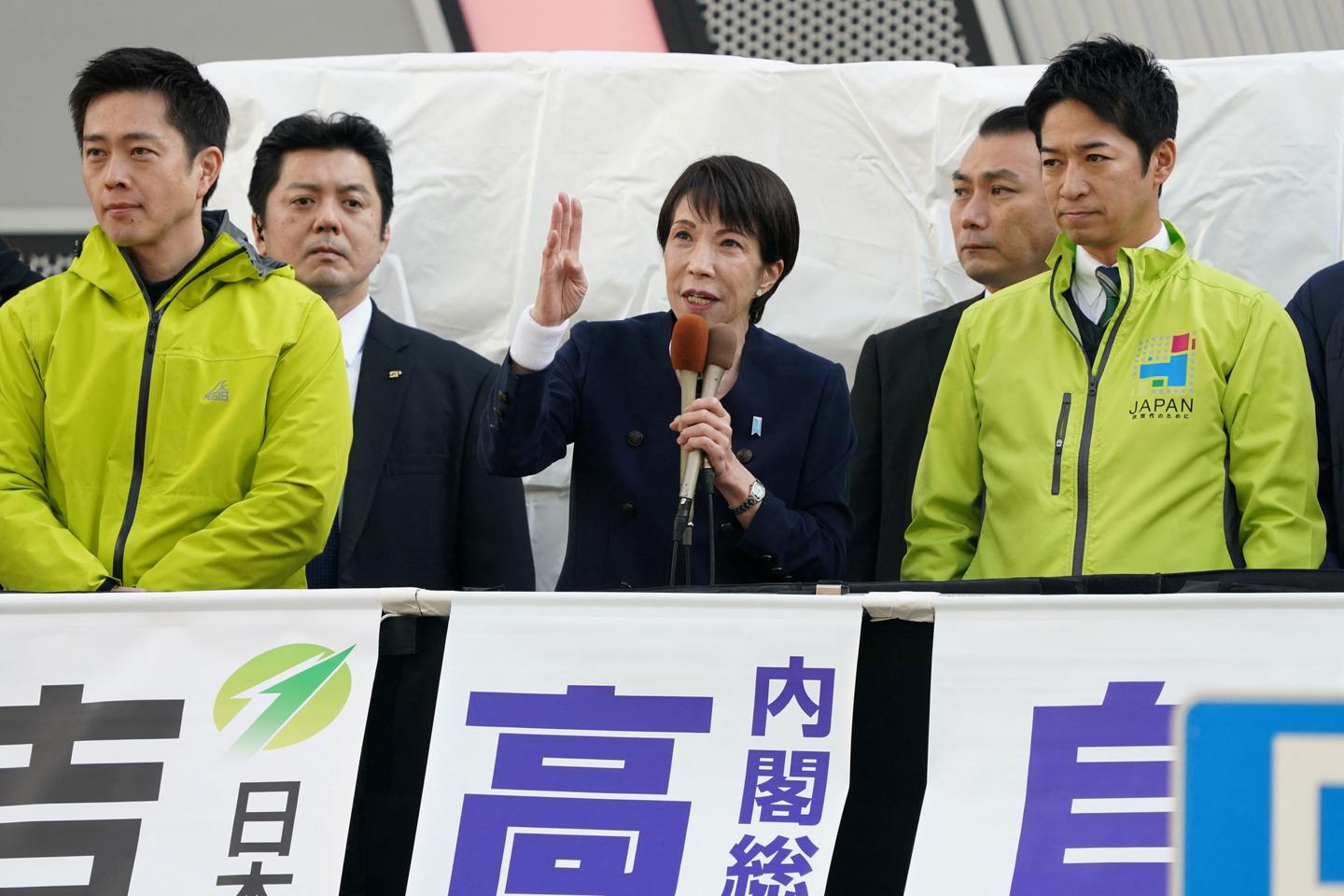
Japanese Prime Minister and president of the Liberal Democratic Party, Sanae Takaichi (center), delivering a campaign speech in Tokyo, January 27, 2026. KAZUHIRO NOGI / AFP
Elected thanks to a fragile coalition agreement necessitated by several defeats of the Liberal Democratic Party (PLD), Japanese Prime Minister Sanae Takaichi took the gamble of dissolving the lower house on January 23. With support from nearly 70% of voters – especially among young people and women, who admire her style, her pink pen and her black Hamano leather handbag – Takaichi has skillfully stayed ahead of rival parties on major issues and deftly sidestepped tricky questions. She is poised to help her party regain the absolute majority lost in the 2024 legislative and 2025 upper house elections. By contrast, the opposition, divided and inaudible, faces the threat of a rout.
According to a Nihon Keizai poll conducted from February 3 to 5, the PLD could win 261 seats, up from 198 in the outgoing assembly and well above the simple majority threshold of 233 seats. Although its coalition partner, Ishin (the Japan Innovation Party), is predicted to lose ground, a PLD-Ishin alliance could still secure a two-thirds majority.