The showpiece to kick off the Games happened across multiple venues but politics and protests were also present
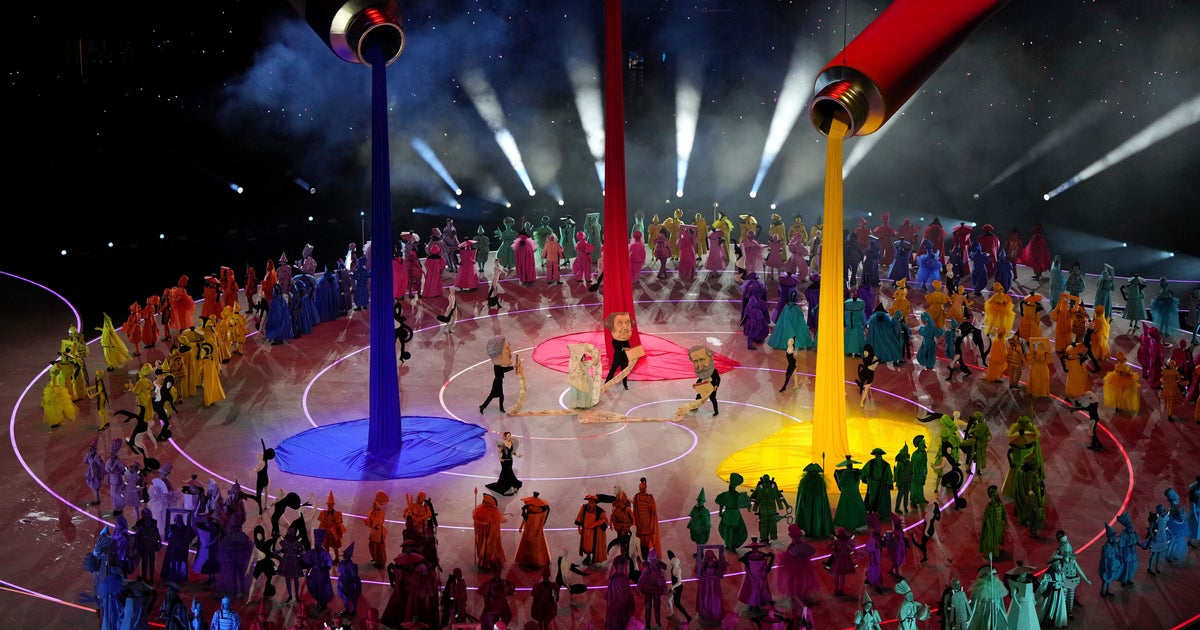
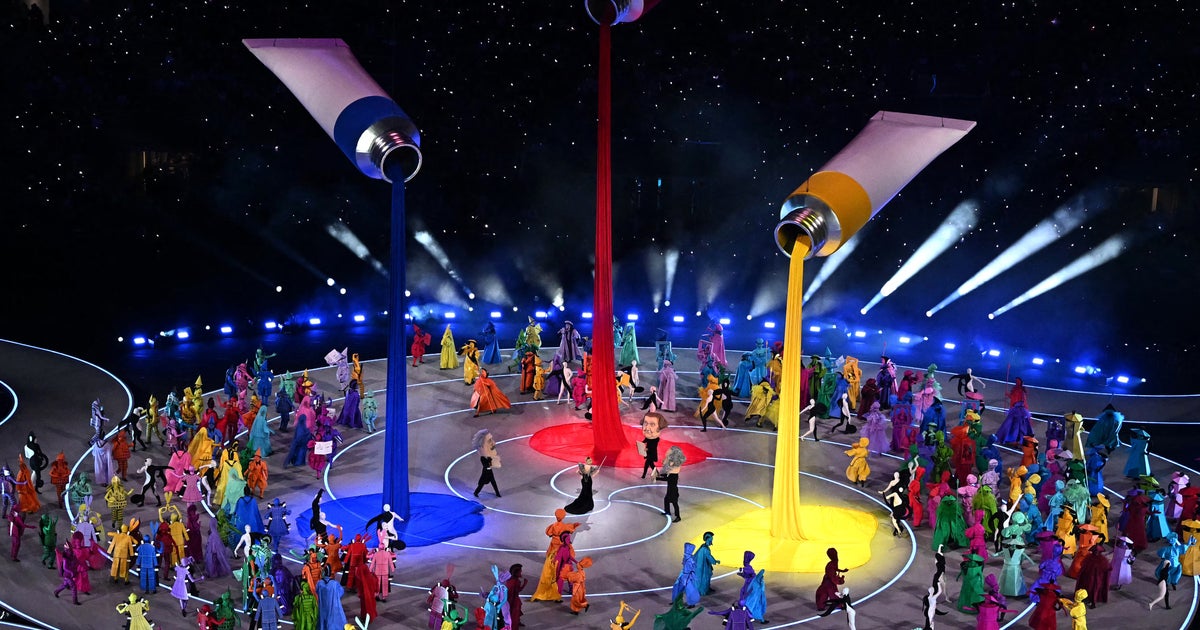
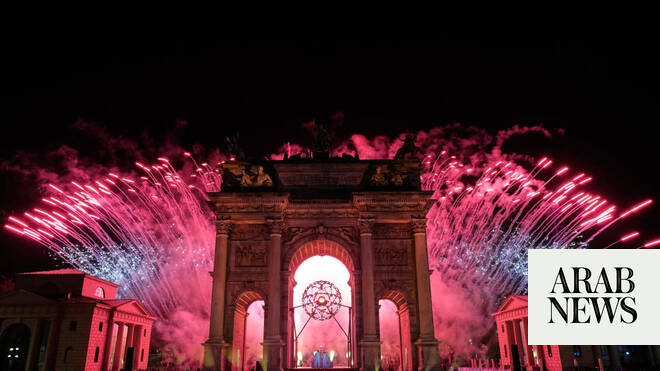
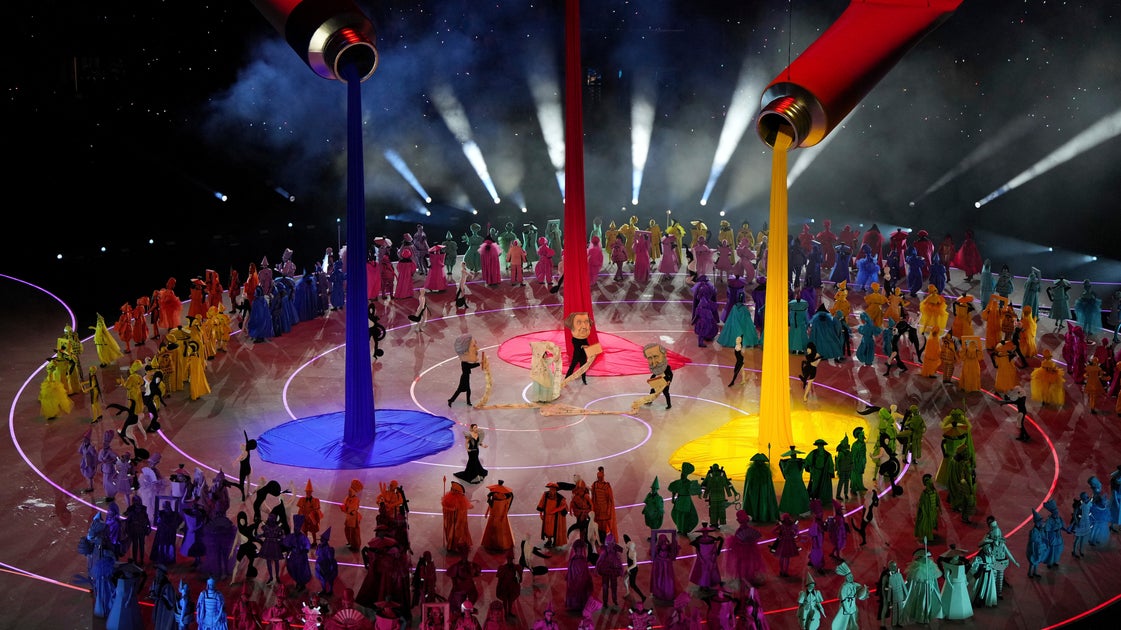
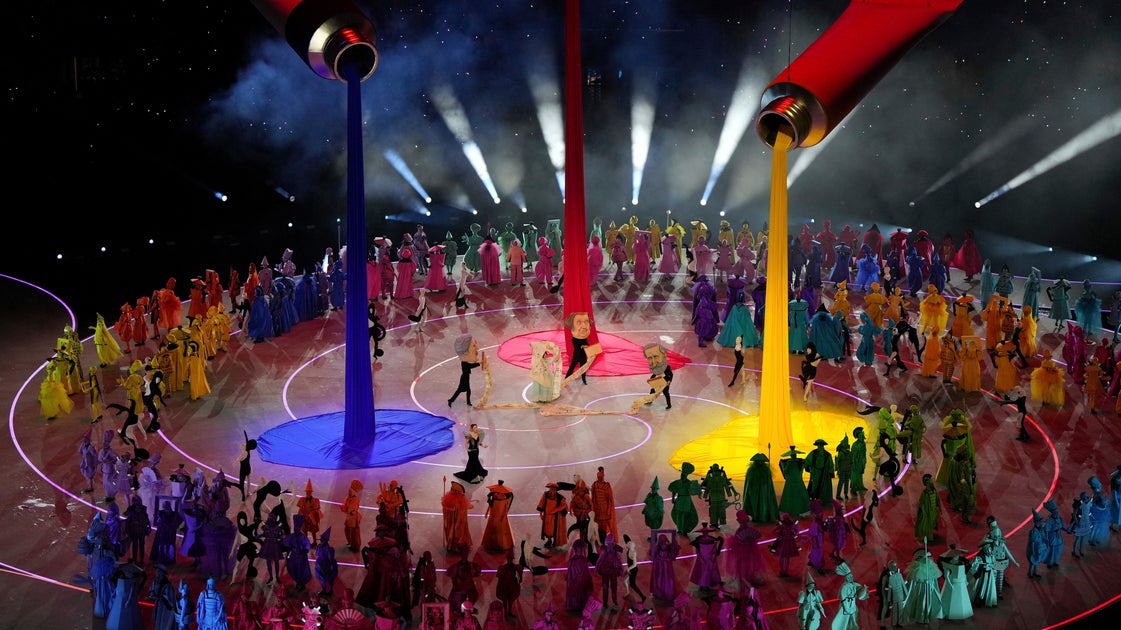
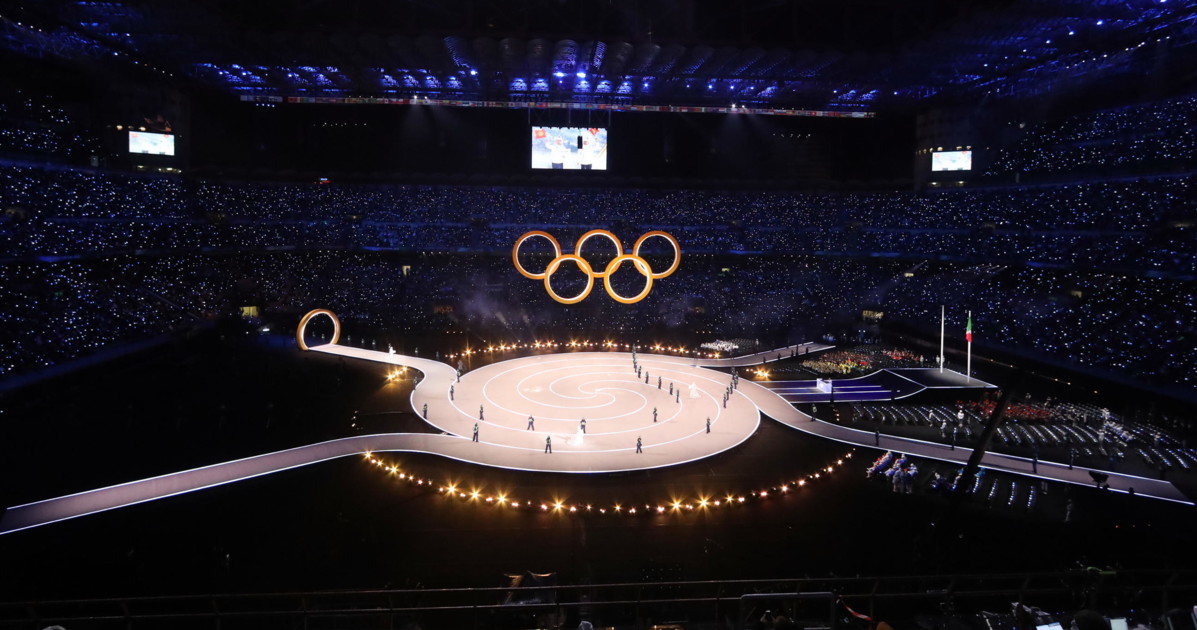
The most striking thing about the opening ceremony isn’t a single prop, celebrity cameo or piece of choreography: it’s the geography. For the first time, an Olympic opening ceremony in effect happened across multiple live venues all at once, with Milan, Cortina, Livigno and Predazzo linked into one narrative structure. It felt less like a show in a stadium and more like watching a country perform itself in real time. The organising concept – “Armonia”, the idea that different elements can move together without losing their identity – isn’t just branding. It shapes how the ceremony actually functioned. Sitting in the San Siro, you’re constantly aware that somewhere else, at that exact moment, another piece of the story is unfolding. It created a strange sense of scale: intimate and enormous at once. In an era when global attention is fragmented across screens and platforms, Italy staged the opposite – a ceremony built on simultaneity, connection and shared rhythm.
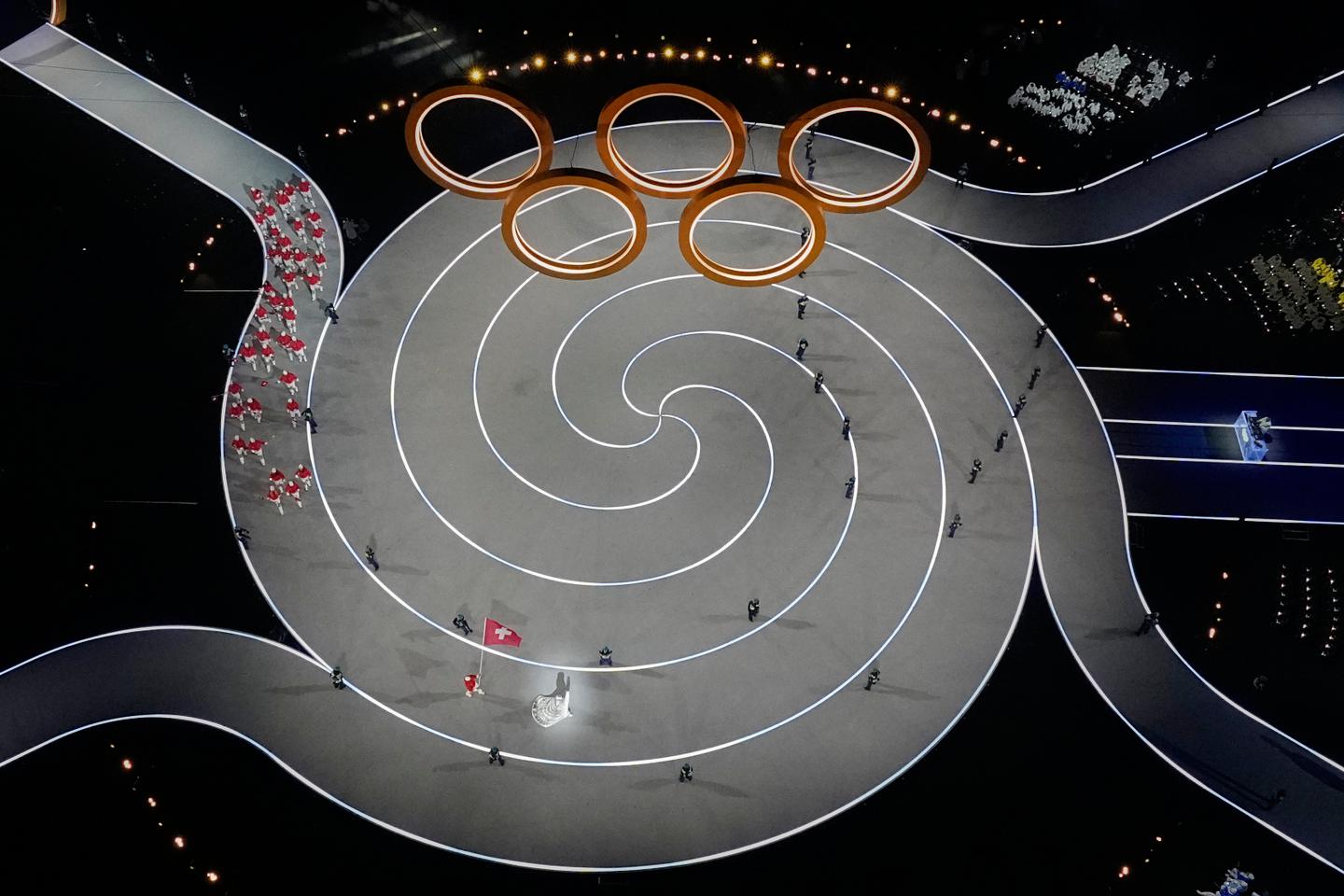
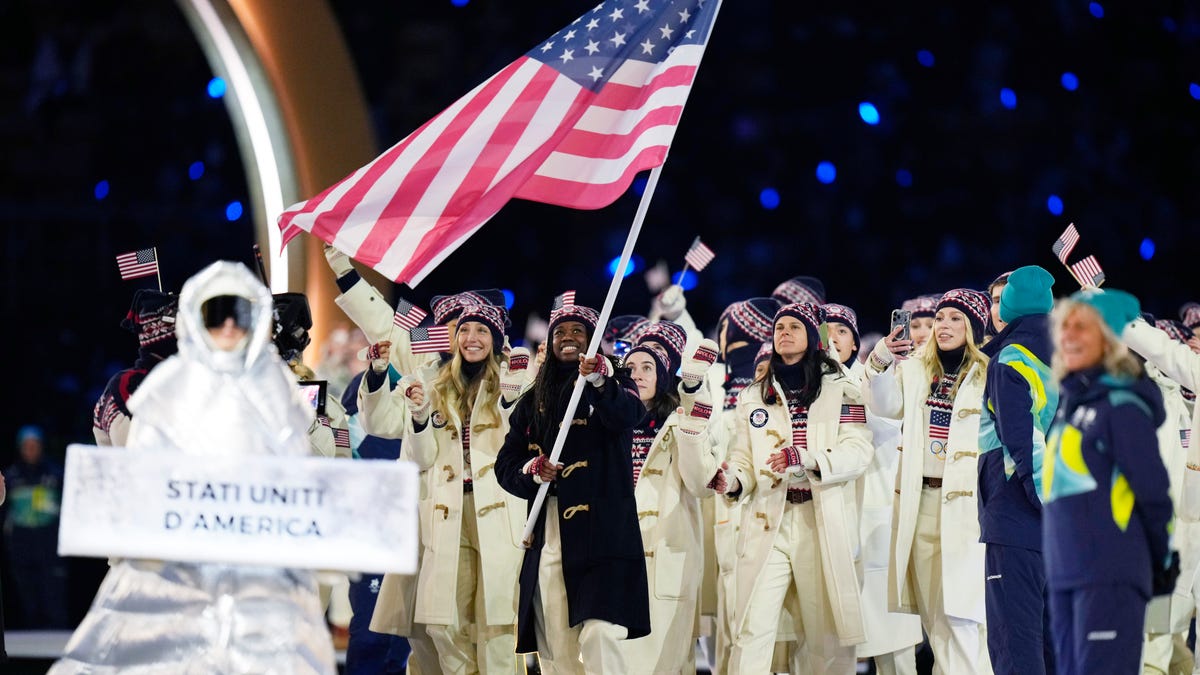
Instead of the usual slow-motion lap of a single stadium – the emotional endurance test that most ceremonies turn into – the parade here was deliberately fractured. Ice athletes appeared in Milan, freestyle and snowboard athletes in Livigno, Nordic athletes in Predazzo, and sliding and biathlon athletes in Cortina. Logistically, it reduced travel. Emotionally, it changed the rhythm. You lose the slow, building crescendo of delegations marching into one space, but gain something more intimate and modern – almost like watching four opening ceremonies stitched into one broadcast. It also felt unmistakably Italian in execution. The visual design leans hard into aesthetics: banners styled to resemble blocks of ice, uniforms pulling as much from fashion logic as sports tradition. The result is less “march of nations” and more curated visual sequence. It doidn’t have the overwhelming, wall-of-flags impact of a single stadium parade, but it replaced it with something arguably closer to how global sport actually is now: distributed, simultaneous and networked.