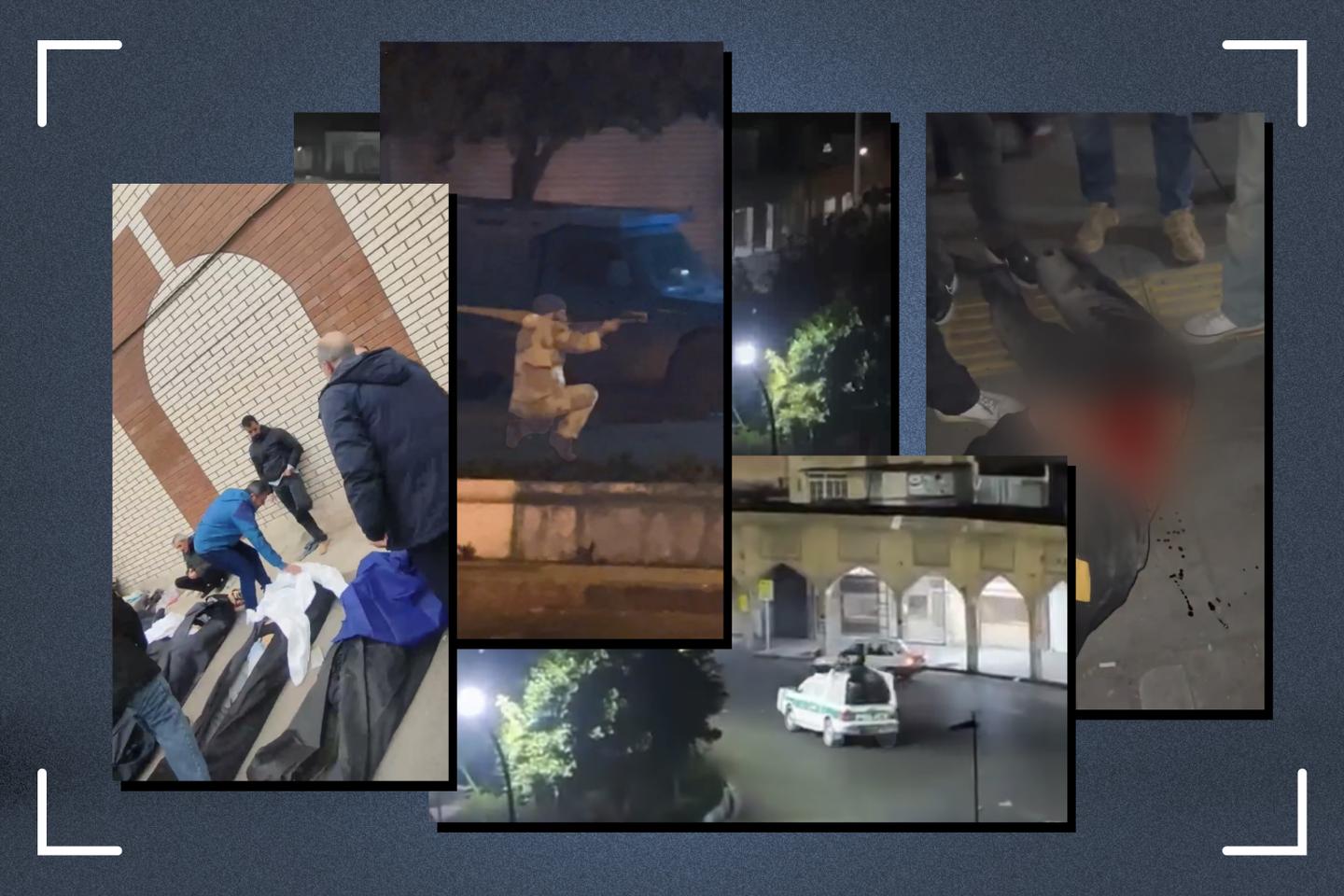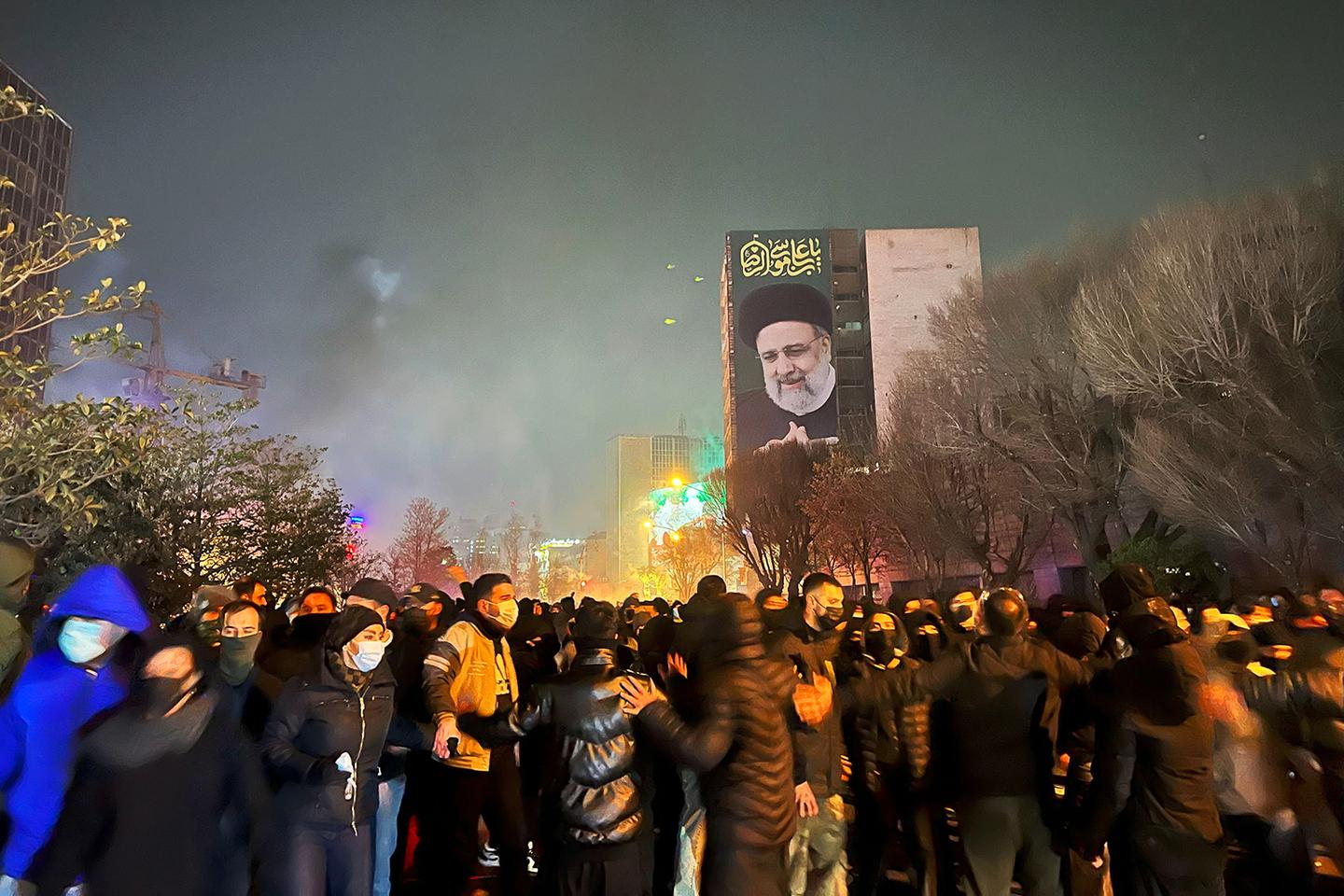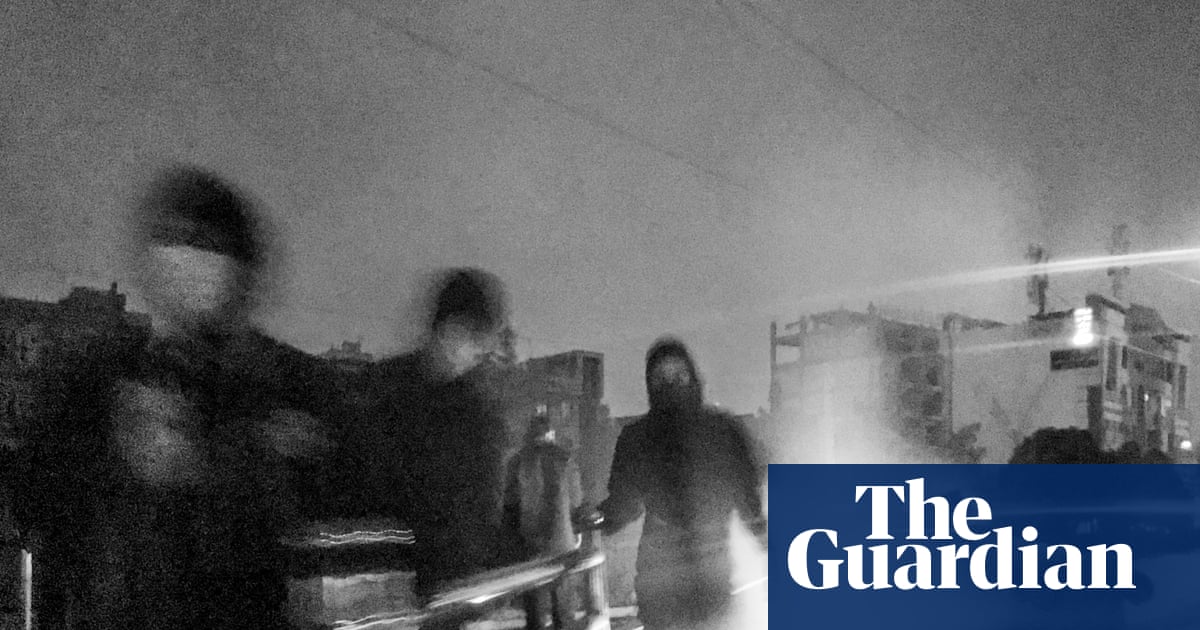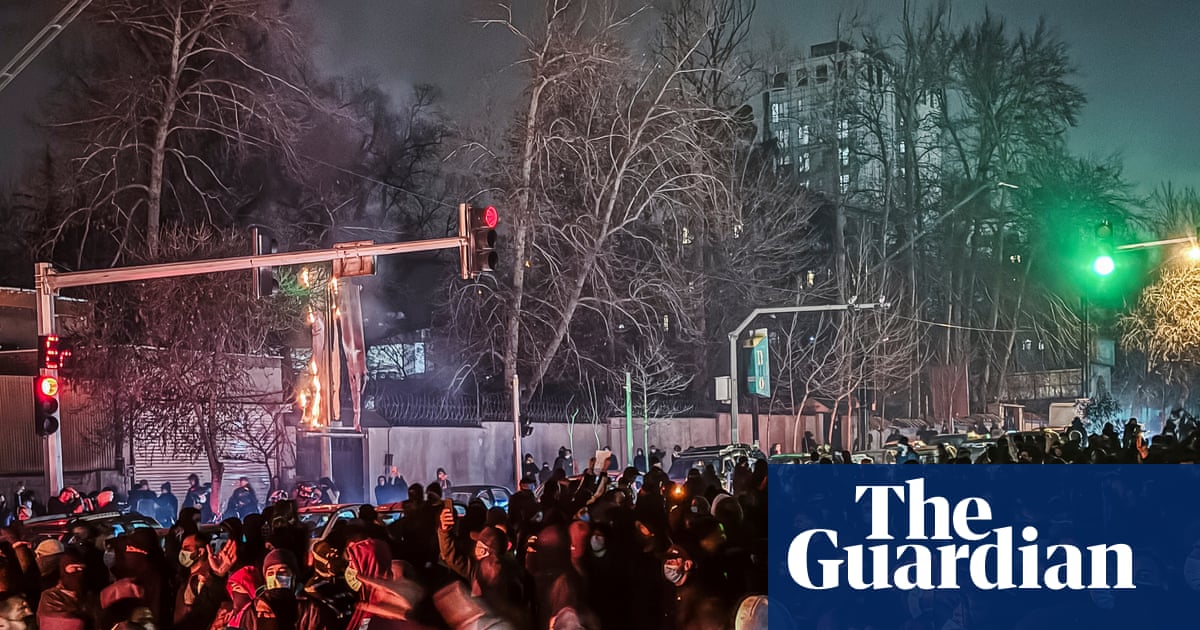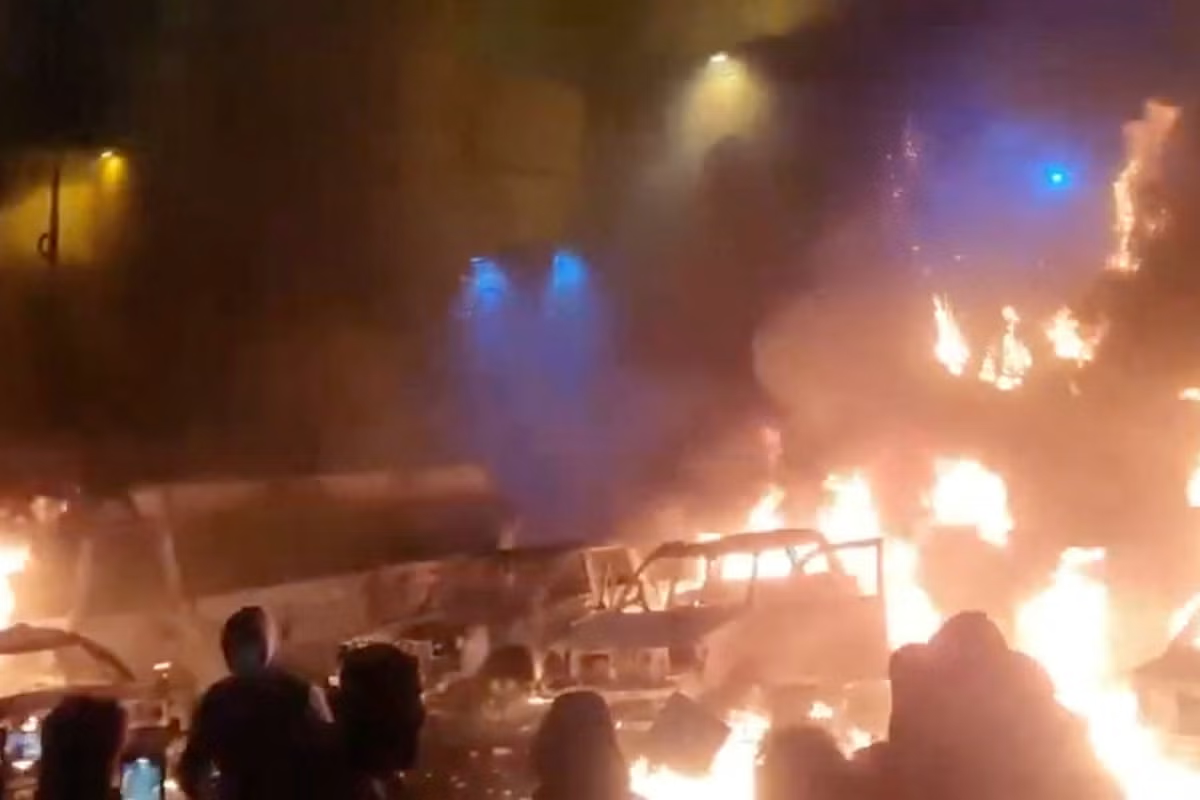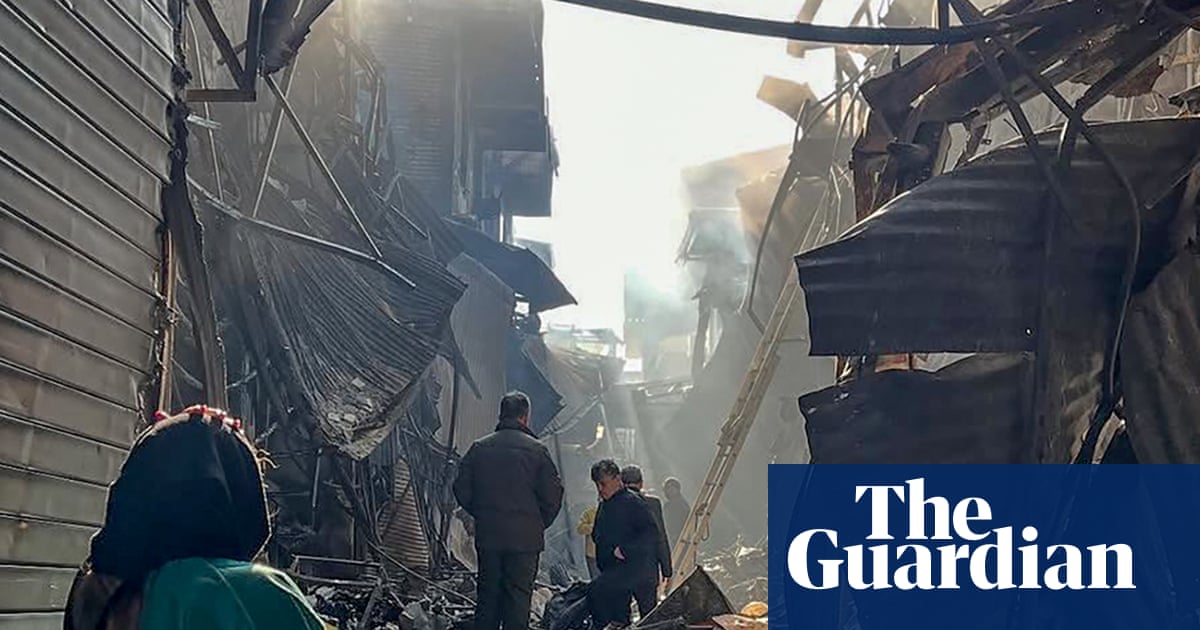
The Guardian has constructed a timeline for the terrible events of one night of protests in Rasht, based on first-hand accounts, video and photographs
On Thursday 8 January, Iran went dark. In the midst of massive national protests, the government shut down the internet, phone calls, and almost all communication out of the country. That evening a violent crackdown began. In some cities, government forces opened fire on crowds, killing thousands – according to some estimates, possibly tens of thousands – in two days of bloodshed. The internet blackout has meant that a clearer picture of what happened – drawn from witness reports, videos, photographs and testimony from hospitals – has taken time to assemble.
When the violence began, there were demonstrations taking place in more than 200 cities, according to human rights groups. This is the story of what unfolded in one of them.
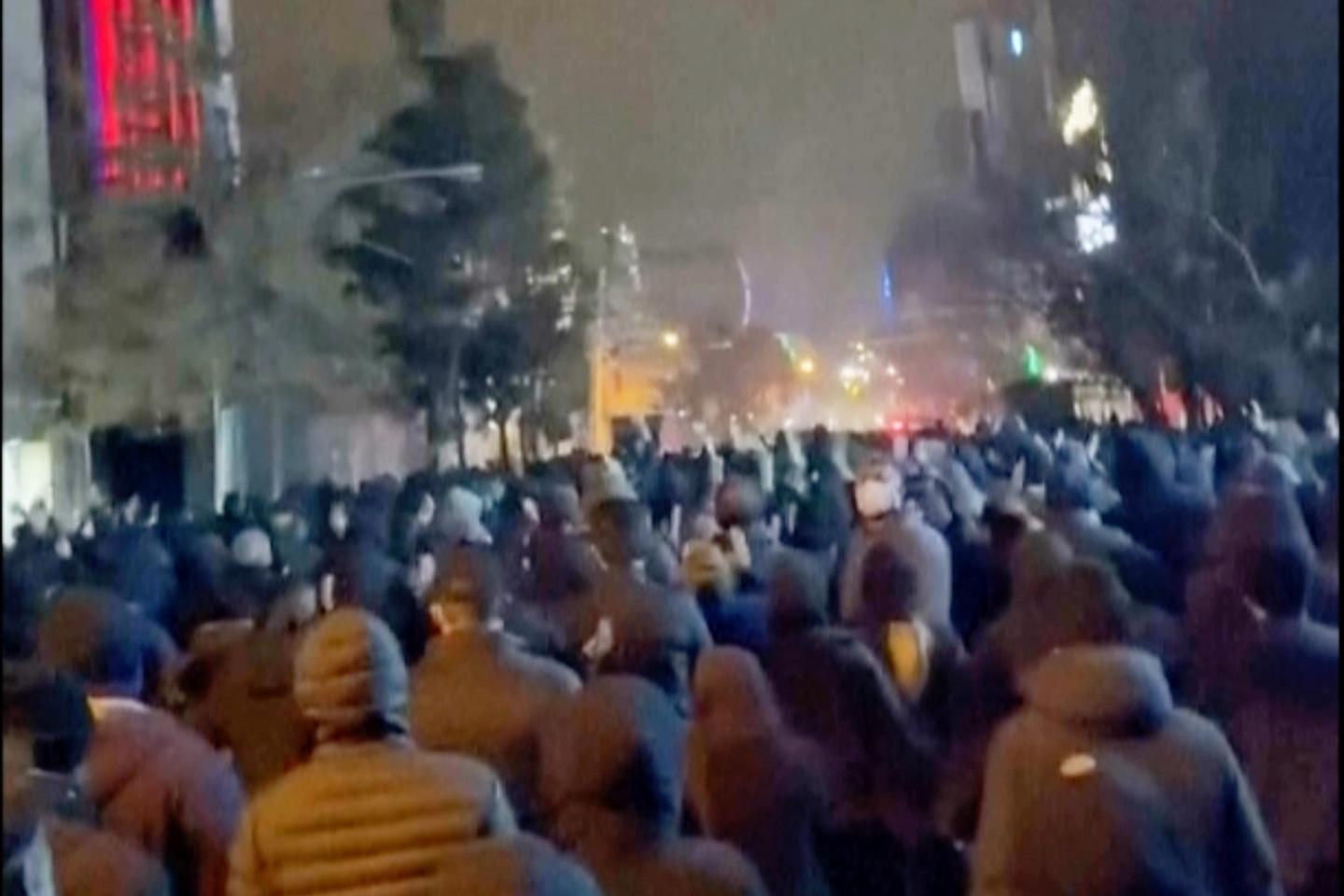
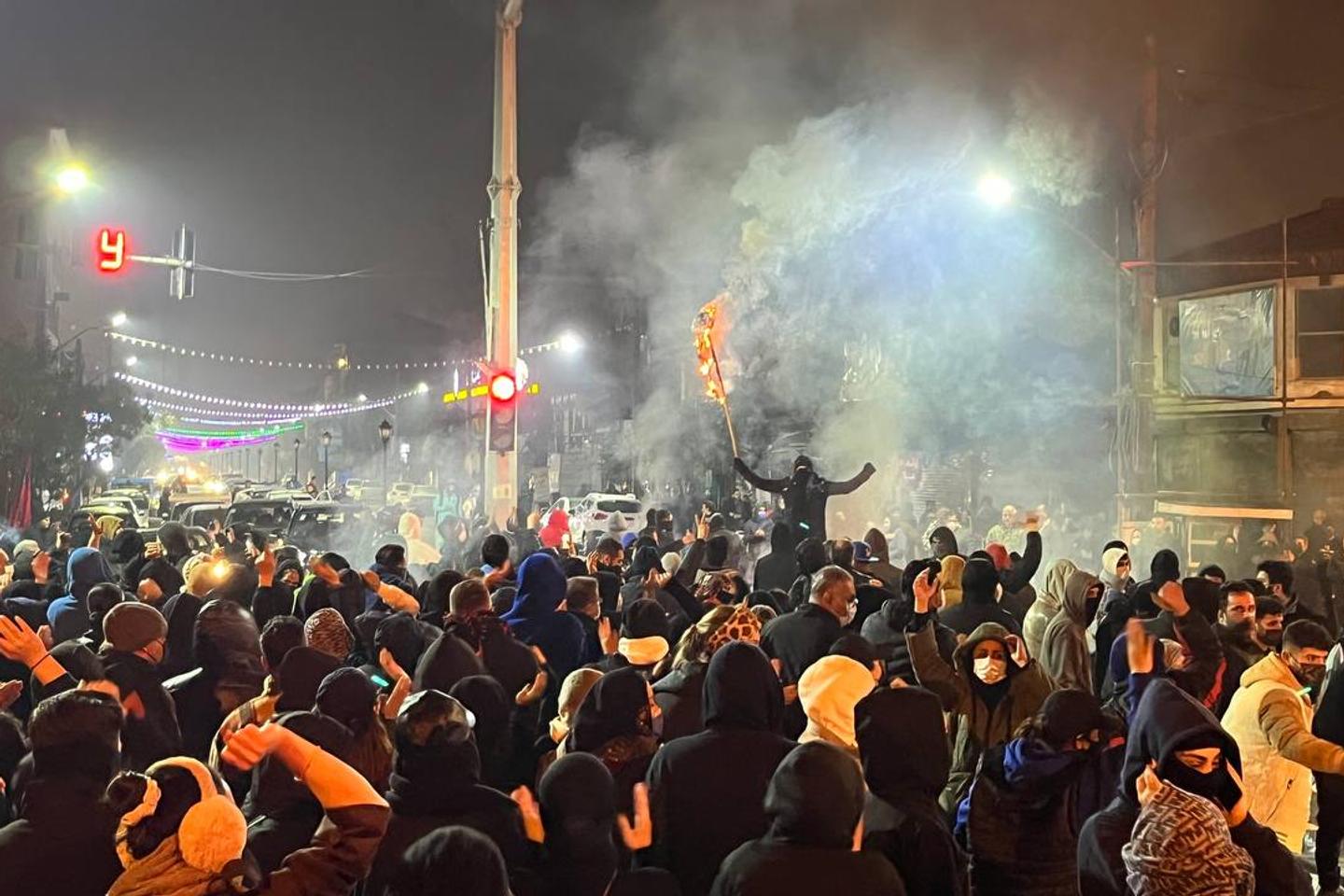
At the moment the Iranian authorities shut down the internet, Ali*, 36, and his friends were already marching toward Shariati Street, which runs along the edge of the grand bazaar in Rasht, central Iran. By the time they reached the road, thousands of people were already there, chanting freedom slogans.
The protests had been building since Tuesday, with people from smaller surrounding cities making their way to Rasht to join them. They flocked to the city’s grand bazaar: a vibrant, historic marketplace, sprawling across a hive of interconnected streets. The market’s location near the Haj Mojtahed mosque and at the intersection of arterial city streets made it the heart of Rasht’s bustling life – and a natural hub for the demonstrators. That evening, its narrow streets were packed. “I would estimate there were more than 20,000 people surrounding the alleys and the boulevards near the bazaar,” says Ali.