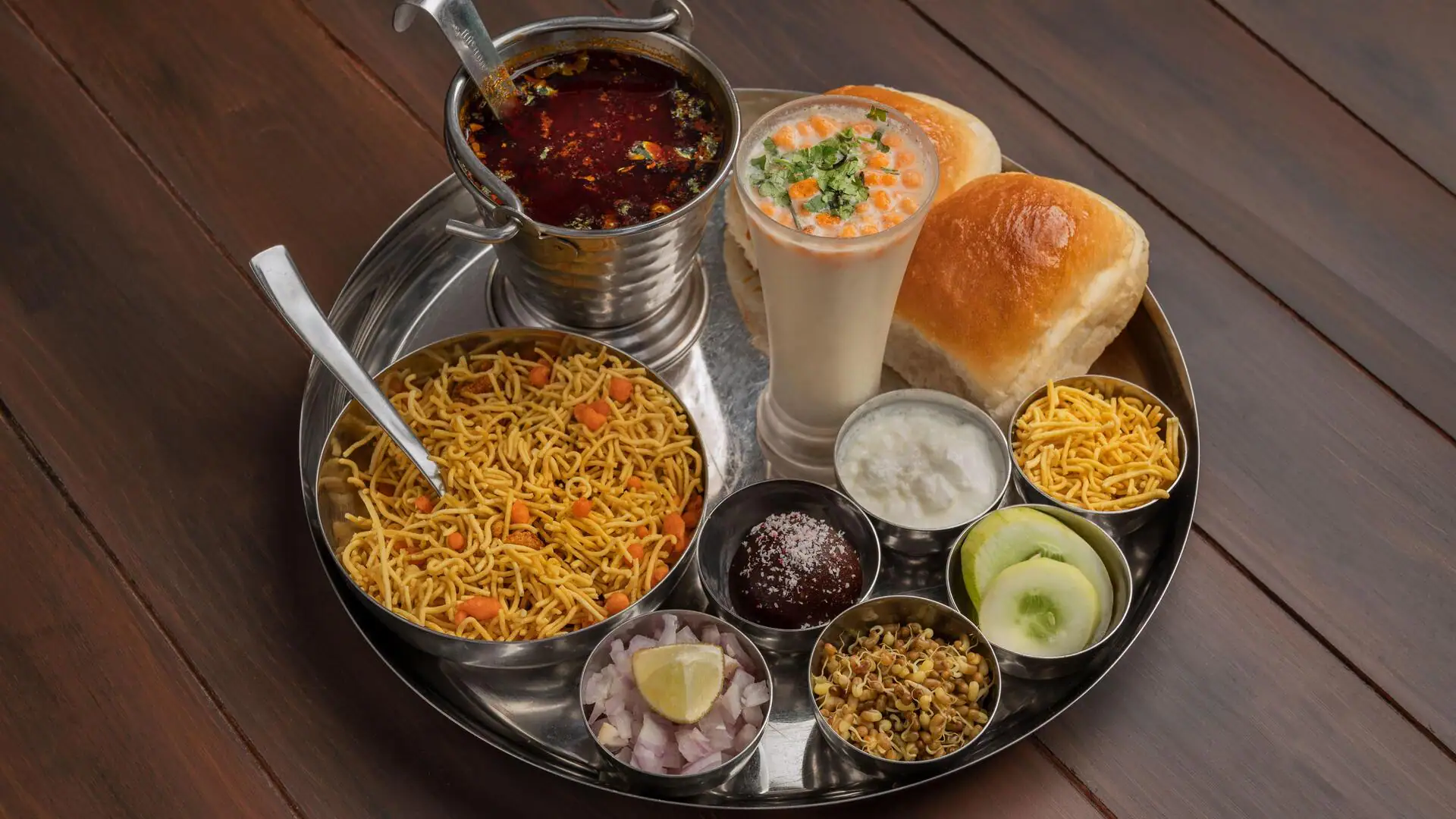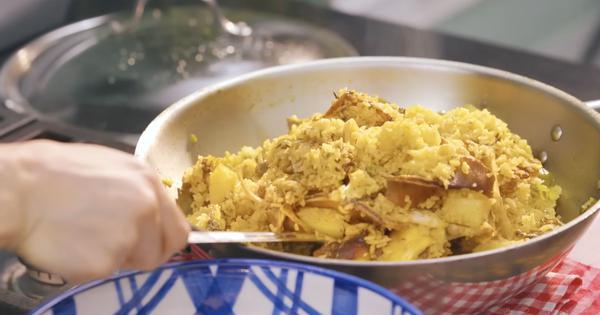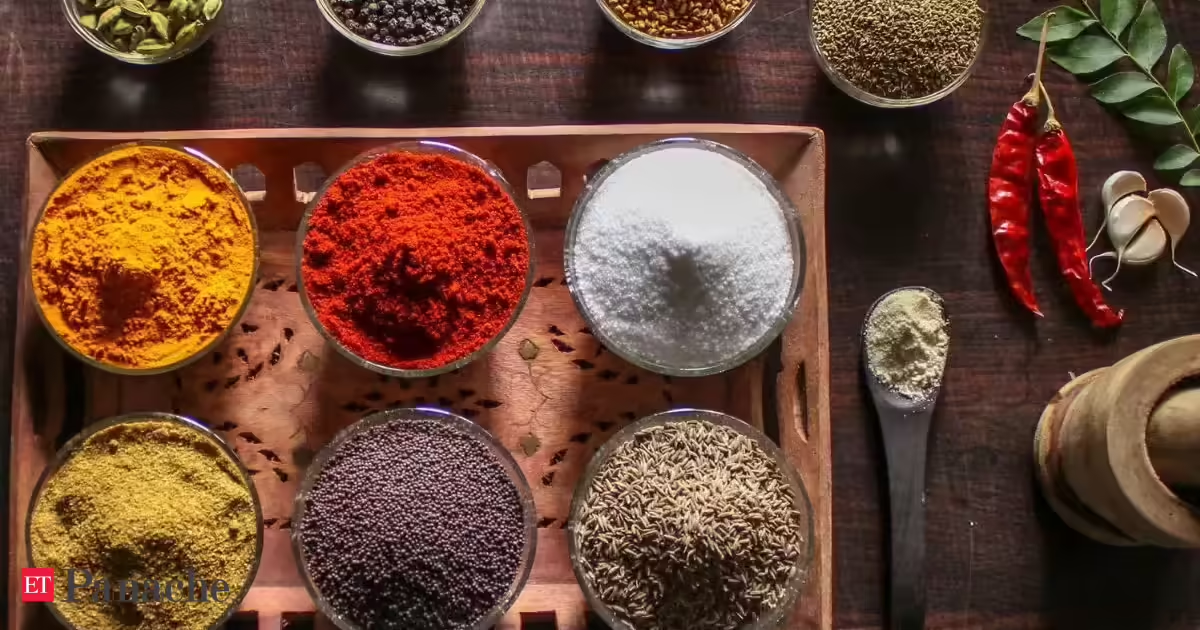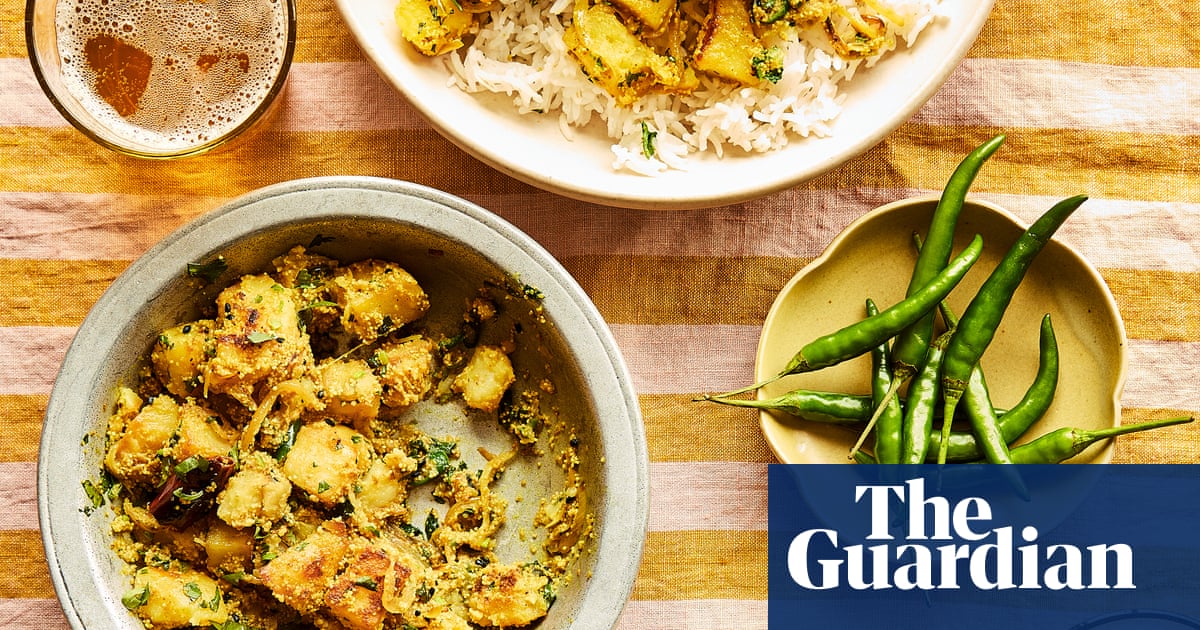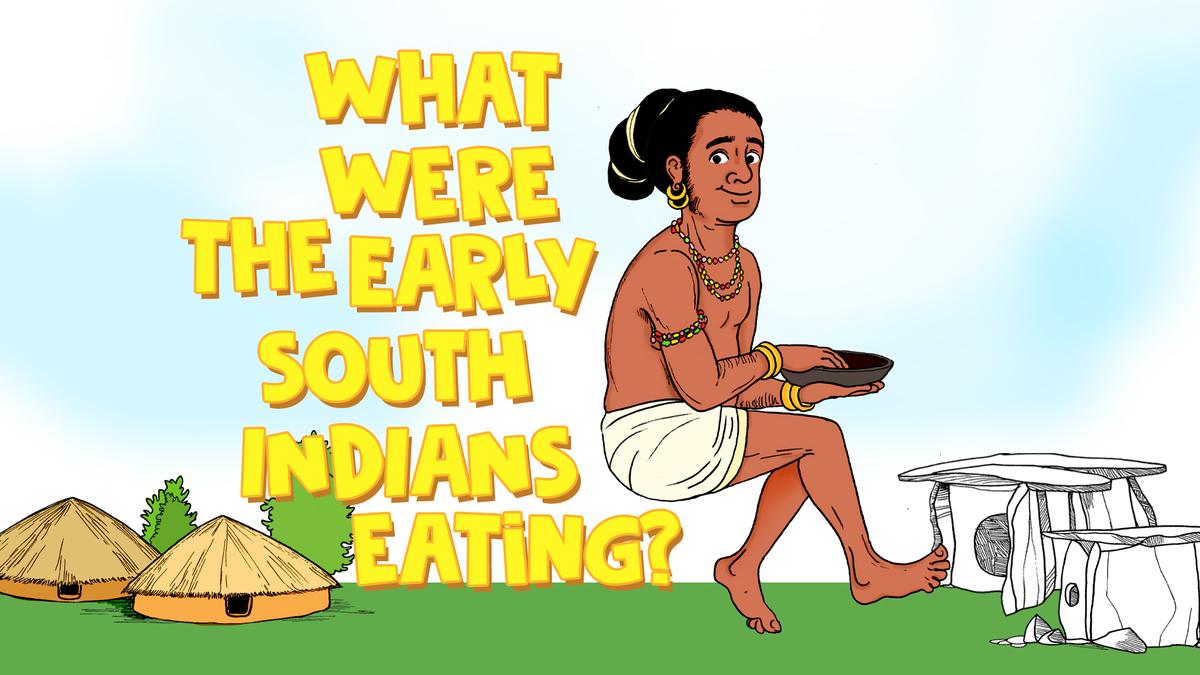
What were the people of Harappa possibly eating over four-and-a-half thousand years ago? Evidence suggests millets, garlic, ginger, brinjal, peas, lentils, bananas, grapes, mangoes, turmeric, walnuts, meat and fish, say archaeologists Supriya Varma and Jaya Menon in the first episode of a new video series titled Indian History, Thali by Thali.
The series, an initiative of the Historically Tempered Collective, is an attempt to “start a conversation about history with something as basic as what you are eating,” says Meera Iyer, convenor at INTACH Bengaluru chapter, who is part of the collective with historian Janaki Nair, author and educator Saisudha Acharya and educator Ajay Cadambi.
The 15-episode series, which was formally launched last week at Sabha BLR, closely examines how food is intertwined with culture, hierarchies, religious rituals, and global trade, among other things, given that India is “this madhouse about food. It is so complex, hierarchised and divided, that one can talk endlessly about a large number of themes, just using food as the peg,” says Nair.
Ruins of the Harappan city, Dholavira | Photo Credit: Getty Images/iStockphoto
The idea for this video series sparked around two years ago, after Iyer, Cadambi and Acharya attended a course that INTACH had organised with Janaki titled ‘Understanding Contemporary India’. “It was Ajay Cadambi who kicked off that conversation because he said we have so many interesting materials and resources for teaching American and European history, but we don’t have them in India. So, I said, let us make them,” recalls Nair. And turning to videos was an obvious choice because “we felt the video form was accessible,” says Cadambi.