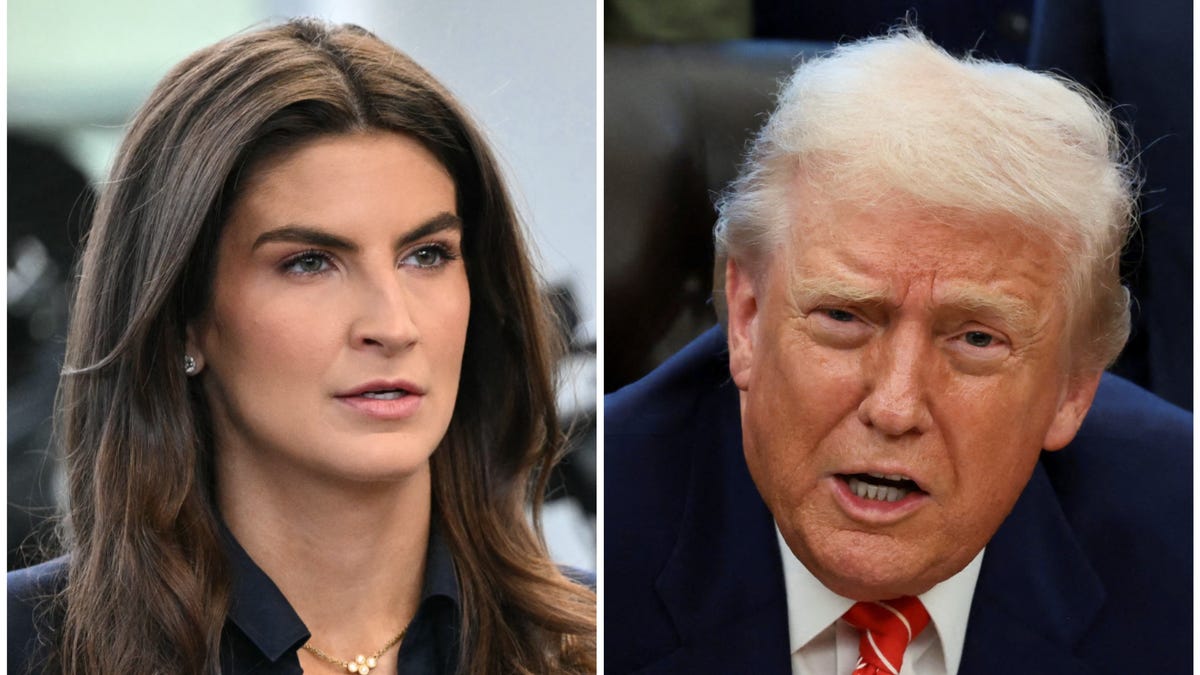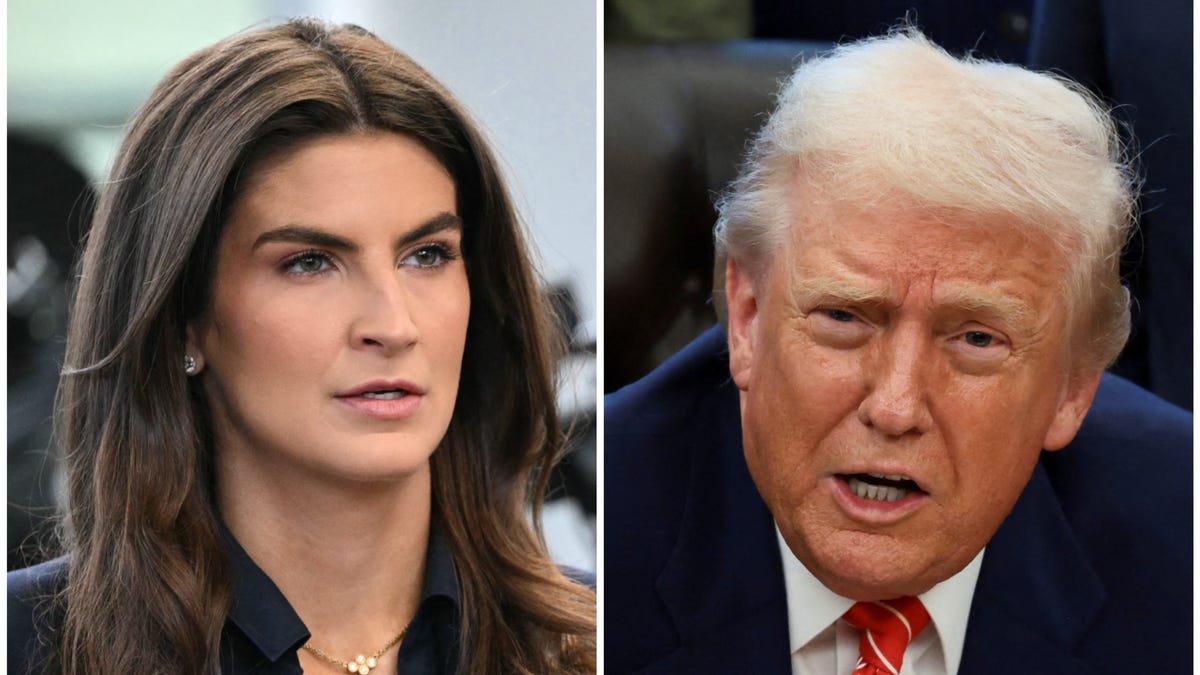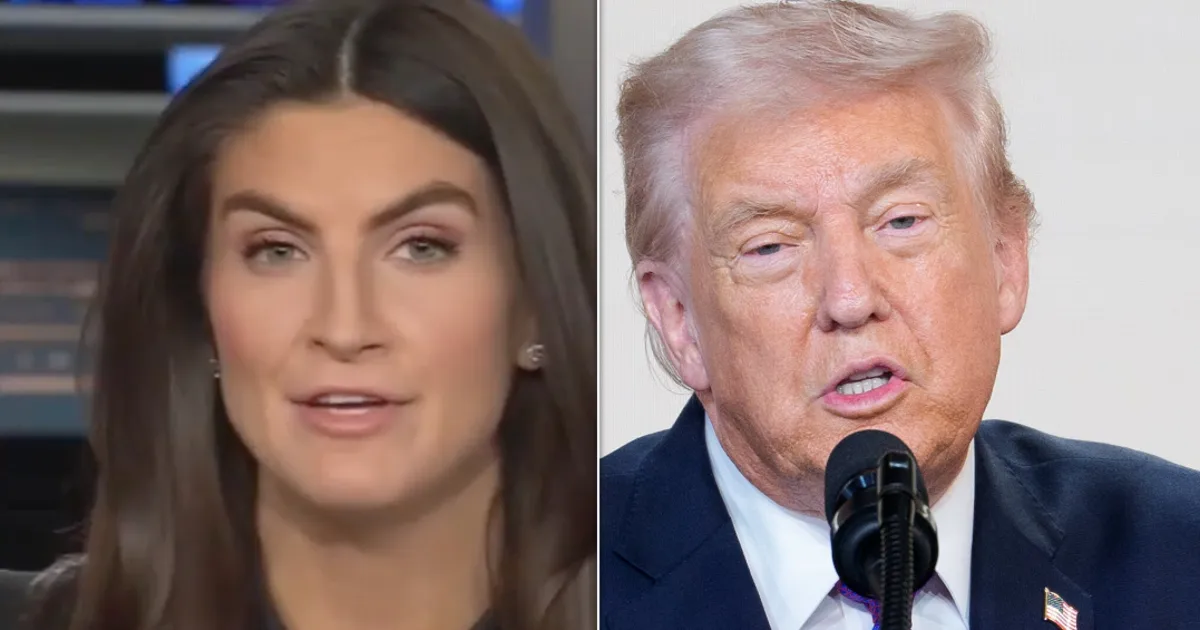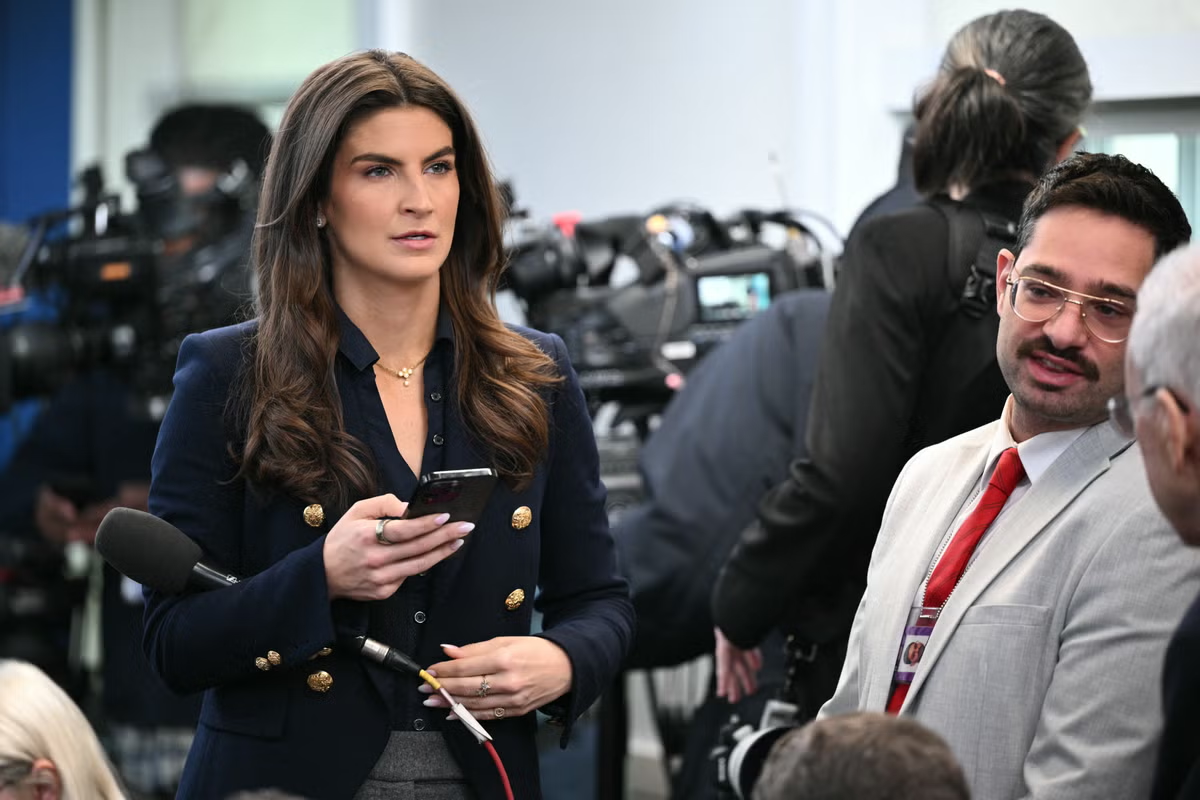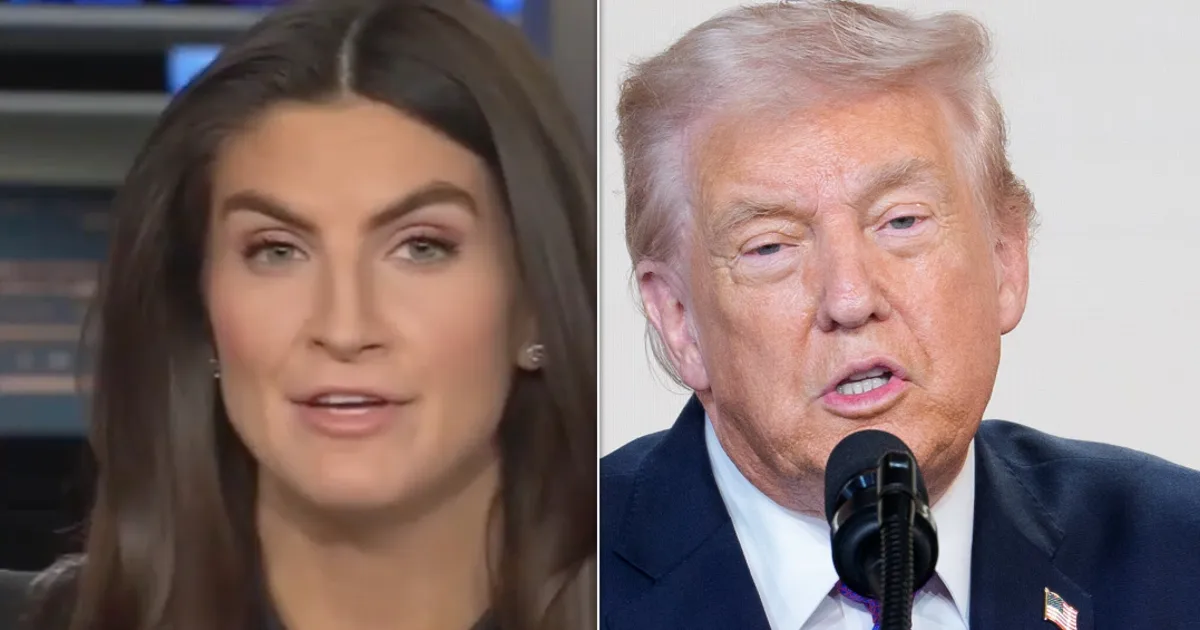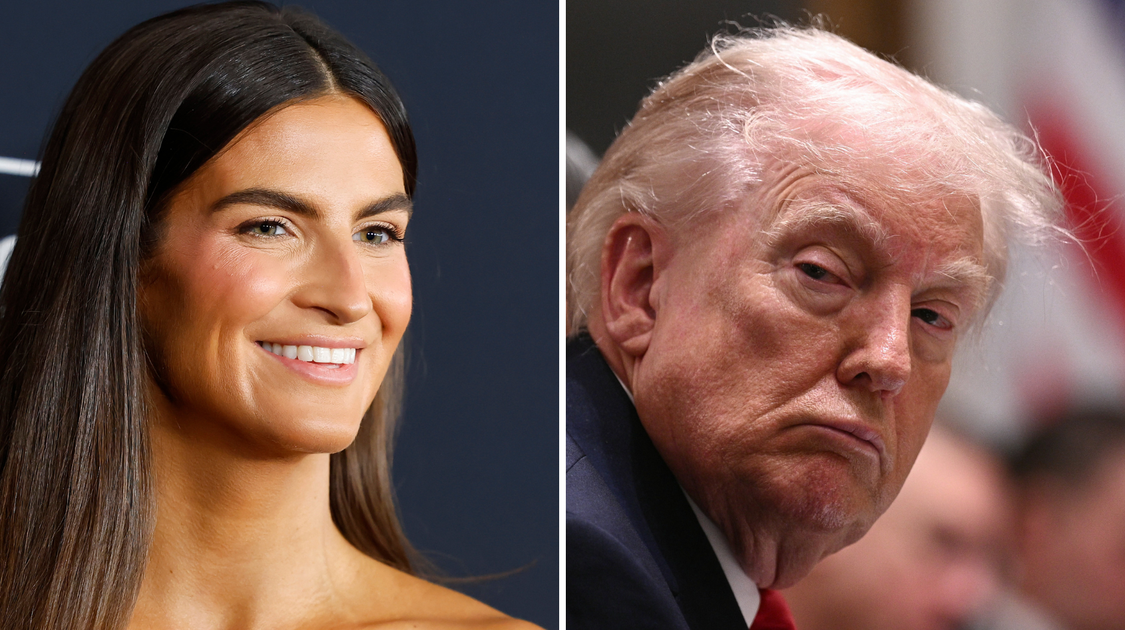
By now, you’ve likely seen the heated exchange between CNN White House correspondent Kaitlan Collins and President Donald Trump on Tuesday night that left the president fiercely criticizing the journalist’s lack of smiles (in his opinion) after she asked him a question about the victims of Jeffrey Epstein getting justice. While there’s much to be said about Trump’s conduct (particularly when pressed about matters related to his former friend Epstein), something understated — and surprisingly useful to you, should you ever be caught in a deeply insulting, combative situation — was happening on the other side of the exchange. Getty Images/HuffpostDonald Trump's attack on journalist Kaitlin Collins fits into a clear pattern of behavior for the president.Turns out, Collins showed, via her own body language, exactly how you’re meant to square up in an adversarial conversation you cannot possibly avoid, according to Patti Wood, a body language and nonverbal communication expert and author of “SNAP: Making the Most of First Impressions, Body Language, and Charisma.” Here are a few of the behaviors Collins demonstrated that could totally be useful to you next time you’re in a tough conversation. Stand up straight. Posture and standing tall really do make a difference. One study published in the journal Psychological Science found that “expansive postures (widespread limbs and enlargement of occupied space by spreading out one’s body)” were more likely to make an individual experience “increased feelings of power and an appetite for risk” compared to more “closed” or “constricted” postures. Collins’ strong posture is one of the first things Wood noticed. “She showed some great indications of strength,” Wood said. “If you look at her posture, it was very straight — up and down. She didn’t lean back. She didn’t lean forward. I call it ‘standing in place’ or ‘standing in strength.’”Wood notes that she watches a lot of these conferences and official briefings and that strength isn’t always present in the postures there. “I see sometimes they’re leaning forward or they’re kind of hiding themselves with their pad, there’s a lot of things I see that show fear,” Wood said. “She’s not showing that [fear].”Try to keep your voice even and consistent.In a situation where someone is belligerent with you, it’s hard to keep your cool. Your voice might speed up, you can get nervous and stumble over your words, you can have a radical, noticeable shift in tone that makes distress obvious. Some people might even cry from the frustration.Yet it’s a notable strength signifier if you are able to stay regulated and keep your cool.“Overall, there was strength in her voice,” Wood said. “No matter what he said, there was strength. She was stating questions, she sped up a little bit, she had a question mark at the end. But, other than that, she didn’t show signs of fear.”And, noticeably, even while being berated, her voice stayed steady. “She didn’t raise her voice. She didn’t lower her voice,” Wood said. “She didn’t speak with pauses and caution, she just kept going — and it was quite an onslaught from him.”You don’t need to match their anger. An interesting detail Wood noticed was that Collins, who has had more than her fair share of encounters with the president, offered a gesture that could be seen as “calming.” Despite the “onslaught” she was facing, she didn’t match the tone or attitude she was receiving.“Her first gesture, as she begins to speak, is a sort of sweep downward toward him,” Wood said. “I believe it’s intuitively, she’s trying to settle him down with her hand. Then the next gesture is sort of a sweeping backward gesture. Both of those gestures are very strong. They were out, away from her body, slightly above her waist — and typically above the waist are gestures of strength.”She notes that the movements were very smooth and accompanied the words she was speaking, too — it wasn’t an uncontrolled gesture of someone who was dysregulated. Let them show the world who they are.Much has been written about how Trump has normalized and shifted the window of what is considered acceptable and professional in settings involving the presidency. There’s traditionally a lot more decorum and protocol involved, and Wood is quick to note that what we often see in situations like this — right down to the decision to be sitting at the desk in the Oval Office flanked by his team — is just “not normal.” Trump’s conduct with journalists — especially female journalists — is documented and troubling. But there’s something to be said for allowing someone to show who they are and demonstrate their own patterns.In this case, given the nature of a question about getting justice for the victims of Epstein and his insistence that journalists and Americans “move on” is telling in its own way. “He’s saying his standard lines, but in his voice, it’s clear he’s losing his power — and that’s when he made the move to attack her,” Wood added. “His pattern is to attack when he feels like he’s losing power.” And, as the saying goes, a hit dog will holler.“The weird thing is he’s looking for the other people to join in,” Wood said, “And that is particularly unsettling for us. I’m sure for any woman that’s ever been verbally or physically attacked by a man, it just triggers that feeling of ‘ugh.’”
Kaitlan Collins' Body Language In THAT Trump Exchange Was A Master Class In Dealing With Bullies
Even while being berated, her voice stayed steady.
895 words~4 min read