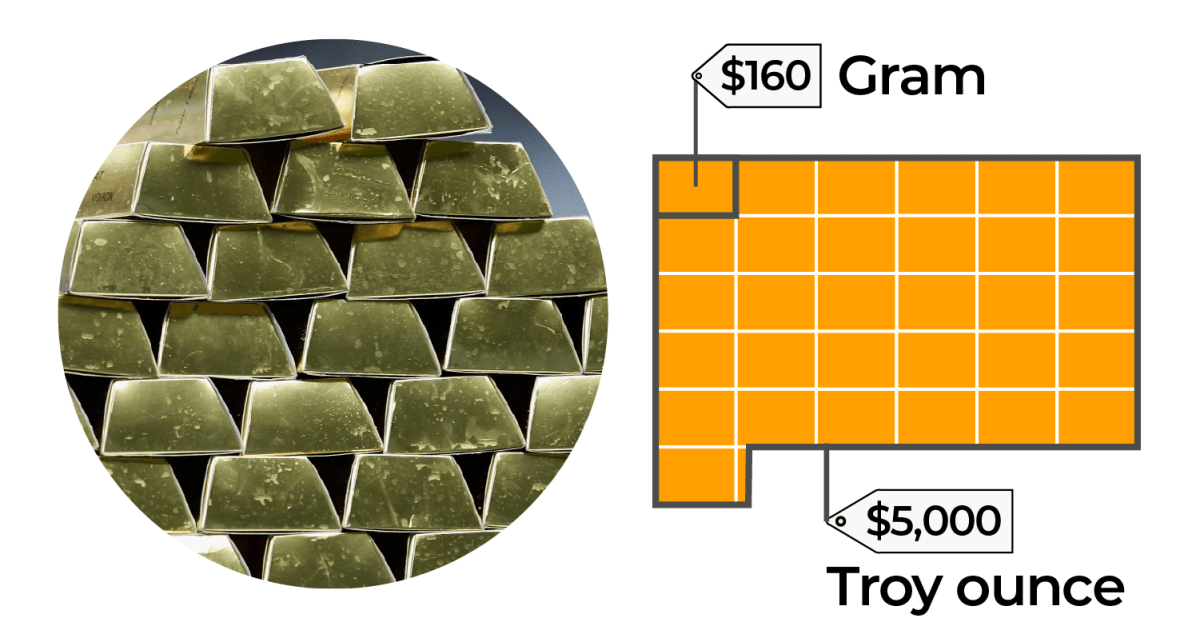
LONDON: When the price of gold surpassed $5,000 an ounce for the first time on Jan. 26, collectors of old coins were likely weighing up the value of their collections — nowhere more so, perhaps, than in the Middle East and India, where one coin in particular has attained almost mythical status.
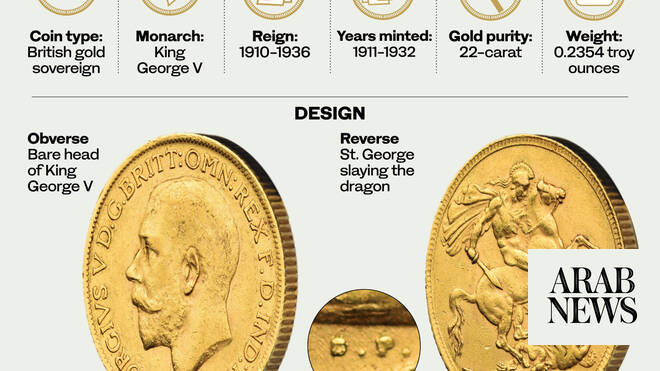
Between 1911 and 1932, tens of millions of the George V gold sovereign were minted, predominantly at the Royal Mint in London, which struck about 123 million of the coins, but also at “colonial branch mints” in Bombay, Ottawa, Pretoria, Melbourne, Perth and Sydney.
A genuine sovereign will weigh 0.2354 ounces, which by bullion weight alone made each one worth about £1,250 ($1,717) on Jan. 26. But experts say many other factors come into play when valuing a gold sovereign, including history, rarity, and whether or not it’s a fake.
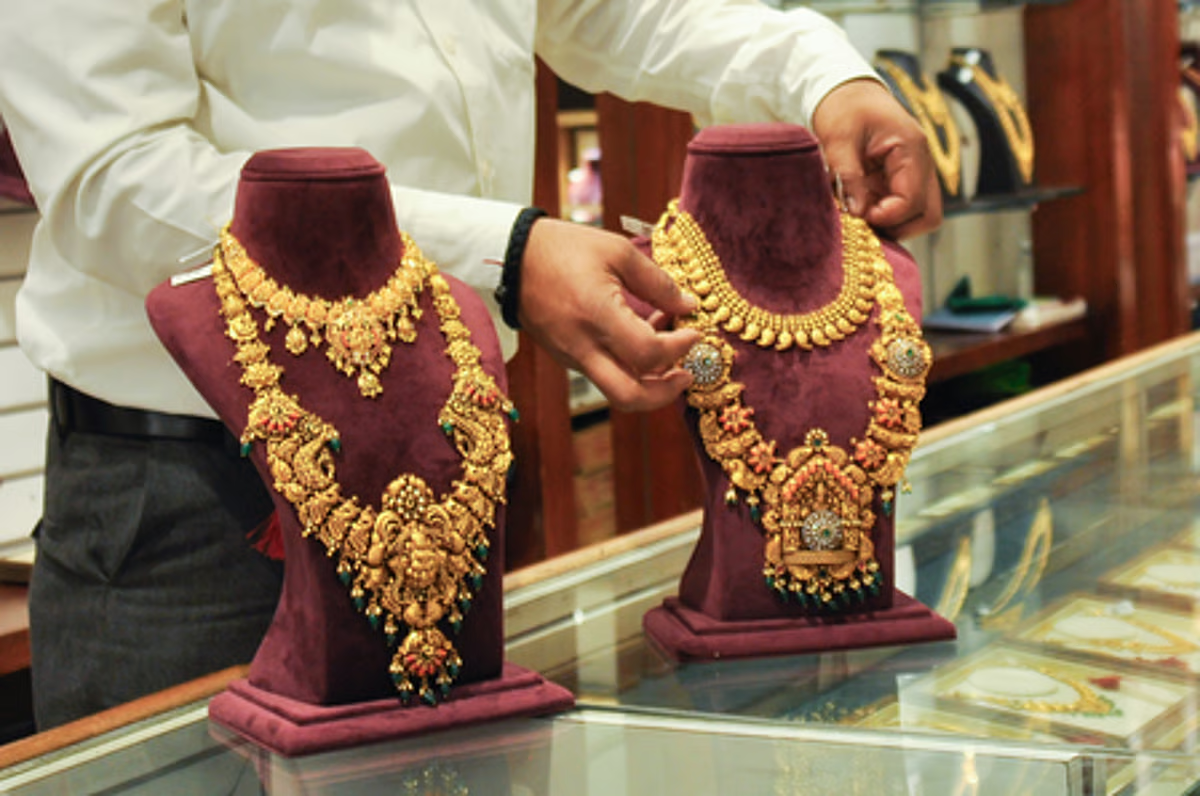
For years, the George V gold sovereign has been prized throughout the Middle East, either as a collectible in its own right or adapted as a piece of jewellery, often mounted in a pendant frame and hung from a chain.
There are several reasons why the George V sovereign is so popular in the region, Chris Barker, research manager at the Royal Mint, the UK’s official maker of coins since about 1279, told Arab News.