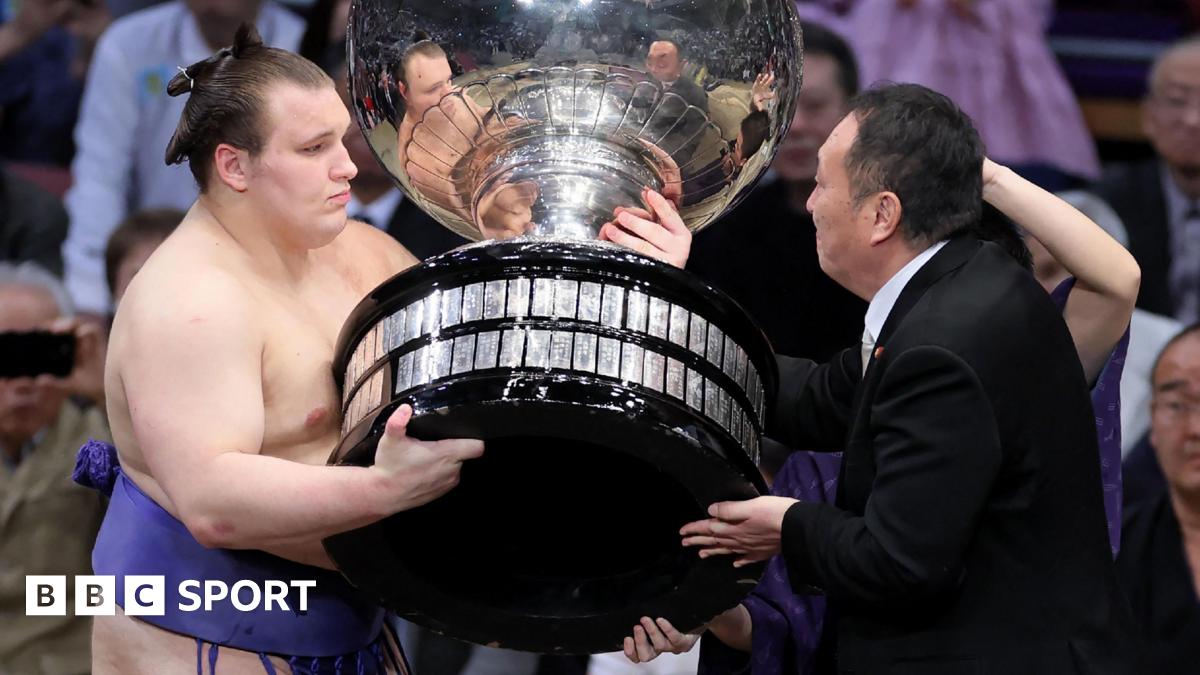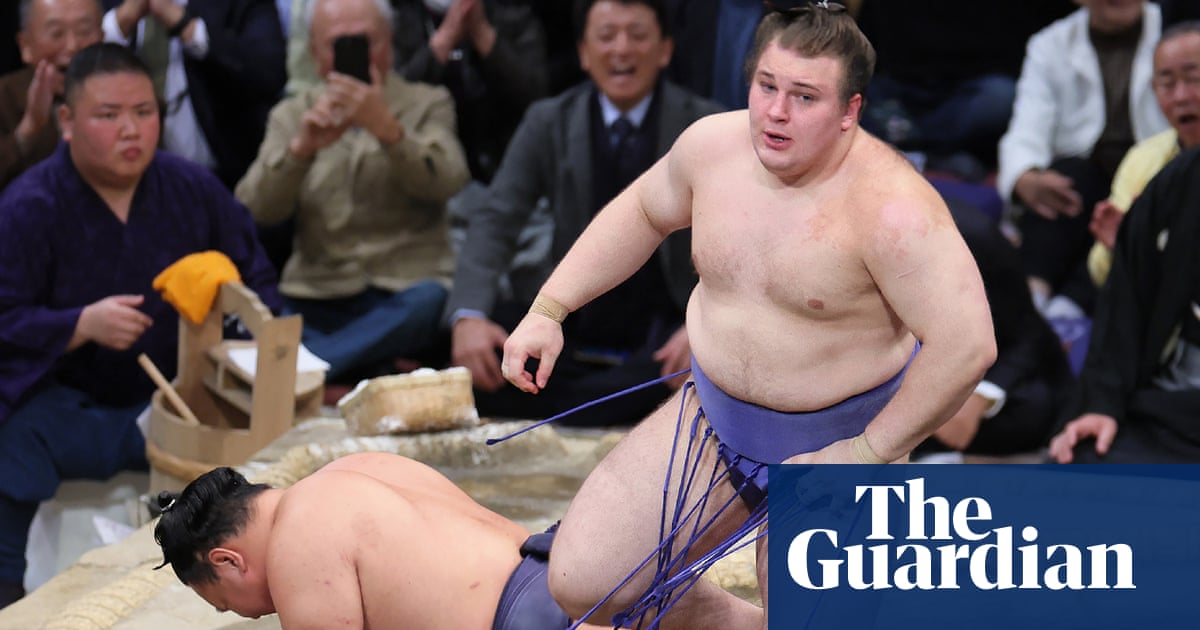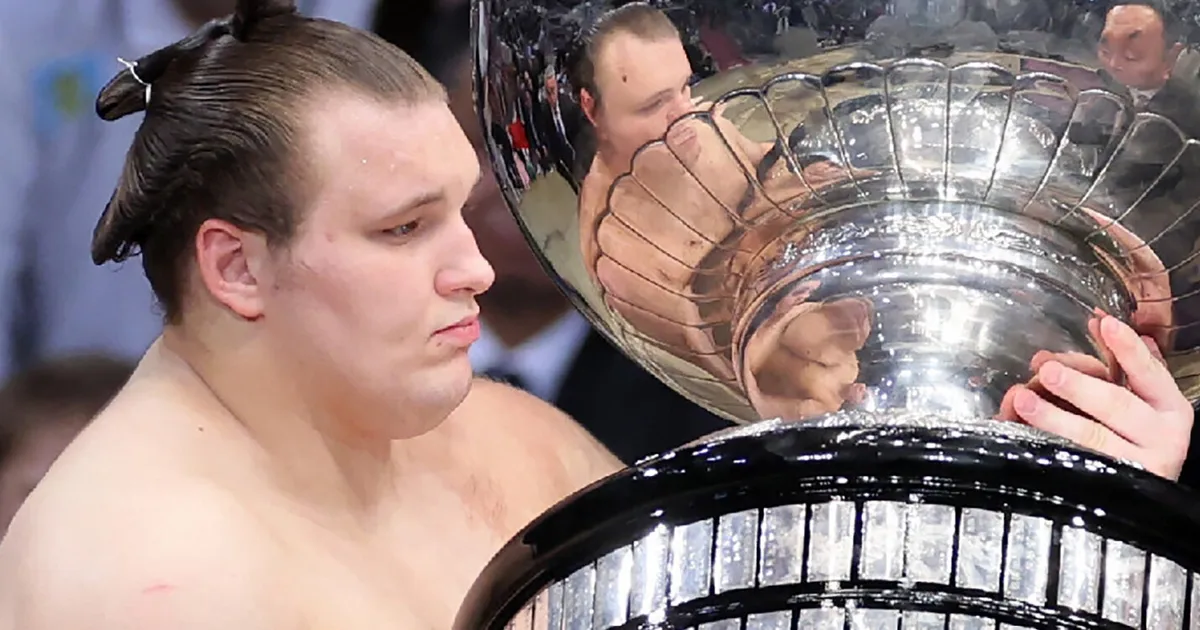
The 21-year-old, who is close to becoming the first European yokozuna or grand champion in Japan, is motivated by messages from his war-torn home
T
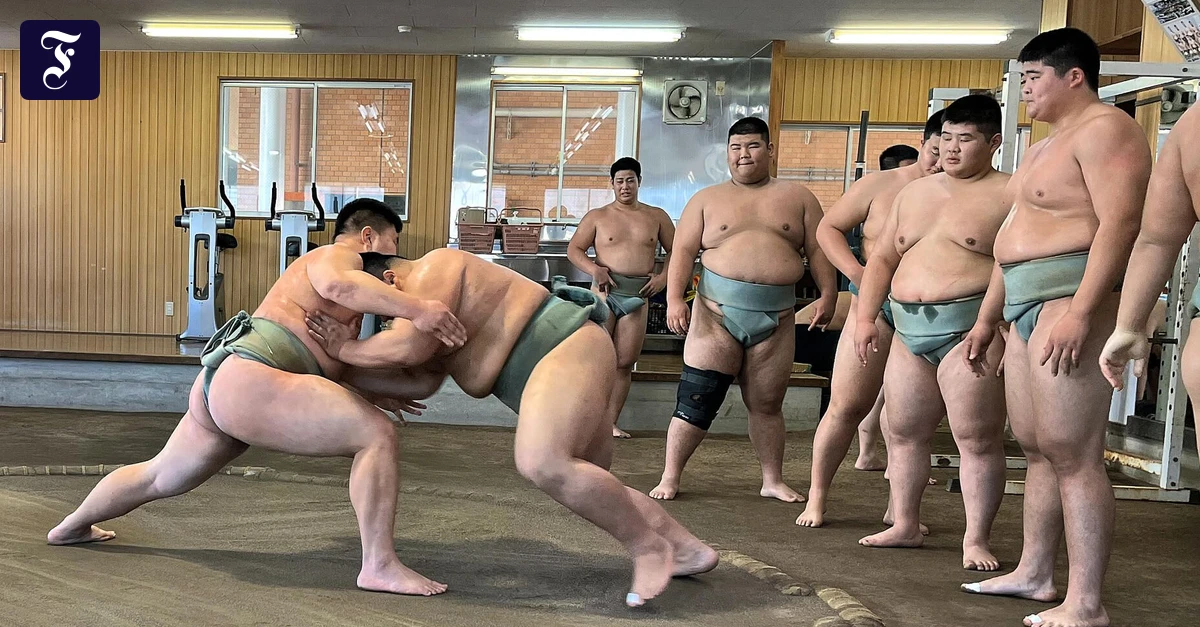
he swish of feet on clay and sand has a soothing, rhythmic feel, as wrestlers at a sumo stable in Tokyo propel themselves across the ring, their bodies low, eyes fixed on an imaginary foe. But by the time their morning training ends an hour later, all but one of the rikishi are bathed in sweat, gulping lungfuls of air, their strength waning with every shove.
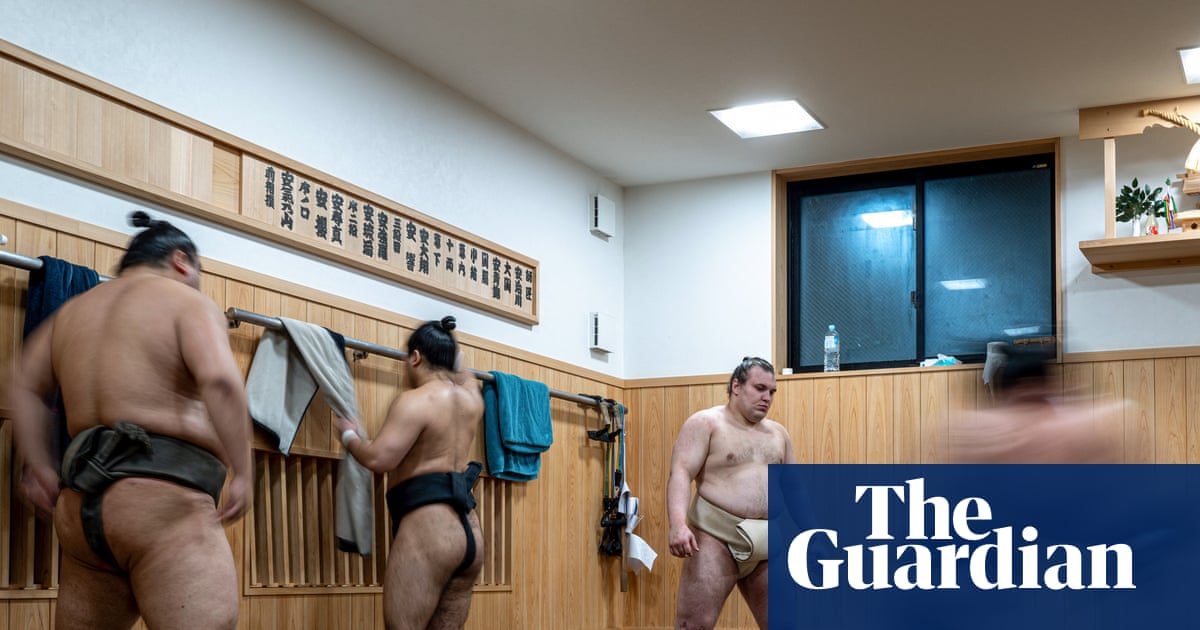
Just one wrestler has spent all but the final minutes of the session at the side of the dohyo ring, guiding his stablemates with words delivered with economy and purpose. After the group bow to a miniature Shinto shrine on the back wall, they gather around their mentor in a communal expression of gratitude.
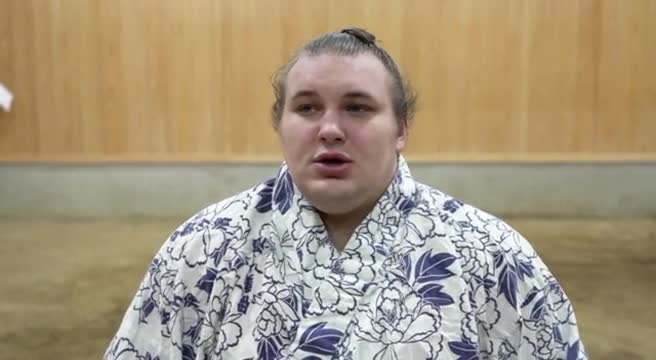
Four years ago, he went by the name Danylo Yavhusishyn, a teenage refugee from the war in Ukraine who arrived in Japan unable to speak a word of the language, and uncertain of how his separation from his family would work out.