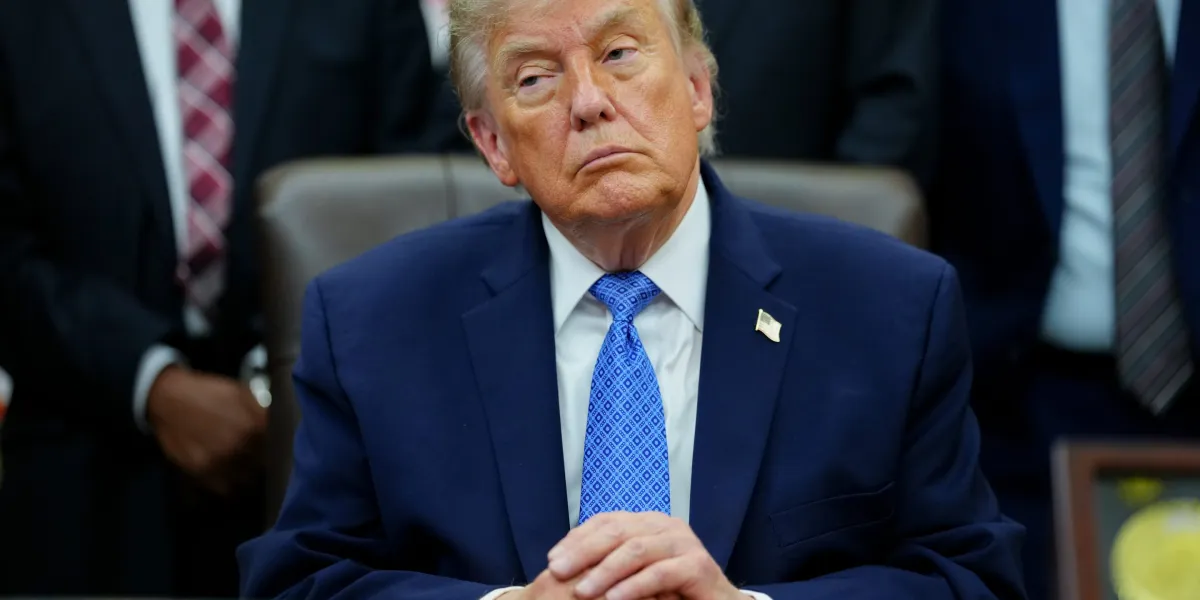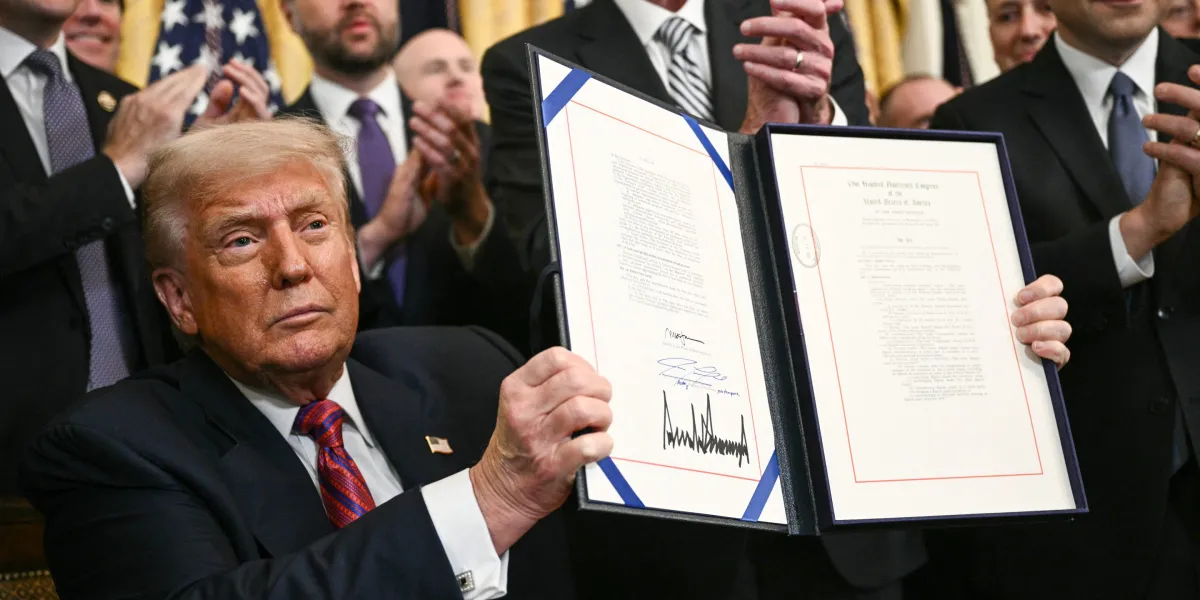
Just over a year ago, I stood in a gilded Washington, D.C. ballroom during inauguration weekend, surrounded by the blockchain industry’s top executives and investors. They had traded in their hoodies for tuxedos and gowns, celebrating the ascension of the first “crypto president,” Donald Trump, who had embraced the once-renegade sector on the campaign trail. But halfway through the night, whispers began spreading through the crowd that Trump, who was not in attendance, had launched his own memecoin. Around the end of a DJ set by Snoop Dogg, the Trump coin had crossed $1 billion.
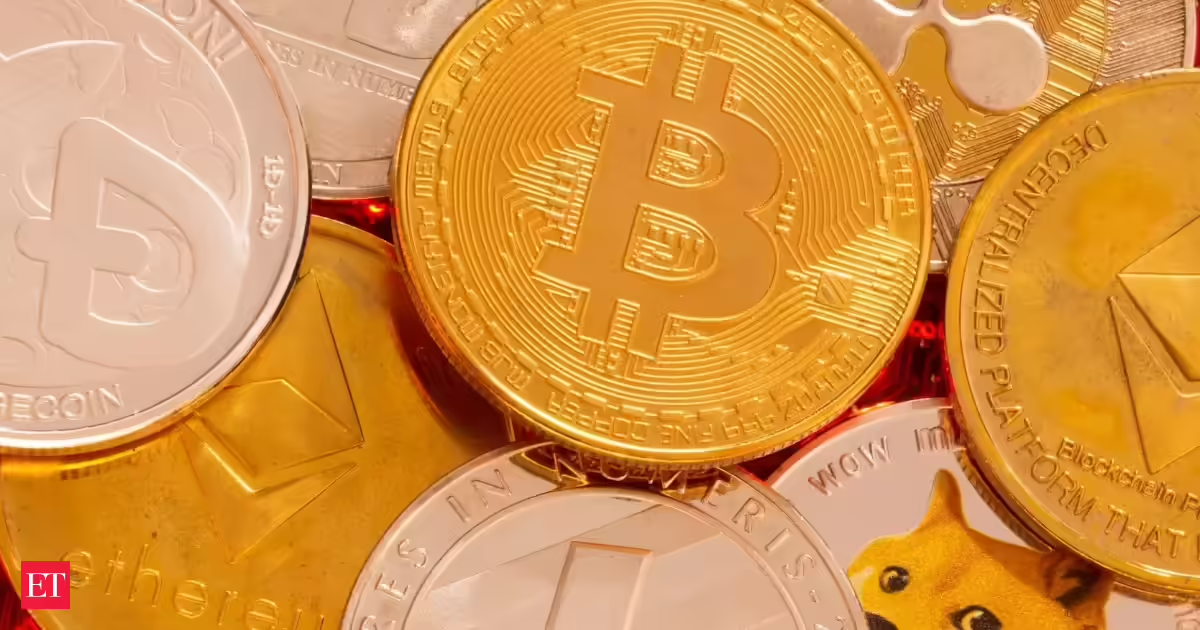
Some of the shrewder members of the audience immediately clocked what was happening. Trump, who has made a career out of branding everything from casinos to steaks to unaccredited colleges, was doing the same with crypto. Would Trump’s latest business venture go the way of Trump Tower or Trump University?
As we quickly found out, the quality of the Trump family’s crypto endeavors was almost a red herring (though we have reported closely on it, including in my colleague Ben Weiss’s terrific new feature on American Bitcoin). Instead, ethics watchdogs have argued that Trump has used his blockchain businesses as a way to sell access. But unlike concerns during his first term that foreign dignitaries could book rooms in Trump hotels, which taught the term “emoluments” to millions of Americans, now anyone with an internet connection could effectively wire Trump millions of dollars by setting up a digital wallet and reap the rewards. His top memecoin holders enjoyed a private audience with the president last May, though they weren’t all pleased by the food they were served.