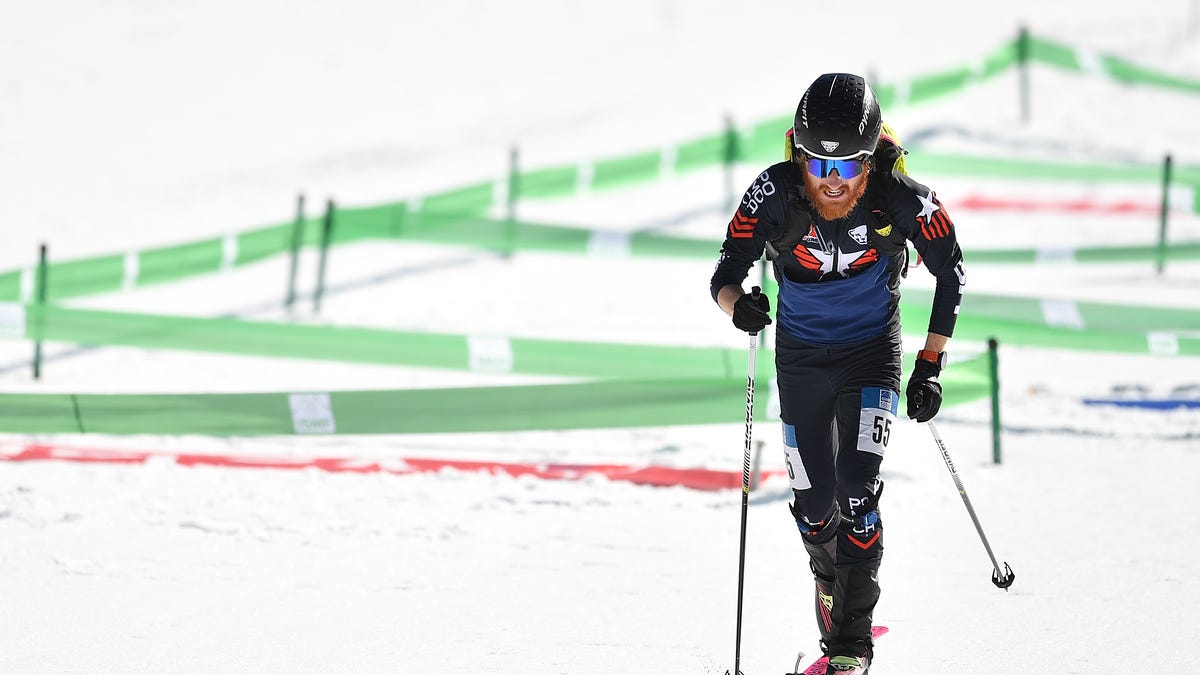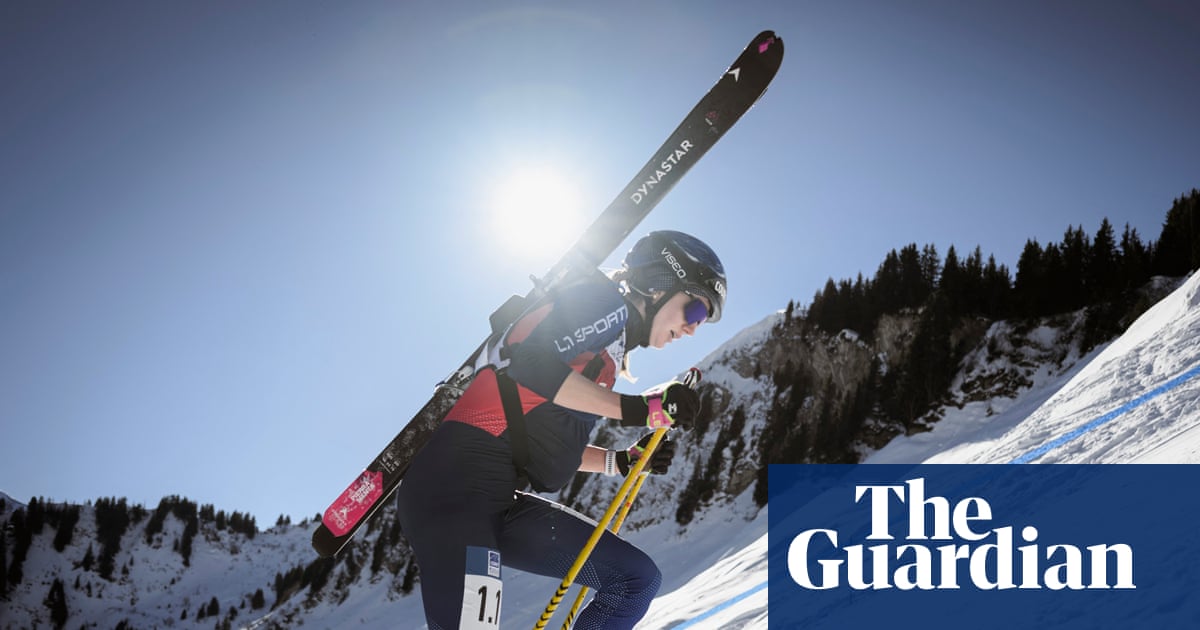
The Games’ newest sport combines the seemingly impossible task of ascending a mountain on skis with hiking and then a rapid descent
N
o one could suggest that the Winter Olympics are lacking in challenge. Skiers zipping down the slopes and flying through the air. Skeletons hurtling around at more than 100km/h. Ice skaters, metal-bladed, spinning, leaping and twisting. Slopestyle athletes pulling off the most outrageous tricks while landing the biggest air. But everyone from recreational skiers to the most extreme sports enthusiasts knows there is always room for more.
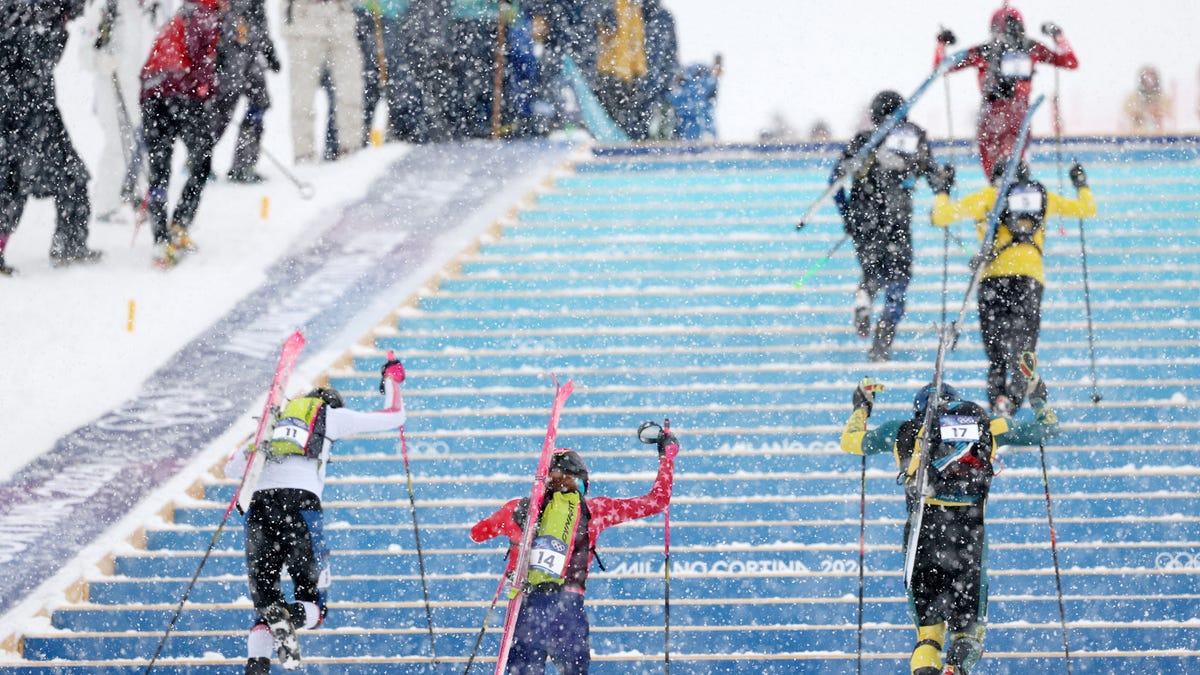
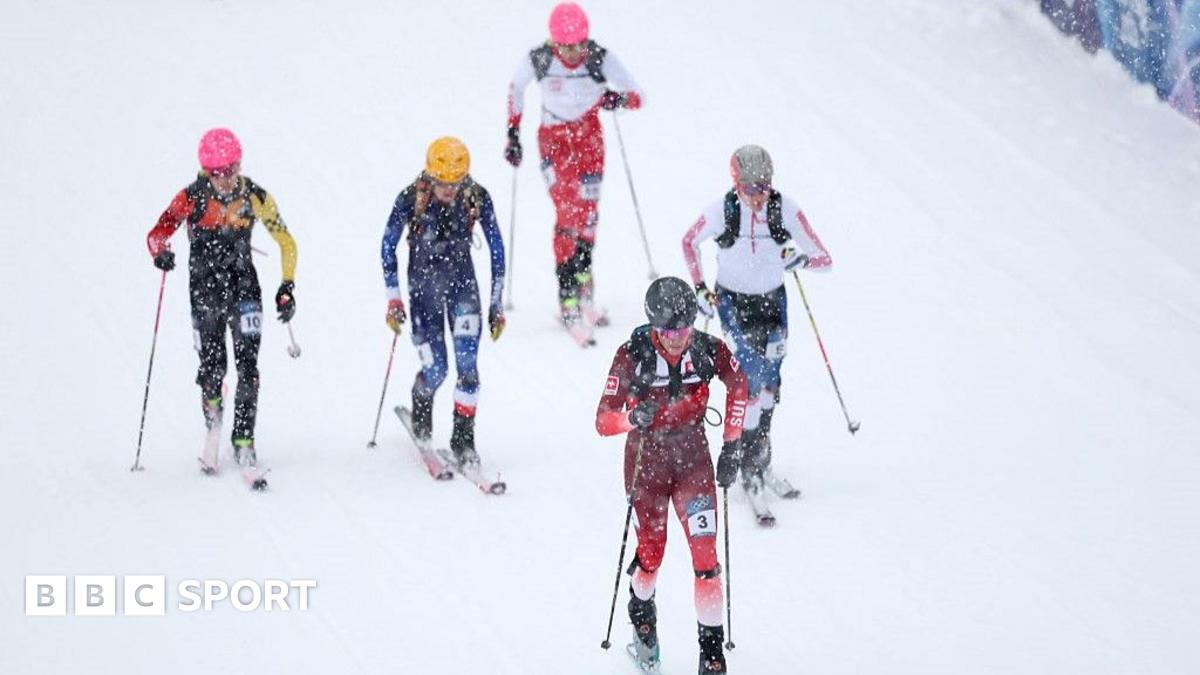
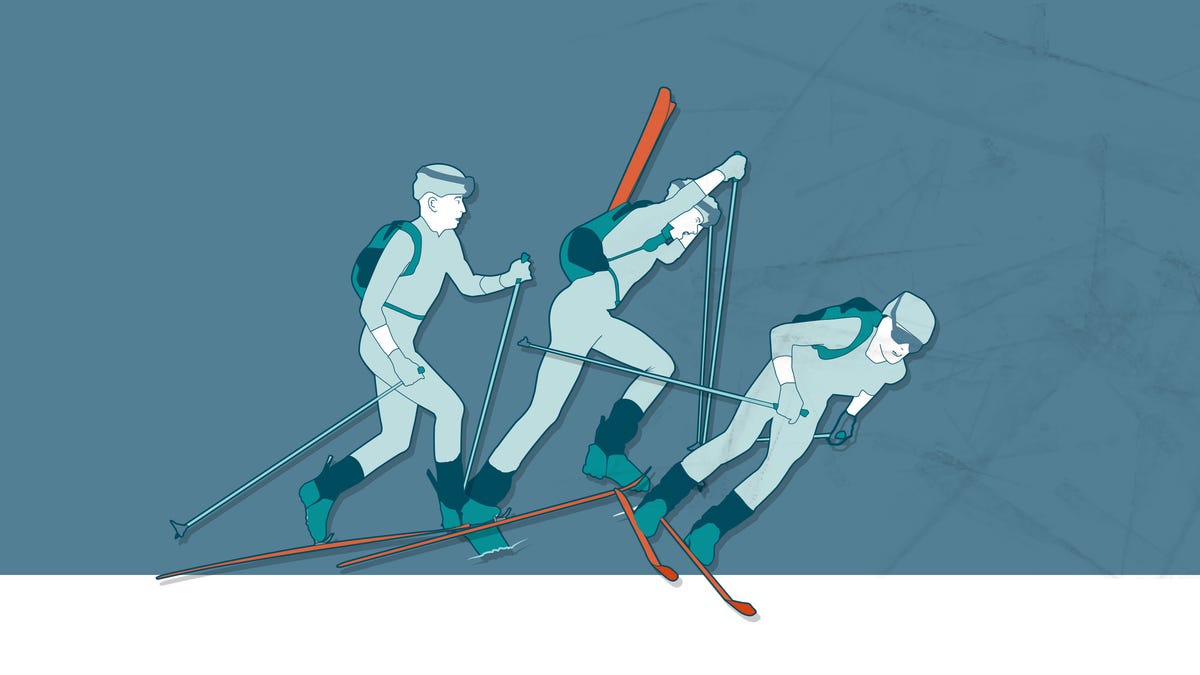
Enter the new kid on the ice block at Milano Cortina 2026: ski mountaineering. The new challenge? How about going up the mountain, hiking a bit, followed by a rapid descent on the tiniest skis possible. Before you ask, “why”? Cast your mind over the other disciplines on the schedule and remember that the answer is almost always, “why not”?
However, ski mountaineering – or skimo – in its traditional form is entirely about practicality. When skiing as a sport started to take off in the 1800s – that is, well before chairlifts existed – to traverse the slopes inevitably required uphill and downhill movement, as well as navigating rocky mountain terrain and weaving through forests. While people still do that – whether it’s ski touring or backcountry skiing – it doesn’t make for an easily digestible Olympics package. The sport had to be brought into the modern era. The International Ski Mountaineering Federation (ISMF) has created a version of the sport ready for commercialisation, accessibility and consumption – and therefore, the Winter Olympics.