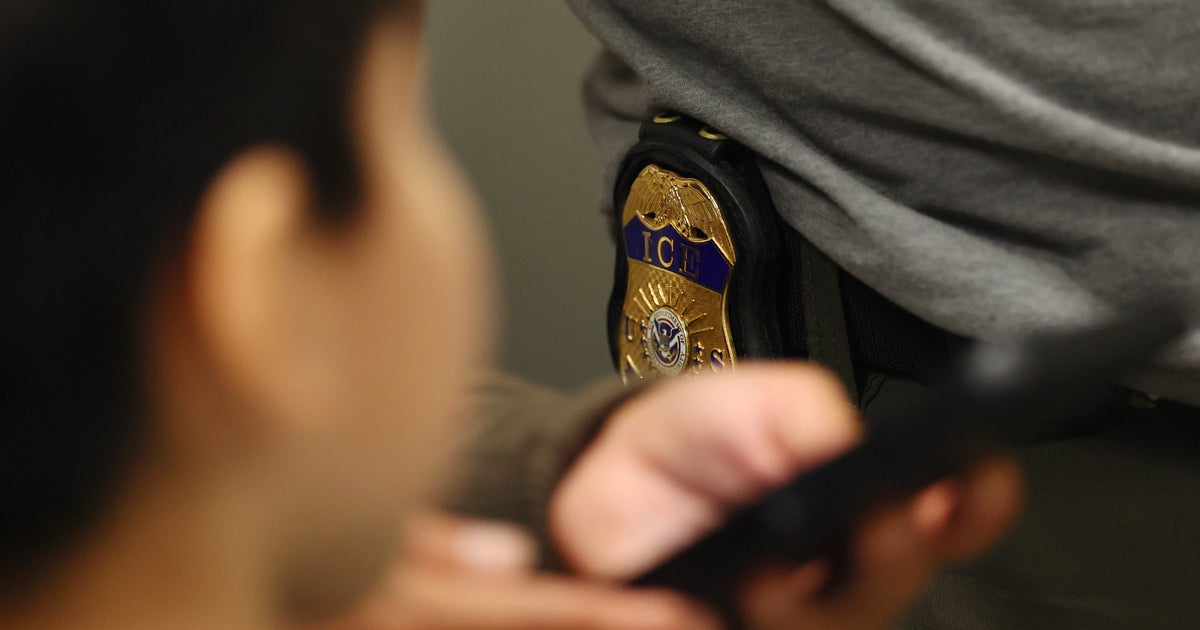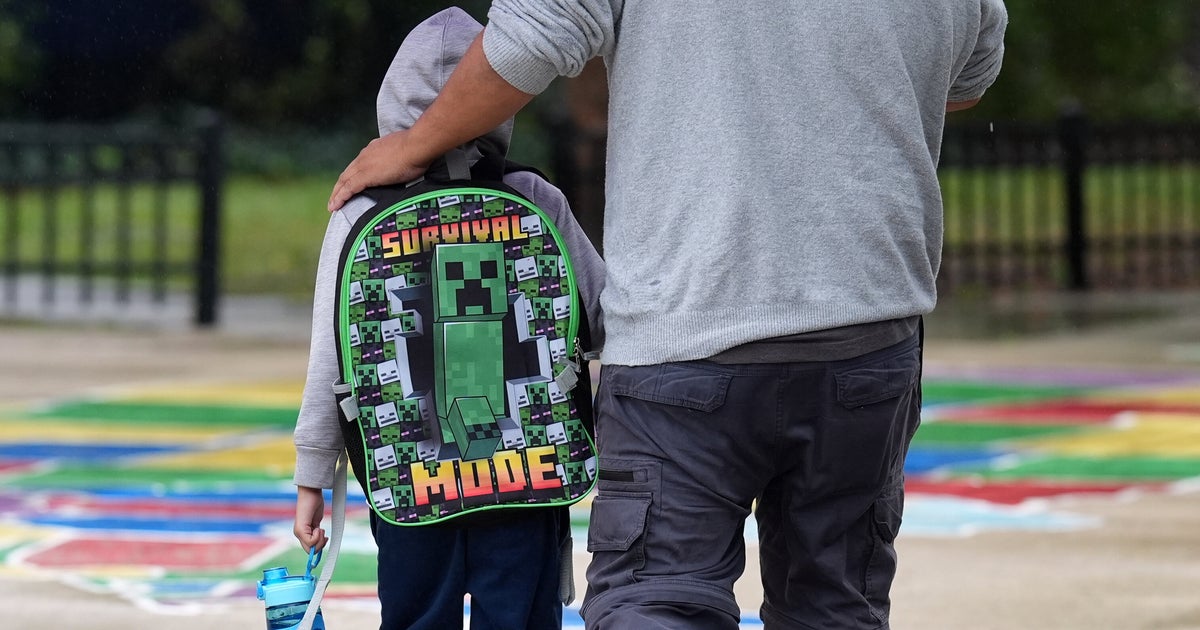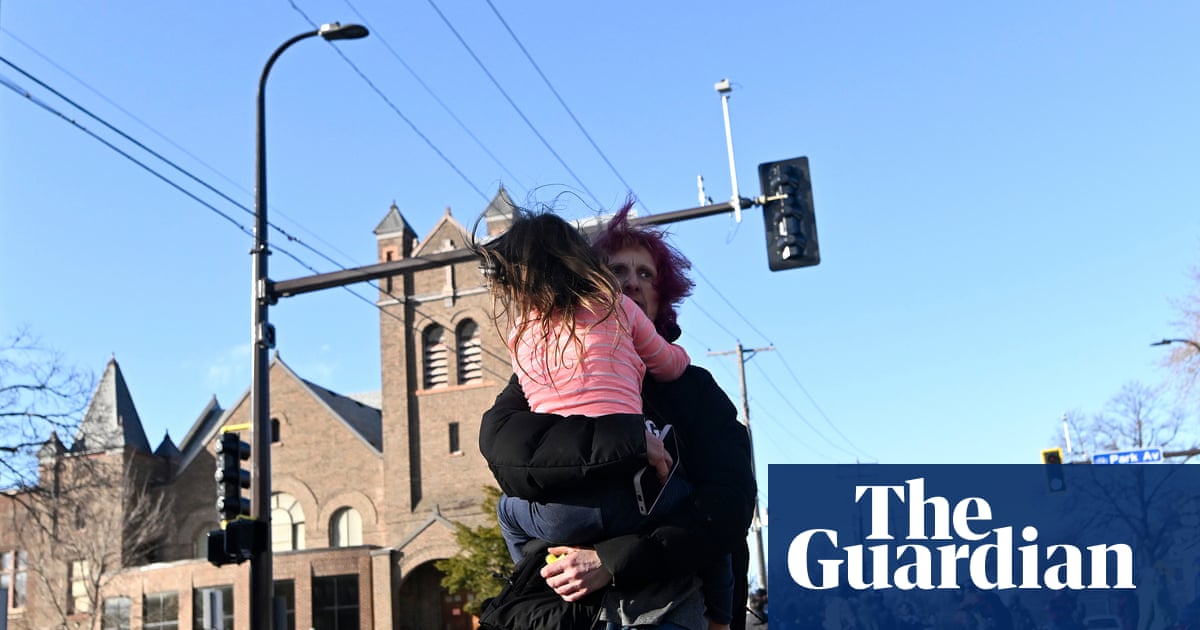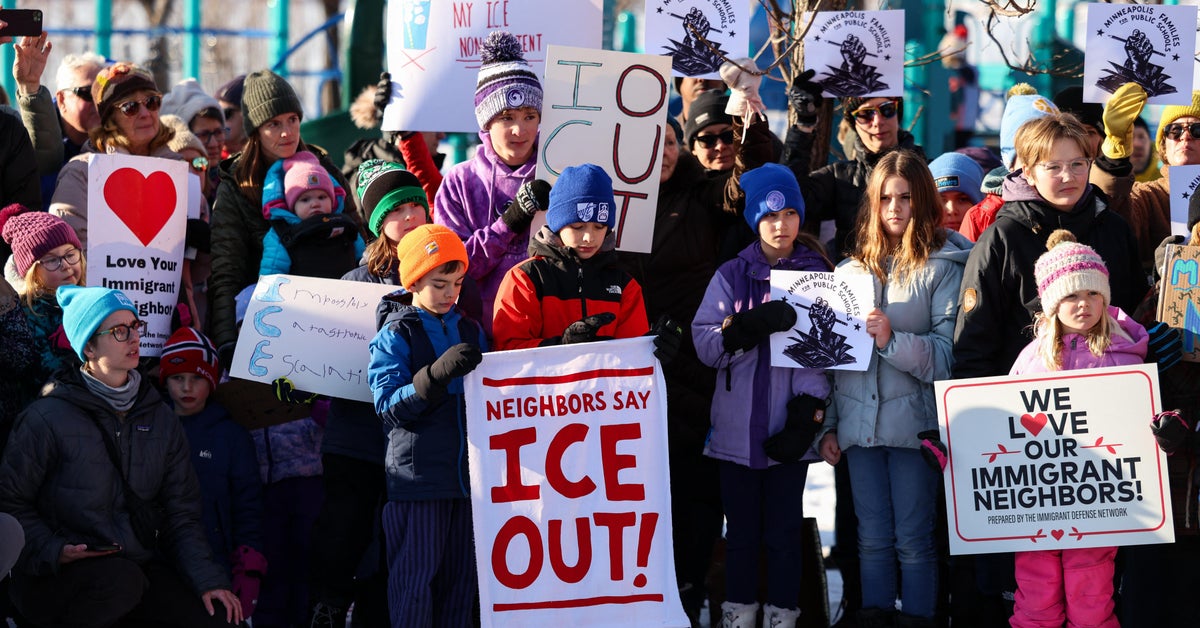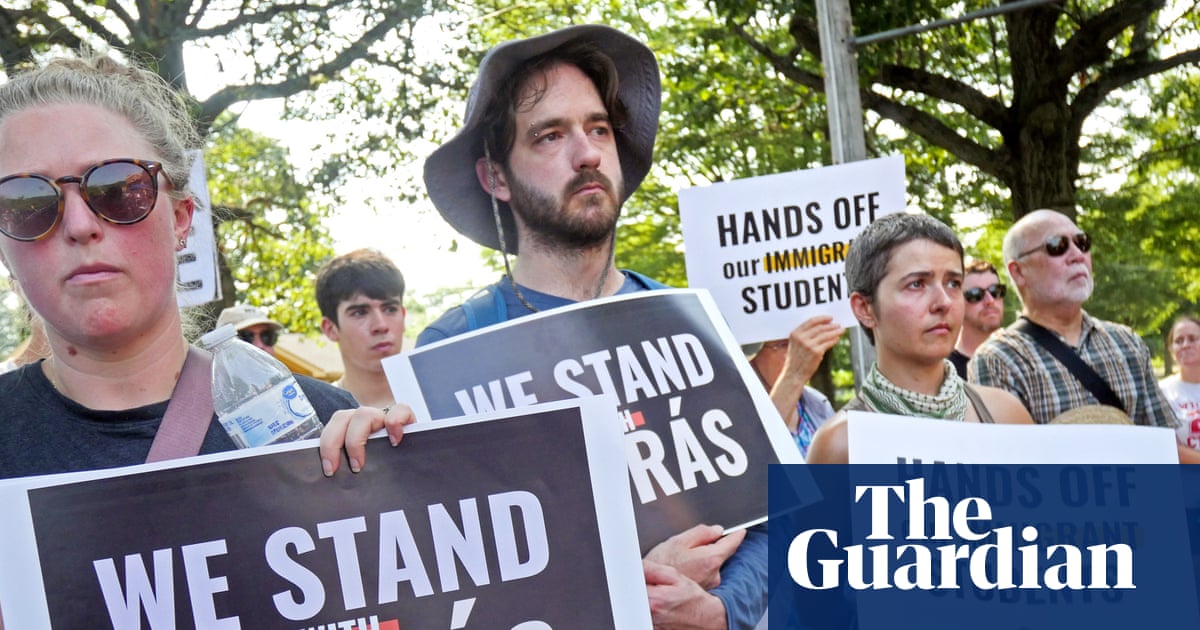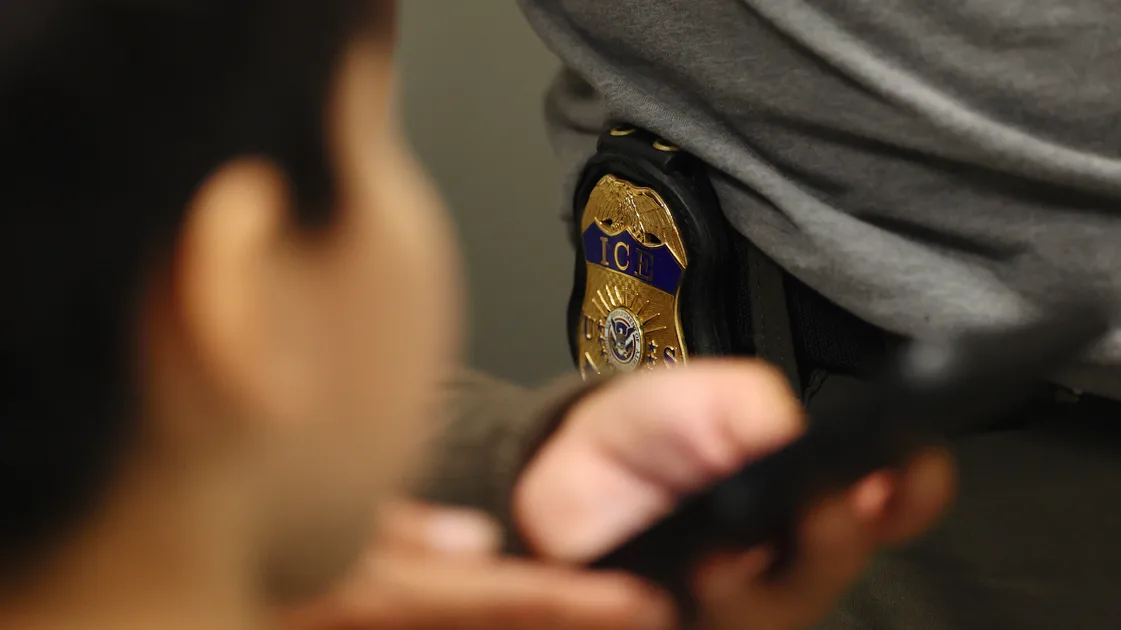
Last week, a heartbreaking video went viral of a 12-year-old breaking down as he told his mother about the anti-immigration harassment he’d just faced on the soccer field.“[The goalkeeper] said Trump is going to get me and send me back to where I used to live,” the Asian American boy tells his mom, who posted the video to remind people “how deeply our words and actions can affect one another, especially our children,” she told CBS News.“I was born in America. I don’t live anywhere else,” the boy says through tears. Family therapists say bullying experiences like these are becoming increasingly common as U.S. Immigration and Customs Enforcement escalates deportations in blue states across the country. “Kids are feeling the impact of the anti-immigrant rhetoric that’s fueling ICE raids and violence toward immigrants,” said Sofia Mendoza, a trauma therapist in Long Beach, California. “Some kids have definitely talked about peers calling them names or being told ‘what President Trump will do to you’ at school, like the child in the video.”For kids of immigrants, there’s understandably an outsize fear of their parents being deported. “I’ve had clients share that their children worry about coming home to an empty house, ask whether their parents will still be there after school, or express fear about family members being ‘taken away,’” said Alejandro Sandoval, a marriage and family therapist working just outside Los Angeles. @jessicayellin/InstagramA viral video shows a young boy in tears as he tells his mother he was harassed with anti-immigrant comments while playing soccer.All of this is happening as ICE has intensified its presence near schools: For decades, the “sensitive locations” policy restricted immigration enforcement near schools, child care centers, churches and hospitals, but those protections were rescinded in January 2025.Last week, national outrage erupted over the detention of Liam Conejo Ramos, a 5-year-old Minneapolis boy who was grabbed from his driveway after school while wearing a blue bunny hat with long tassels and a Spider-Man backpack. Earlier this week, a federal judge ordered the release of Liam and his asylum-seeking father from the ICE detention center in Texas where they had been taken. In places like Los Angeles and Minneapolis, parents are organizing patrols to protect students from federal agents who’ve been known to circle schools or park near bus stops.Widespread fear of arrest is leading some immigrant families to keep their children home. In Columbia Heights, a community directly north of Minneapolis, about 20% of the school district’s students have enrolled in virtual school over the past month, the superintendent told HuffPost last week. Needless to say, grappling with all of this has had a huge effect on children’s mental health, Mendoza said. “Witnessing or hearing about ICE raids might show up in children in increased separation anxiety — a deep fear of being separated from their caregivers,” she told HuffPost. “Others may have nightmares or troublesome dreams, regressive behaviors such as clinging to parents more, sleep disturbance, toileting regression, irritability or low frustration tolerance.”While it’s easy to feel overwhelmed or powerless raising kids in circumstances like these, therapists say there are ways to support your children if you sense they’re stressed about ICE activity.OCTAVIO JONES via Getty ImagesHigh school students gather for an anti-ICE protest outside the state Capitol in St. Paul, Minnesota, to call for an end to federal immigration detentions and enforcement actions.Don’t avoid talking about it.Uncertainty fuels anxiety more than information does, said Jennifer León Salinas, a trauma-focused family therapist in Los Angeles. When adults avoid these conversations, children often fill in the gaps with worst-case scenarios from peers, social media or the news.“Offering clear, honest, age-appropriate explanations helps reduce catastrophic thinking and restores a sense of predictability, power and presence,” she said. “Education does not increase fear. It organizes it.Create a safe space and validate.When children don’t feel emotionally safe, they often internalize their fear and stay silent. Validating whatever your kids do share — even something as simple as saying, “Thank you for telling me what you’re scared of” — can reduce shame and signal to a child’s nervous system that it’s safe to speak up, León Salinas told HuffPost.“Feeling heard is the foundation for regulation and trust, so saying something like, ‘it makes sense that this feels scary’ or ‘I want to understand what worries you and how I can help you feel safe’ can make a difference.”Be honest but calm when you talk to them. Chances are, you’re worried about what’s going on, too. It’s OK for you to show some of that emotion in front of your child in a healthy way. Children don’t need adults to be fearless, León Salinas said, they need adults who can feel fear and still remain present and grounded.“Name emotions honestly,” she said. “Maybe you tell them, ‘This makes me feel scared too, and I’m taking care of myself so I can take care of you’ teaches children that fear can be mobilized, manageable and shared.’”That said, it’s important that you stay calm and emotionally regulated as you touch on those points, said Gabrielle Zhuang-Estrin, a clinical social worker who works with many immigrant families in Los Angeles. “We may be dysregulated by something we have just seen or heard,” she said. “Find your own center and be steady and calm when speaking to your child. It is key that you emphasize that they are safe and they are also safe to ask more questions or express more emotions with you.” Edgar Barragan Juarez via Getty Images"Limit exposure to news and adult conversations around them; repeated exposure can retraumatize children and make the world feel unsafe and unpredictable," said Alejandro Sandoval, a marriage and family therapist working just outside Los Angeles.Avoid overexposure to the news. Kids need honesty, but they don’t need all the details, Sandoval said. “Share what’s relevant in simple language and correct misinformation they may have picked up from peers or social media,” he said. “Limit exposure to news and adult conversations around them; repeated exposure can retraumatize children and make the world feel unsafe and unpredictable.”Make a plan if you need to. If a safety plan is needed for your family ― perhaps family members have different citizenship or immigration status ― Mendoza said to let your kids know what it is, and who will be taking care of their basic needs. “Older teens can be given legal documents in case they are needed,” she said. “While this might be initially scary, this is a reality for a lot of families. Knowing that a plan has been made and there are adults who are on board to help them can help them ease fears a bit.” Karl Tapales via Getty ImagesTeaching simple grounding, breathing and safety strategies gives children tools they can use in real time, especially at school or when parents are not present, said Jennifer León Salinas, a trauma-focused family therapist in Los Angeles.Make an extra effort to connect with them and do lighter activities together. “As parents, these are moments when we can be intentional with our time and presence with our children,” León Salinas said. “Teaching simple grounding, breathing and safety strategies gives children tools they can use in real time, especially at school or when parents are not present.”This is also a great time to practice co-regulation ― a fancy term for helping a child manage their emotions through supportive, calm interactions with a caregiver.“Co-regulation can take the form of quiet, shared moments such as coloring, reading, cooking, playing music, or offering a hug,” León Salinas said. “These moments communicate safety through compassionate presence rather than words. When fear is high, this kind of connection helps the body settle and restores a sense of safety.”Remind them that people are fighting for change. Alongside all of this, it’s important to give your child hope. Right now, León Salinas said, that may mean reminding children they are not alone, that many people are working to protect families and advocate for justice, and that community has power even in moments of fear.“Radical hope does not erase reality. It coexists with it,” she said. “Emphasizing collective strength helps counter isolation and reinforces that this is a shared struggle, not one a child has to carry on their own.”
Kids Are Having Nightmares About ICE. Here's What Parents Need To Know.
"Some kids have definitely talked about peers calling them names or being told 'what President Trump will do to you' at school," one trauma therapist said.
1,370 words~6 min read