G
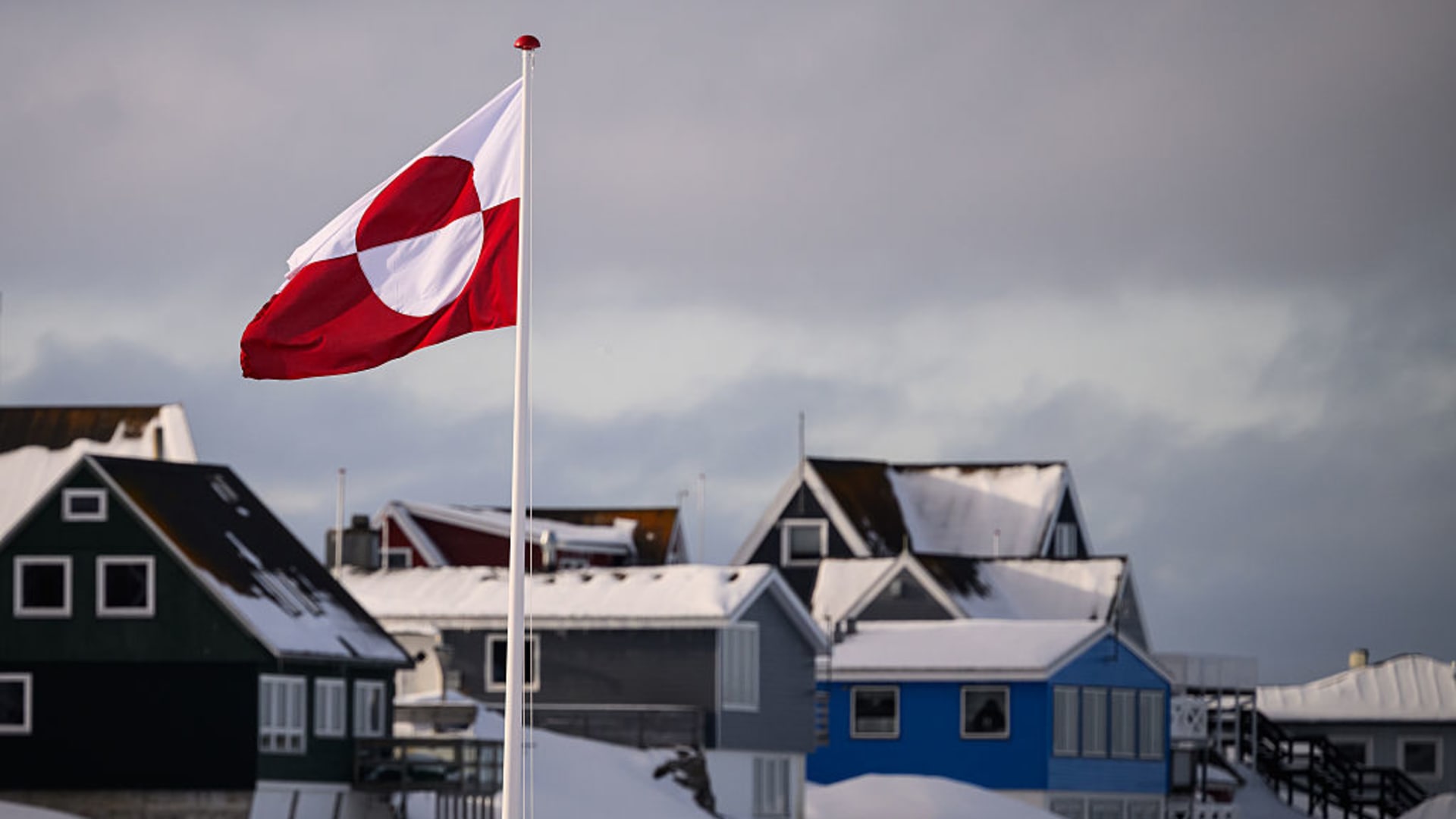
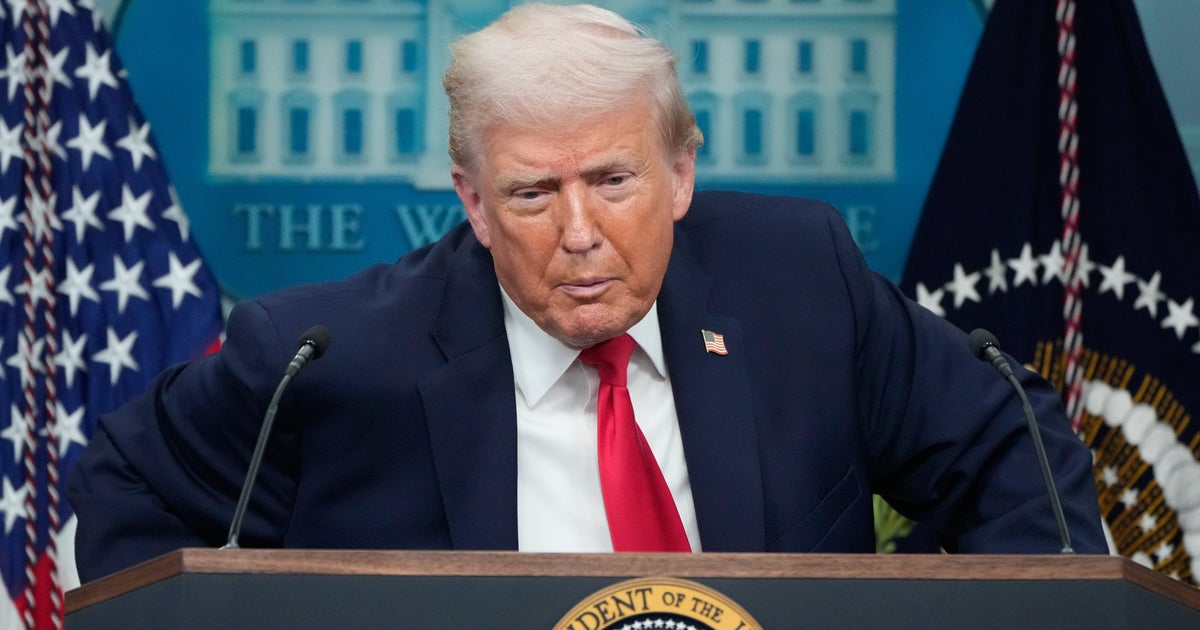
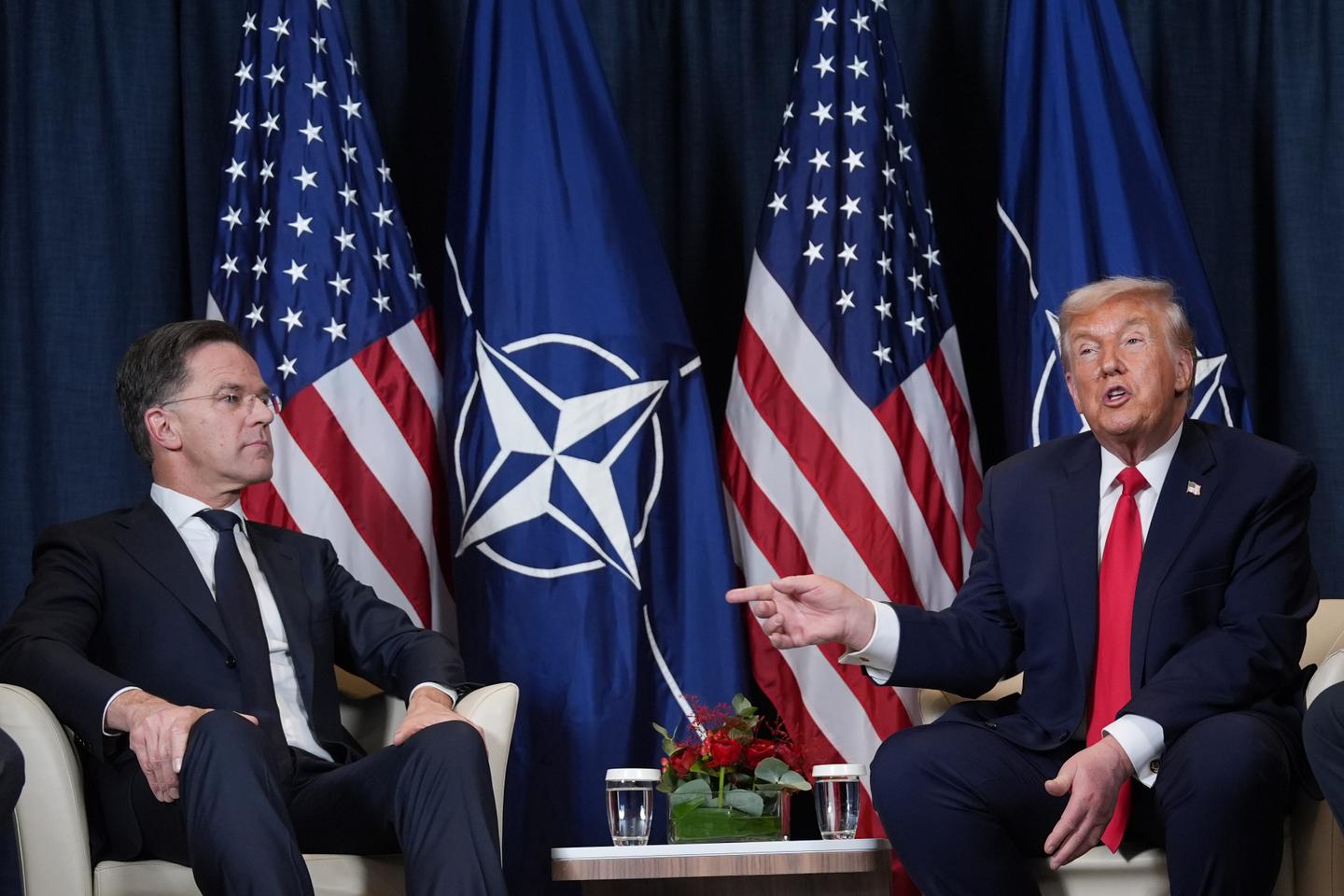
reenland cast an almost polar chill over strategic relations between Europe and the US. The North Atlantic Treaty Organization (NATO), which helped preserve seventy-six years of peace in Europe, is arguably facing the gravest crisis in its history. By railing against his partners at the end of January over this vast stretch of the Arctic region, Donald Trump struck at the heart of the defense pact forged between the US and Europeans in 1949: trust. For NATO, this shock translated into a loss of credibility that is likely to be felt well beyond the tenure of the current American president.
The drama centered on Trump's determination to annex, by any means necessary, the island covered in ice and snow for much of the year and bordering the north of the "Western Hemisphere" – an autonomous territory under Danish sovereignty. The stage was set at the Davos conference in the Swiss mountains on January 21. That day, in seventy minutes of self-congratulation, complaining and insults aimed at Europe, Trump abandoned his plan. He shelved the punitive tariffs he had intended to impose on European countries opposed to this unilateral US expansion. He announced that Washington would now negotiate a framework agreement with the parties involved in the future of what he called "this chunk of ice." But the battle left deep marks.