The capital’s hospitality industry and cultural sector is vital but ensuring democratic consent is necessary for its expansion – and survival
S
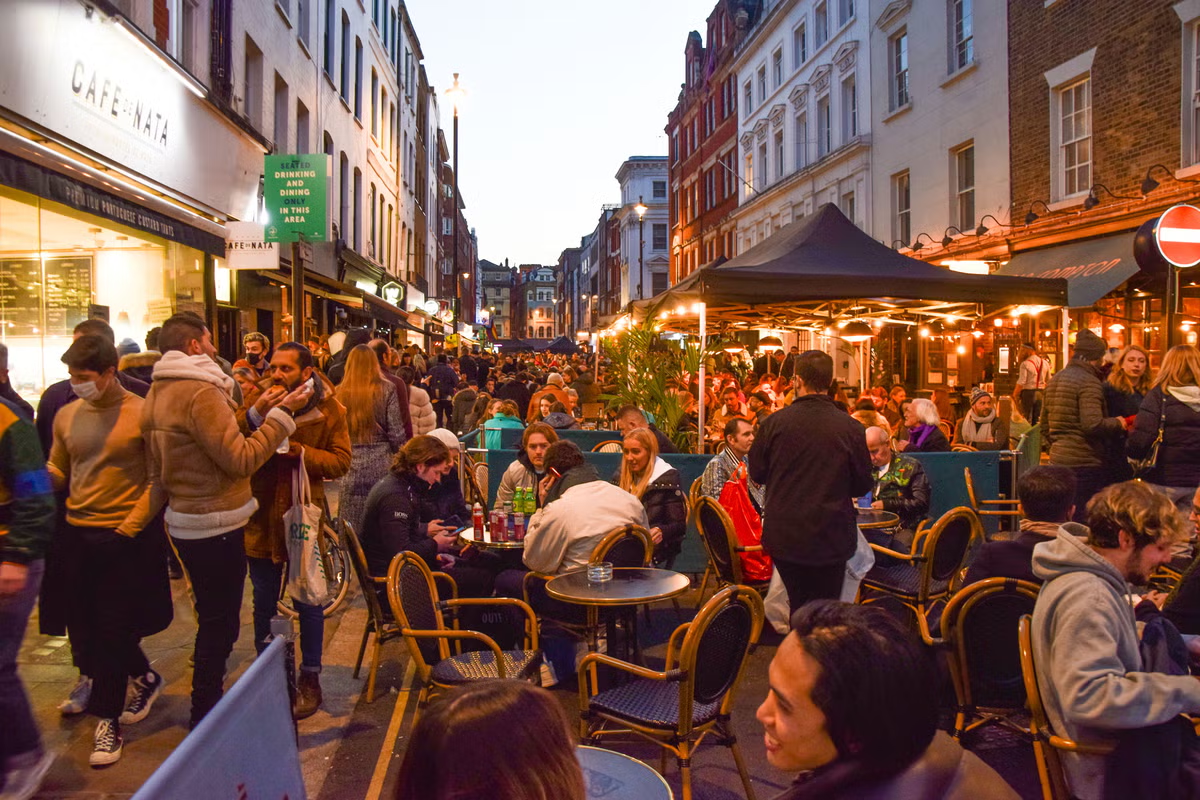
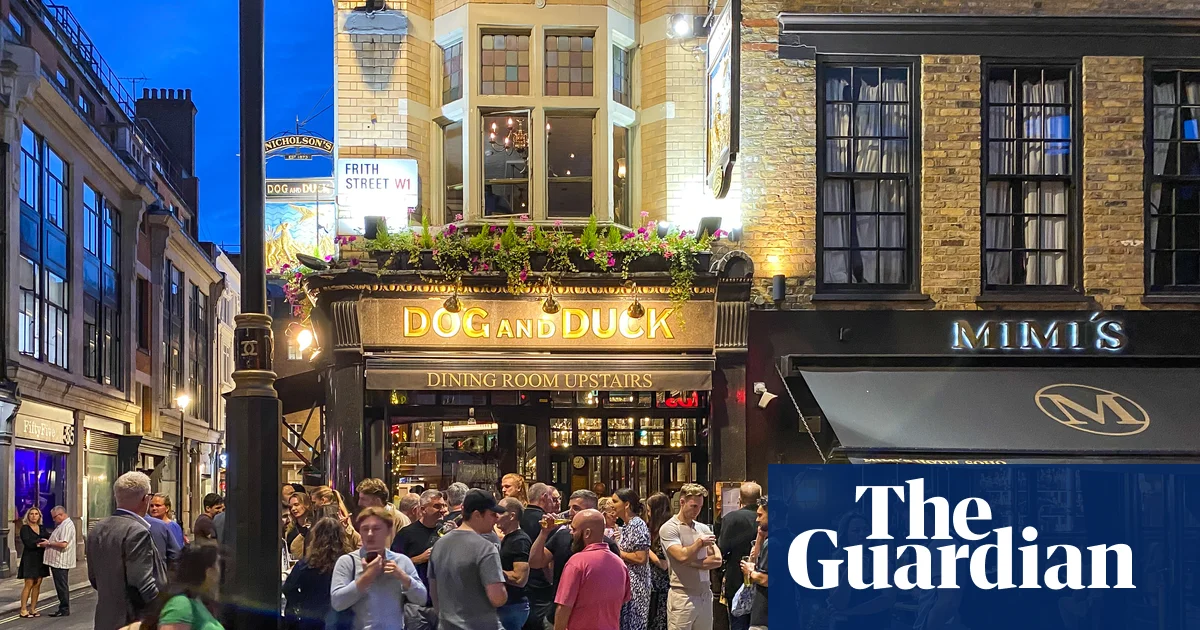
ir Sadiq Khan’s musical tastes tend toward soft rock and pop. But throughout his tenure as mayor of London he has positioned himself as a friend to its ravers, rockers and late-night revellers with his oft-relaunched vision of a culturally and economically vibrant “24‑hour city”. Those ambitions have fallen short of their promise, as London, like the rest of the country, has seen a steady erosion of pubs, bars and clubs.
There is reason to believe that the latest attempt – centred on a new nightlife commission announced last week by the mayor, and based on recommendations from a report endorsed by his office – will be different. The report’s authors include representatives of successful grassroots projects, rather than just industry figures associated with festivals and superclubs. It is unusually alive to local concerns. The debate is not really economic or cultural but political: who controls shared local space? Without councils and residents on side, the plan goes nowhere.
That being said, the report usefully challenges stereotypes about nightlife’s supposed association with crime, though its conclusions depend on comparisons that obscure the tensions local councils are asked to manage. For example, comparing nightlife hubs with other busy areas, rather than quieter residential streets, is technically sound but also serves a political purpose. It redirects attention from nightlife-linked crime to crowd management – shifting responsibility away from venues. The proposal to use real-time sound monitoring is more promising, potentially moving the spotlight away from anecdote toward hard evidence.