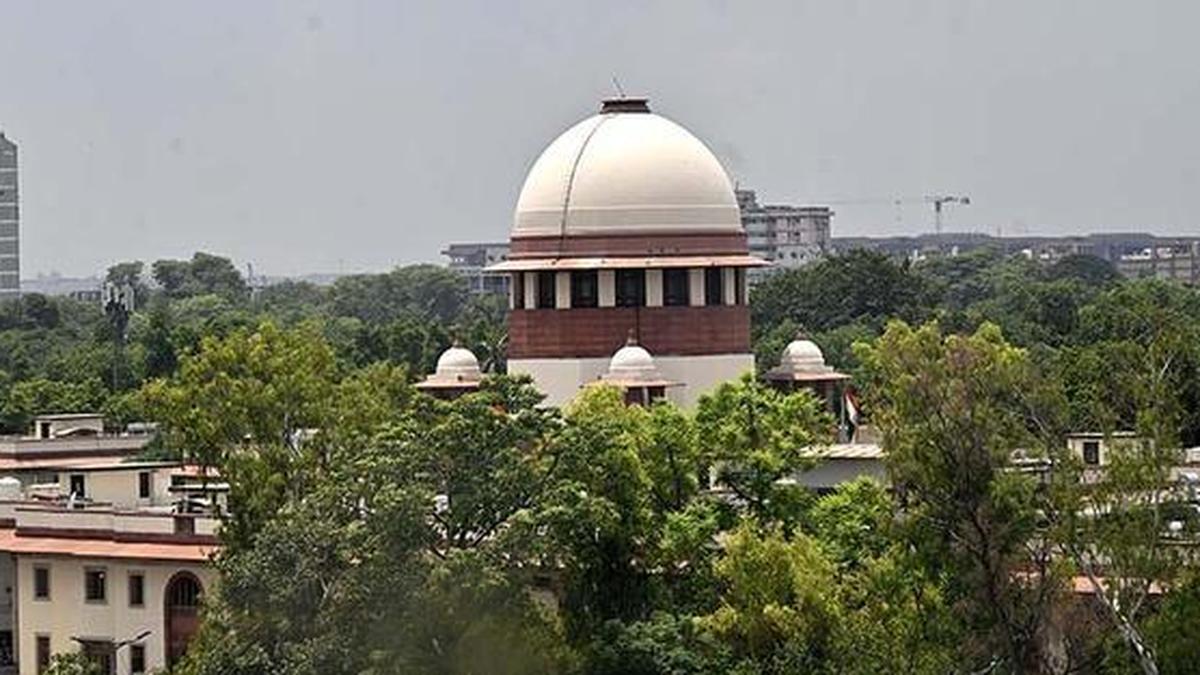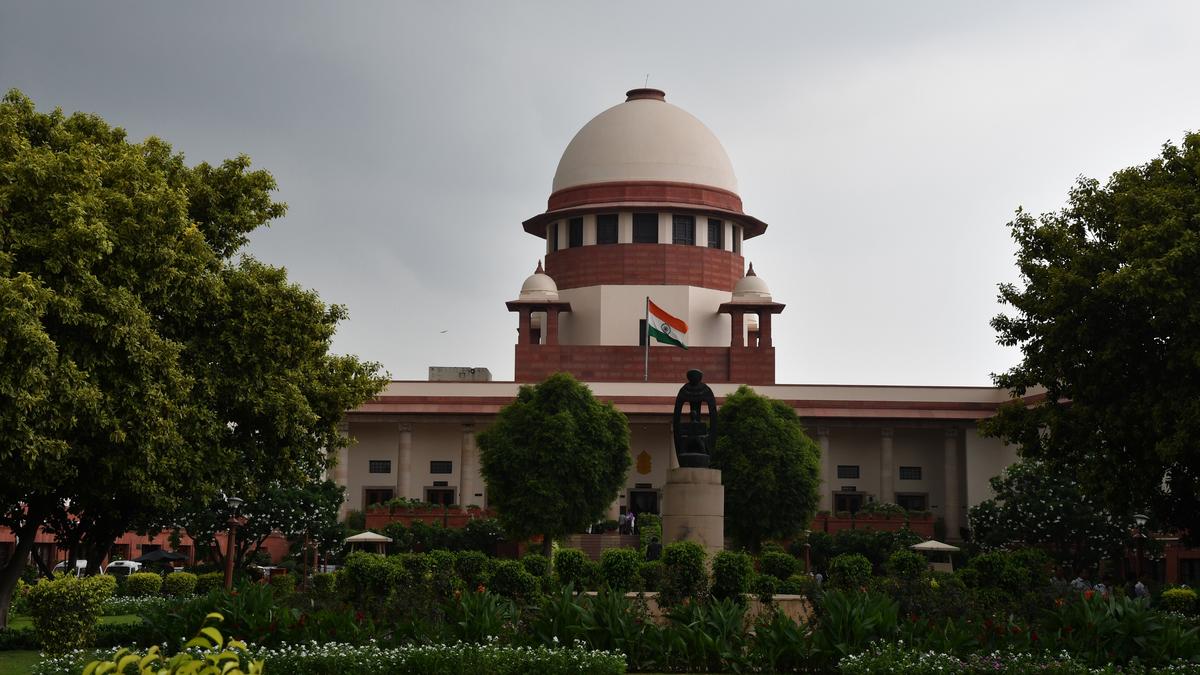
If a company profits more from its scale, it has to bear more responsibility for the environmental costs, the Supreme Court said on Friday (January 30, 2026) while upholding an National Green Tribunal (NGT) order that imposed an environmental compensation of ₹5 crore on a builder for violating green norms.
A Bench of Justices Dipankar Datta and Vijay Bishnoi said in cases relating to protection of environment, linking a company’s scale of operations (like turnover, production volume or revenue generation) to environmental harm can be a powerful factor for determining compensation.
Observing that bigger operations signify a bigger footprint, the Court said a larger scale often means more resource use, more emissions and more waste, leading to more environmental stress.
“If a company profits more from its scale, it is logical that it bears more responsibility for the environmental costs. Linking scale to impact sends a message that bigger players need to play by greener rules,” the Bench observed.
“If a company has a high turnover, it reflects the sheer scale of its operations. Such a company, if found to contribute generously to environmental damage, its turnover can have a direct co-relation with the extent of damage that is caused. Thus, in our considered opinion, to contend that turnover can never form a relevant factor in quantifying compensation to match the magnitude of harm is fallacious,” the Bench said.