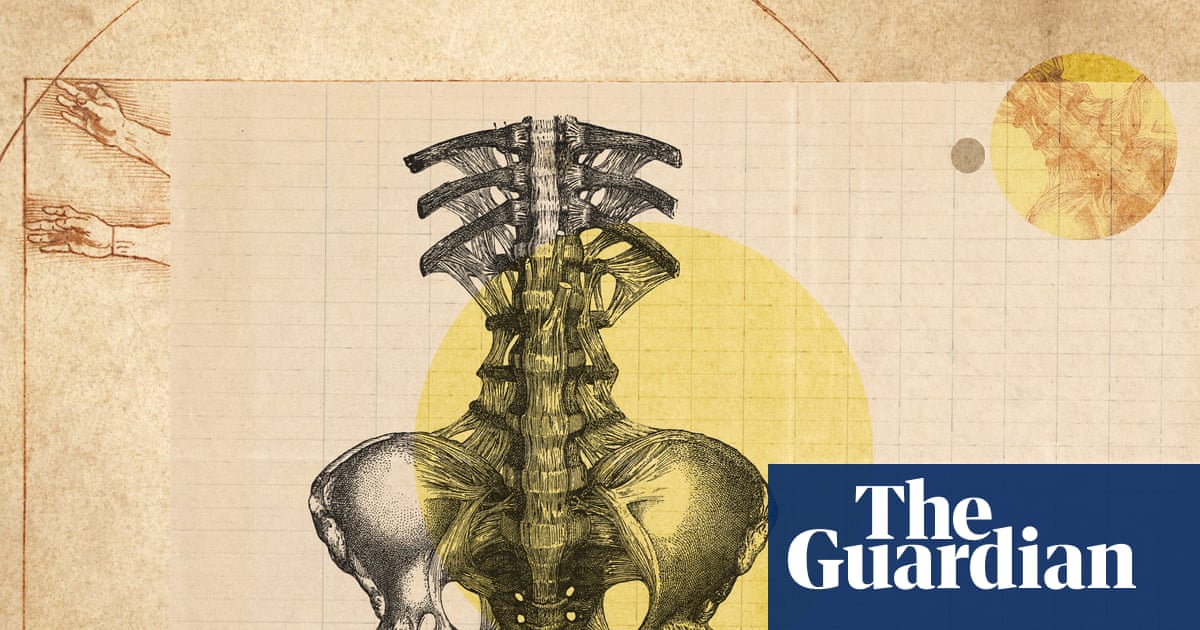
An estimated 80% of the population will suffer from lower back pain at some point. The good news is that preventing it is a lot easier than treating it
Read more in The way you move series
Getting out of bed. Picking up a coffee mug. Waving at a friend. Bending down to pat a dog. Turning to flush the toilet.
Many who have experienced “doing their back in” have been baffled by the discrepancy between the mildness of the precipitating action and the severity of the resulting pain. How could such a small, innocent movement trigger such paralysing pain that lasts for weeks, months, years or, in some cases, decades?
The reason is that most cases of lower back pain are not the result of damage to muscles, tendons or bone. Most start with something as benign as a muscle spasm, which then sets the lower back on a pathway of nerve sensitisation and pain that is hard to treat.