CAIRO: Dr. Mohamed Ibrahim dashed from building to building, desperate for places to hide. He ran through streets littered with bodies. Around him, the capital of Sudan’s North Darfur province lay enveloped in smoke and fire.
Explosions, shelling and gunfire thundered from every direction.
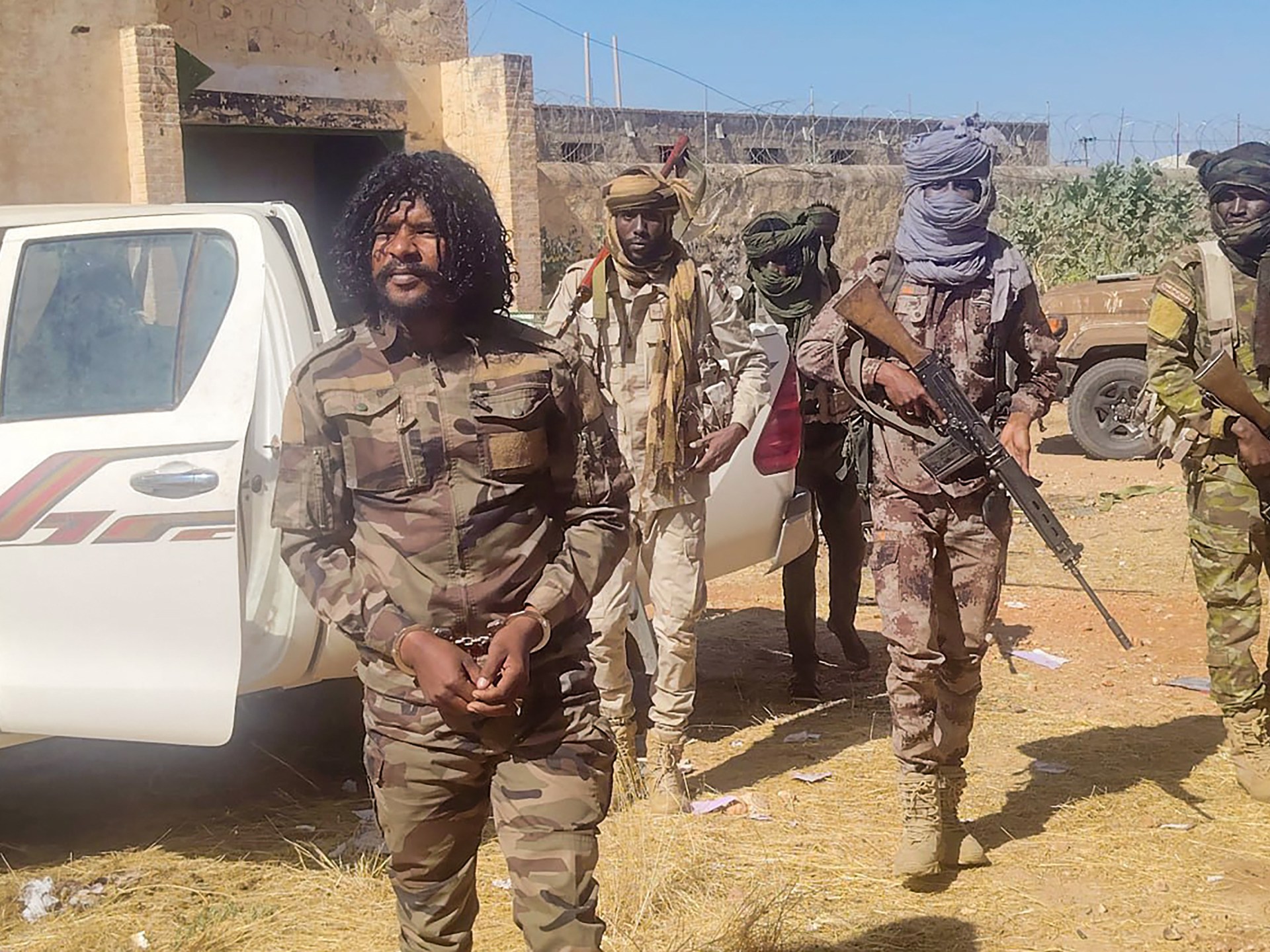
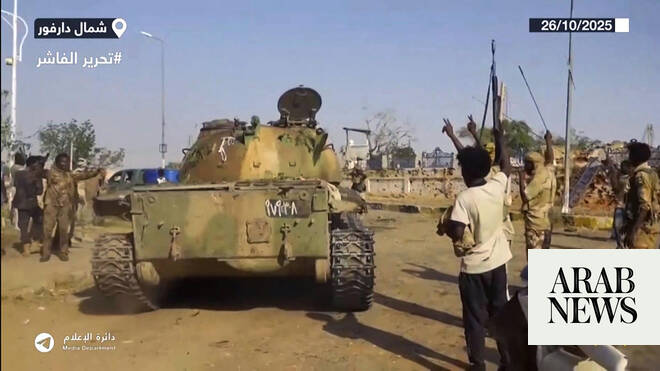
After 18 months of battling, paramilitary fighters had overrun el-Fasher, the Sudanese army’s only remaining stronghold in the Darfur region. Ibrahim, who fled the city’s last functioning hospital with a colleague, said he feared he would not live to see the sun go down.
“All around we saw people running and falling to the ground in front of us,” the 28-year-old physician told The Associated Press, recounting the assault that began Oct. 26 and lasted three days. “We moved from house to house, from wall to wall under non-stop bombardment. Bullets were flying from all directions.”
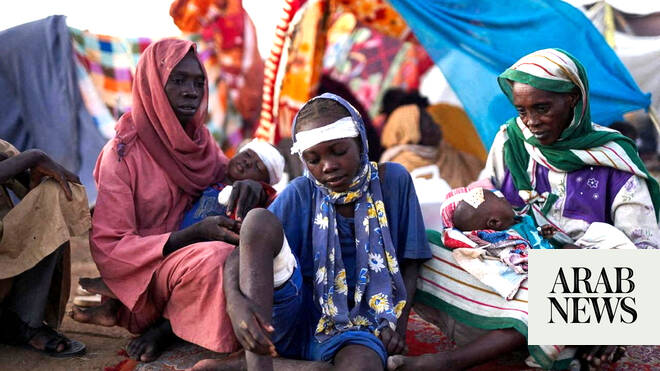
Three months later, the brutality inflicted by the militant Rapid Support Forces is only now becoming clear. United Nations officials say thousands of civilians were killed but have no precise death toll. They say only 40 percent of the city’s 260,000 residents managed to flee the onslaught alive, thousands of whom were wounded. The fate of the rest remains unknown.