Just months after Congress averted the last shutdown, lawmakers hit another wall at midnight on Jan. 31 after failing to pass the full slate of funding bills by the Jan. 30 deadline.
On Friday, the Senate approved a continuing resolution to keep Department of Homeland Security funded for two more weeks while the rest of the government gets full-year funding, but that deal now waits in the House, which is in recess and won’t vote until Monday at the earliest. If the House rejects the plan or delays action, the shutdown could stretch beyond the weekend, though most appropriators still expect a relatively short closure given the bipartisan momentum before the deadline.
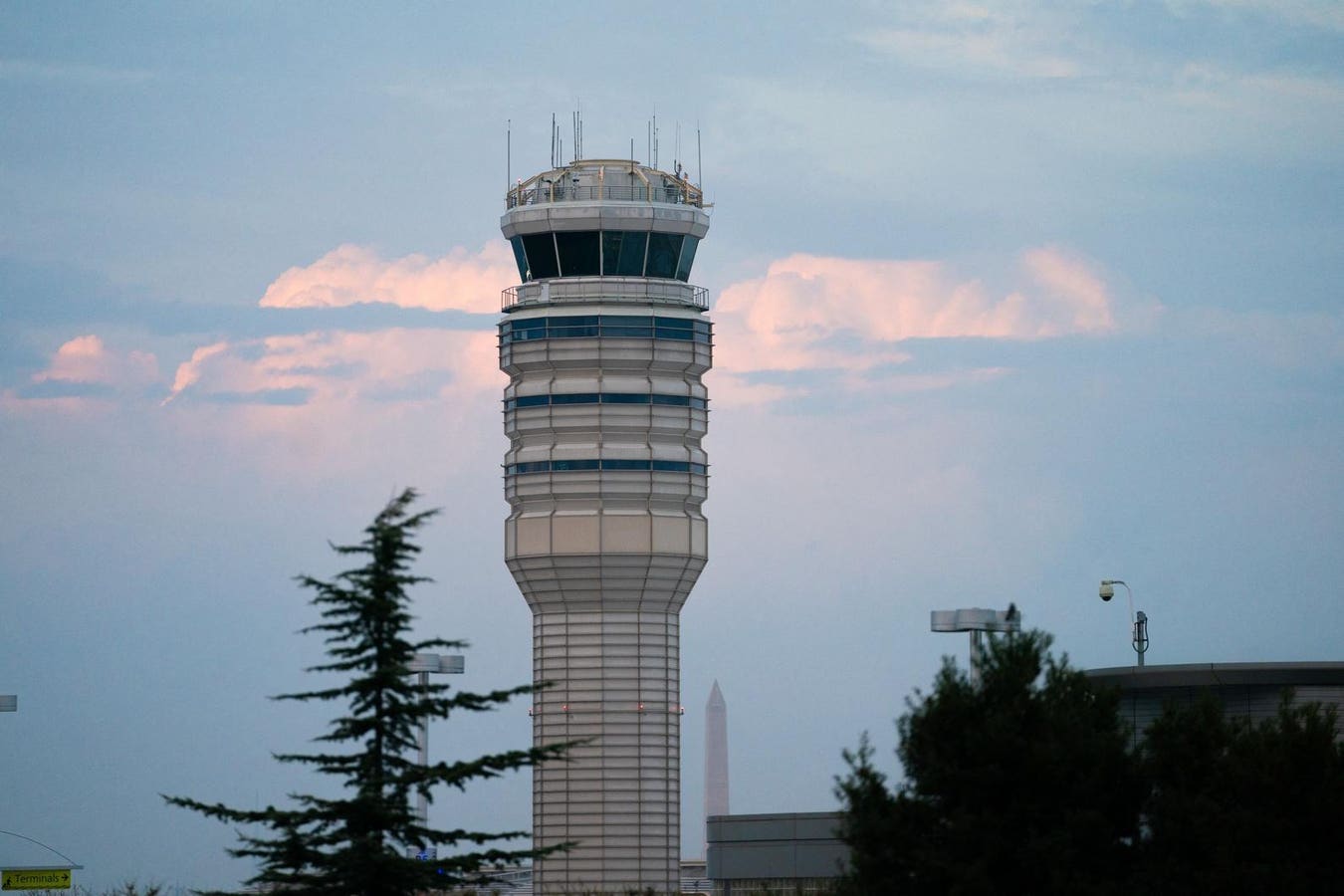
During the last government shutdown, which lasted 43 days, making it the longest in U.S. history, airlines were ordered to reduce their flight schedules by up to 10% at 40 major airports.
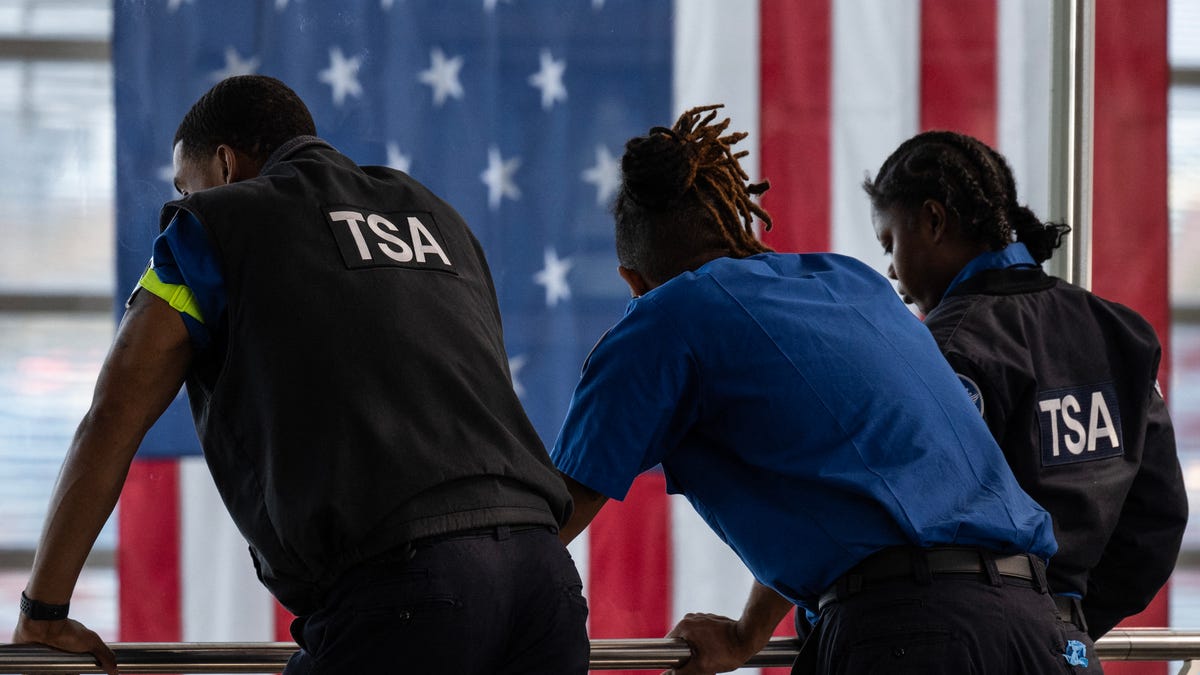
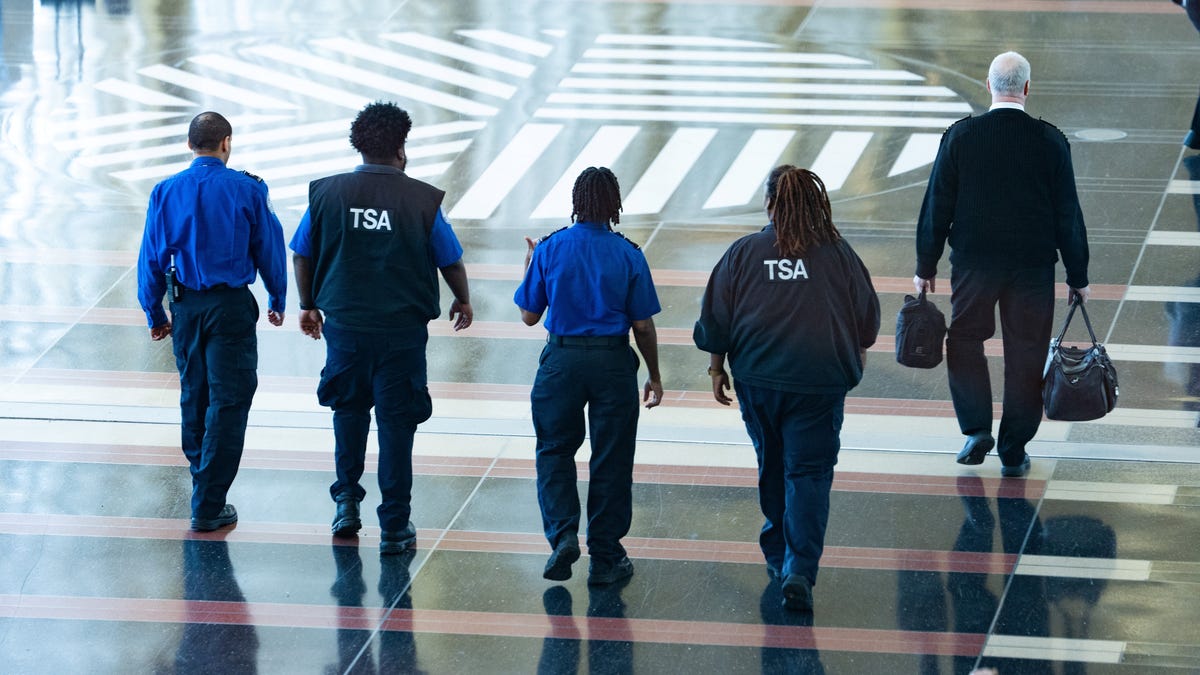
That extraordinary measure was taken after air traffic controllers were working without pay for over a month, leading to strain on the air traffic system. Many air traffic controllers and other essential employees needed to find a way to bridge the financial gap after missing multiple paychecks.
Some travelers may already be noticing a high number of flight disruptions on Saturday, Jan. 31, but that's unrelated to the potential shutdown. Airlines preemptively canceled flights ahead of Winter Storm Gianna, which is predicted to pound the East Coast with heavy snow and damaging winds over weekend.