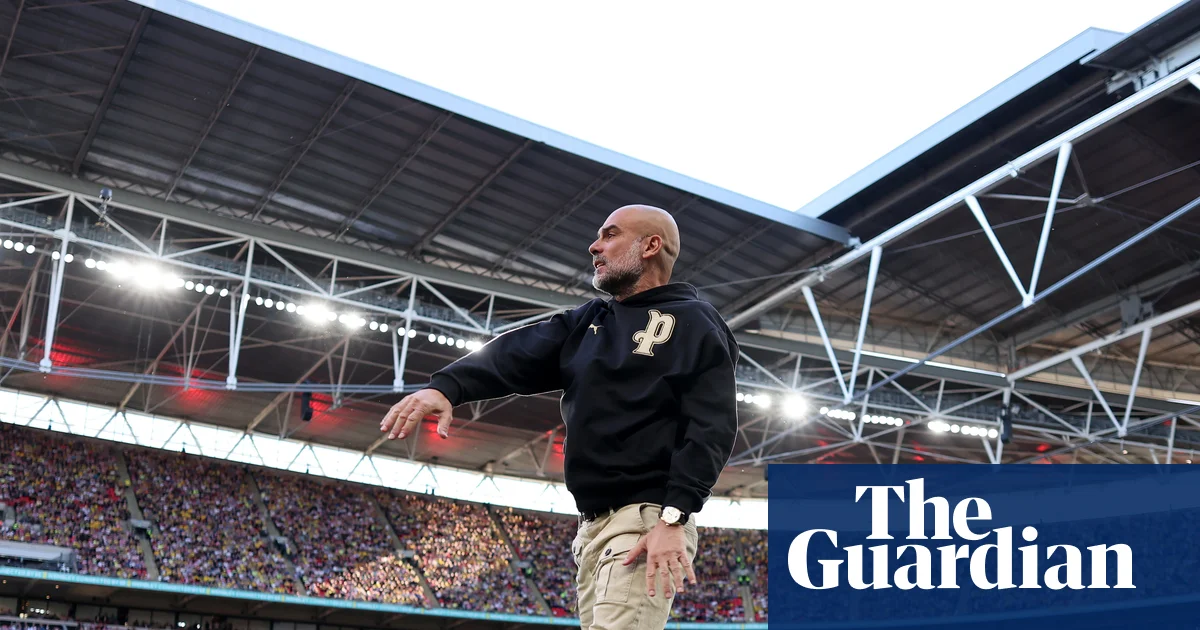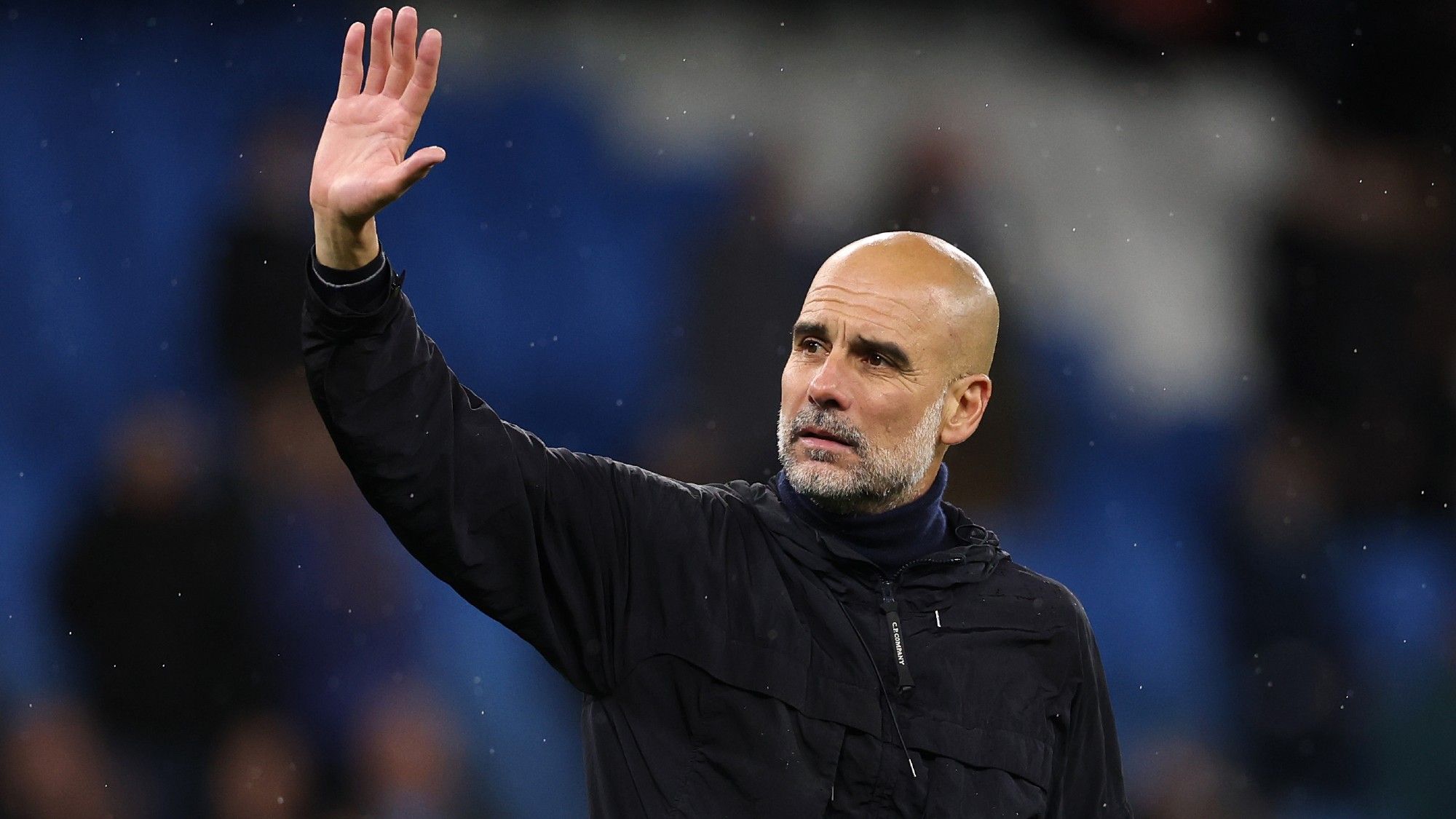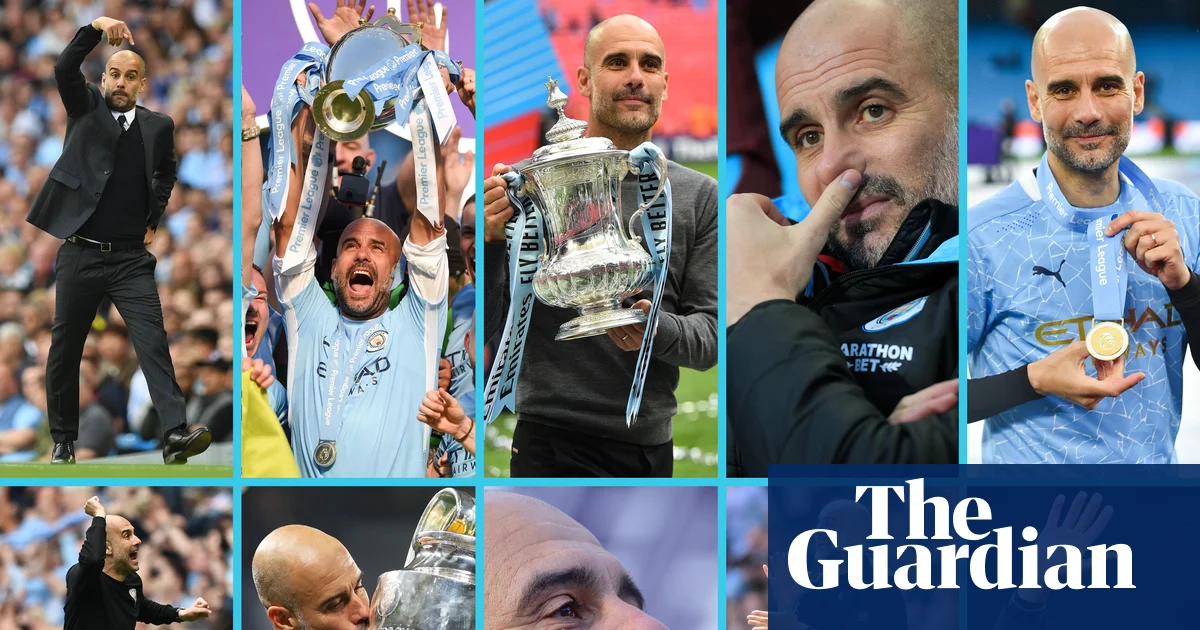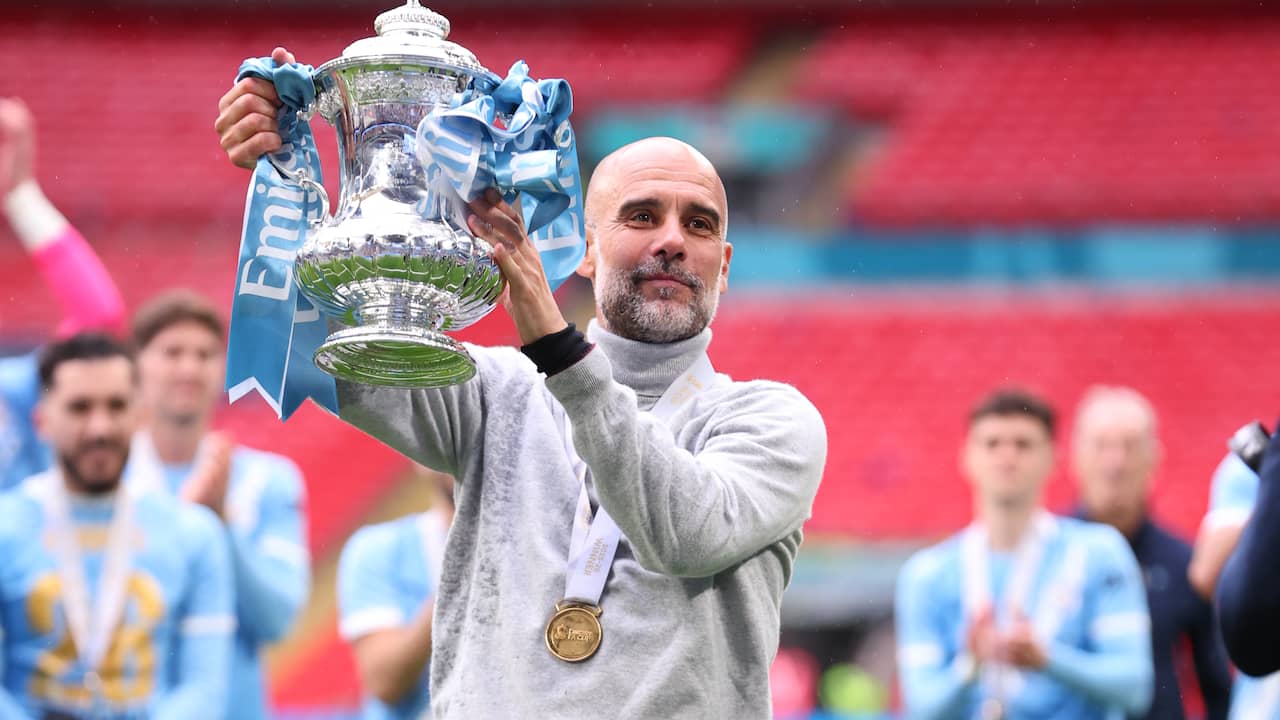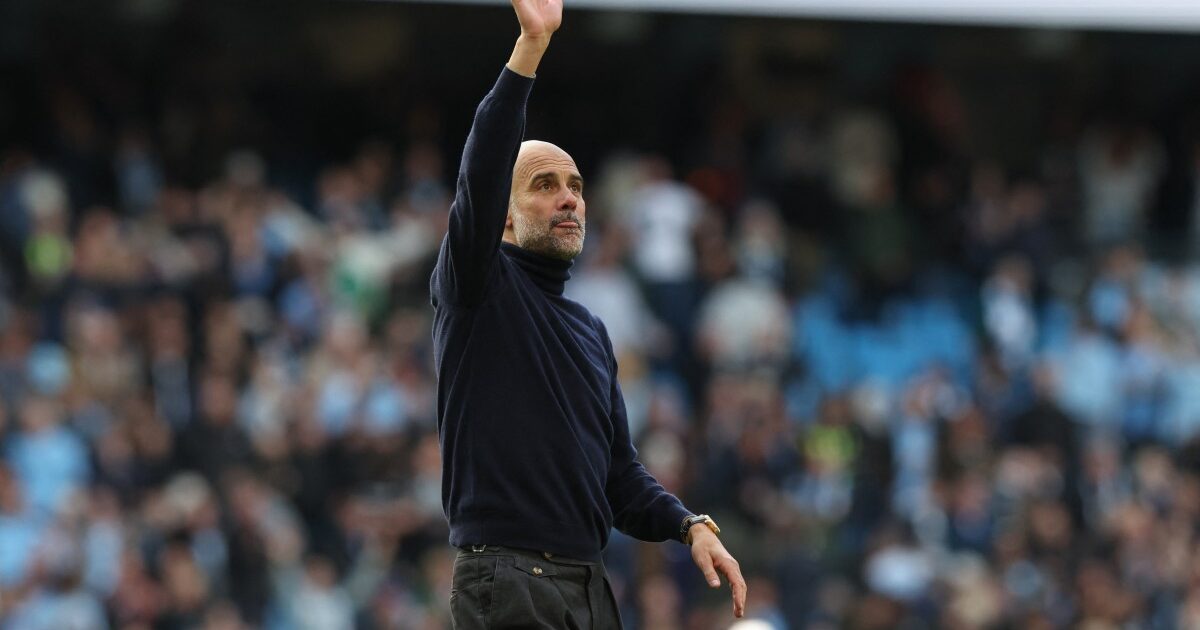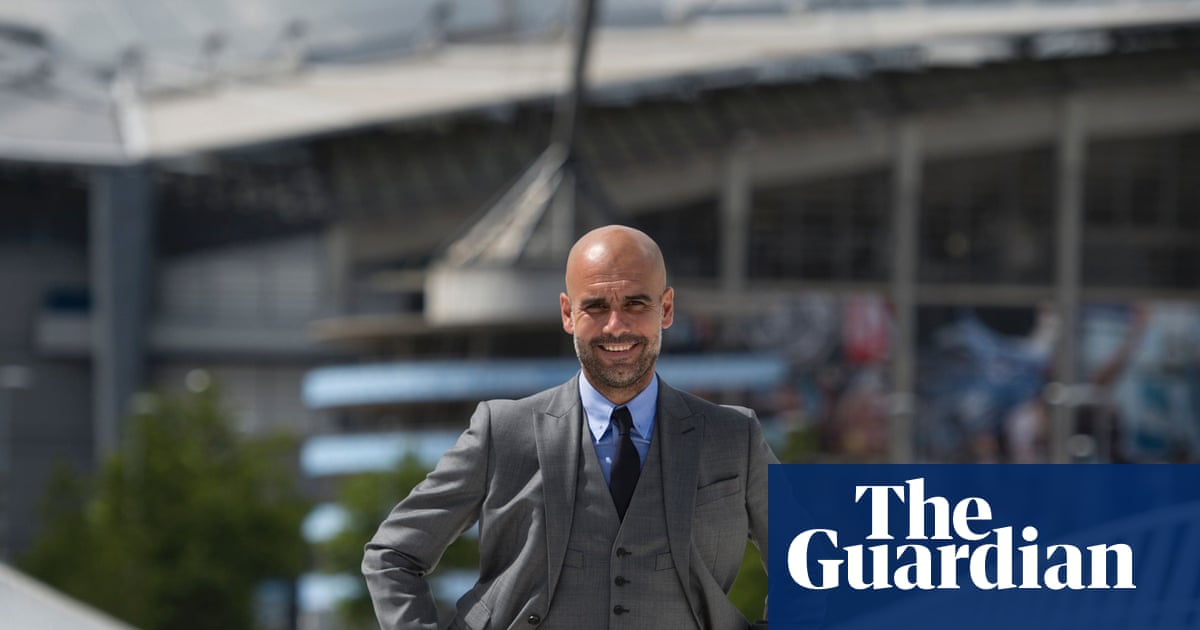
That 1 February 2016 announcement led to Johan Cruyff’s gospel spreading to all corners of our game – and a bromance with Neil Warnock
I
t wasn’t quite without fanfare but when Manchester City announced, 10 years ago on Sunday, that Pep Guardiola was to be their manager from the next summer, it was a banal, bald press release that brought English football the news that would change it for ever. That was a simpler time, pre-Brexit and Donald Trump’s presidency, and before centre-halves in League Two would split wide for the keeper to pass out from the back to the holding midfielder, dropping in to receive the ball as a false 9 came deep to link with full-backs stepping into midfield.
“It’s not about coaches adapting to English football,” said Jordi Cruyff in 2016 as Guardiola began to make his mark on England. “It’s about English football adapting to the new things of the game.” And yet that typical Cruyffian confidence looked like hubris when Guardiola’s Manchester City got hammered 4-2 by Leicester, 4-0 by Everton and experienced Champions League humiliations at Barcelona and Monaco in that first season.
Ten years on, you have to admit Cruyff Jr was, like his father, Johan – Guardiola’s inspiration from their time at Barcelona – 100% right. We now know that English football revolves around Pep rather than the other way around. “All credit to Pep,” Jordi told me recently while recording a forthcoming episode of the It Was What It Was podcast, and I reminded him of our conversation. “If you look at the Premier League nowadays you see a lot of teams playing from the back, taking all kinds of risks, and every cross in the box there are six or seven players trying to finish it. Even smaller clubs that historically had a different way of playing are more open, [commit to] crazy attacks and just go for it. When Pep arrived he had that romantic way of playing and I think a lot of people didn’t expect the level of results he would get. They introduced the Barça style to Manchester City and City brought that to the whole of the Premier League. But what helped Pep a lot was patience of the ownership [of the club], that they weren’t emotional.”