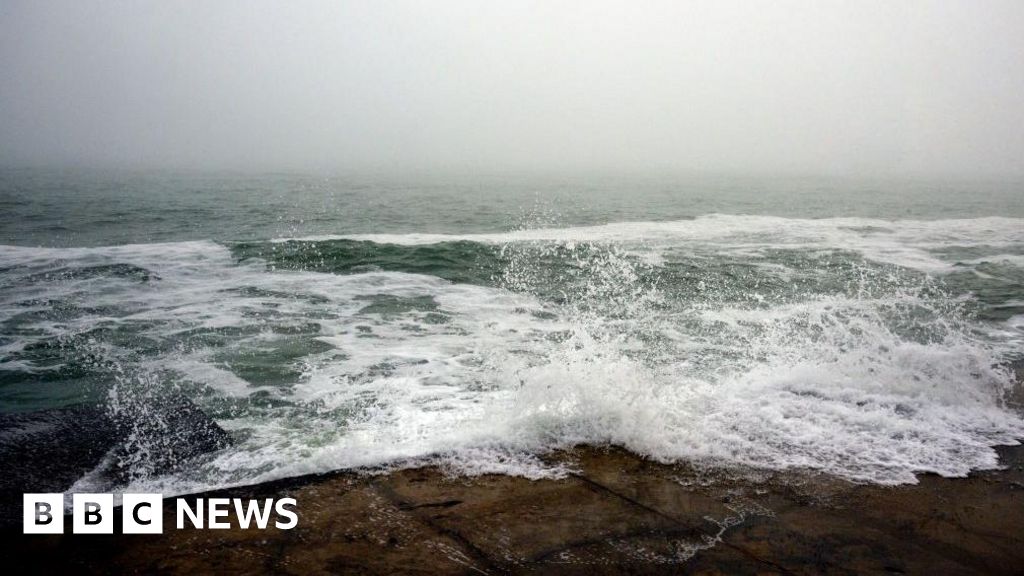
The Black Sea is littered with deadly weapons. But no-one knows how many – or where they are.
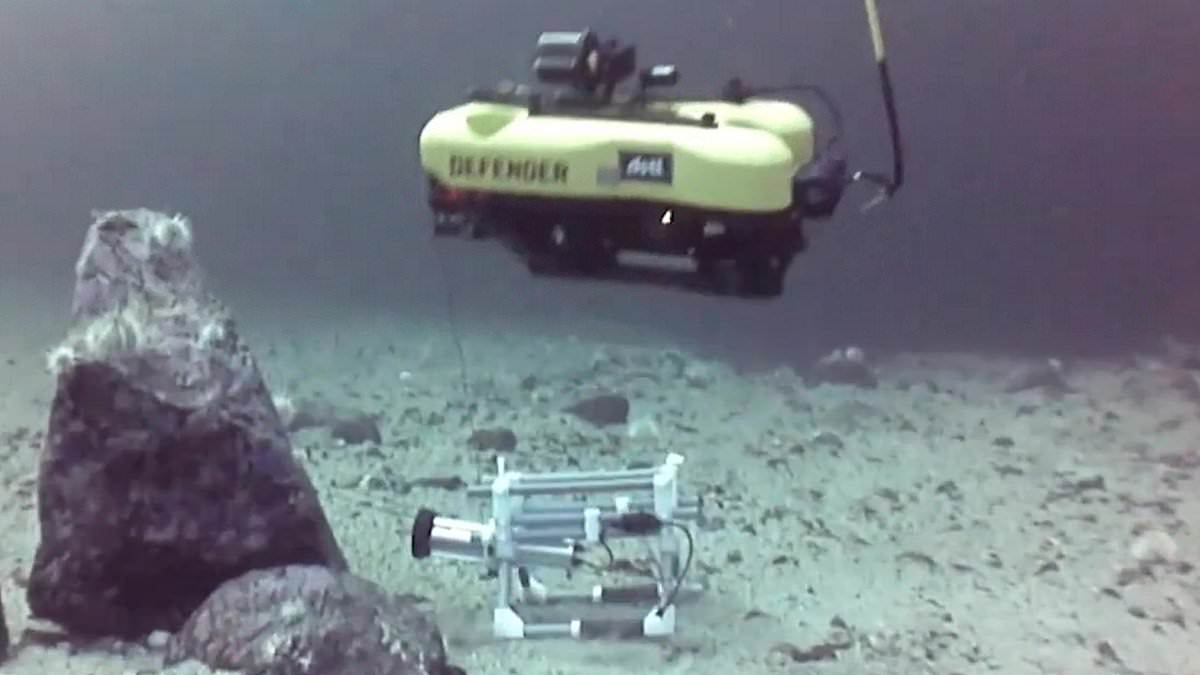
"When we approach it, we should be quiet, we should be slow – and we should be very accurate," says Vitalii, wiggling his hand in a snake-like motion, as he describes swimming through dark waters towards the explosive devices resting on the sea floor.
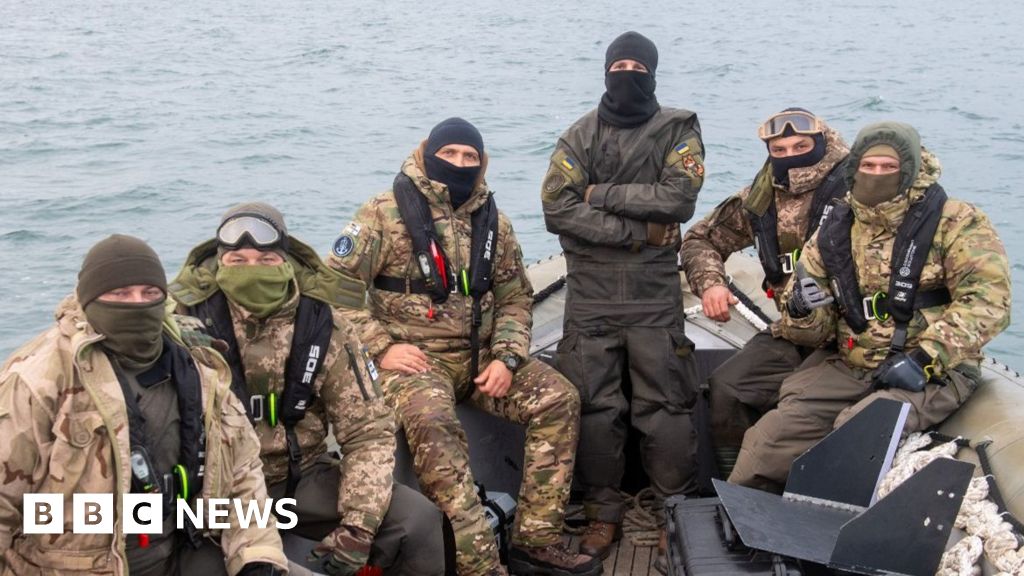
The tall, softly spoken 31-year-old Ukrainian Navy diver is part of a team of 20 tasked with de-mining the parts of the Black Sea still under Ukraine's control.
Mines are some of the most insidious and long-lasting legacies of war. They remain active, and deadly, for decades; the ones at sea present additional risks, as they can drift with currents and storms.
The sea mines laid by Moscow at the start of the full-scale invasion – when Russian ships approached Odesa – are no different. And the danger is not theoretical: last summer, three swimmers were killed by mines off the Odesa coast.