T
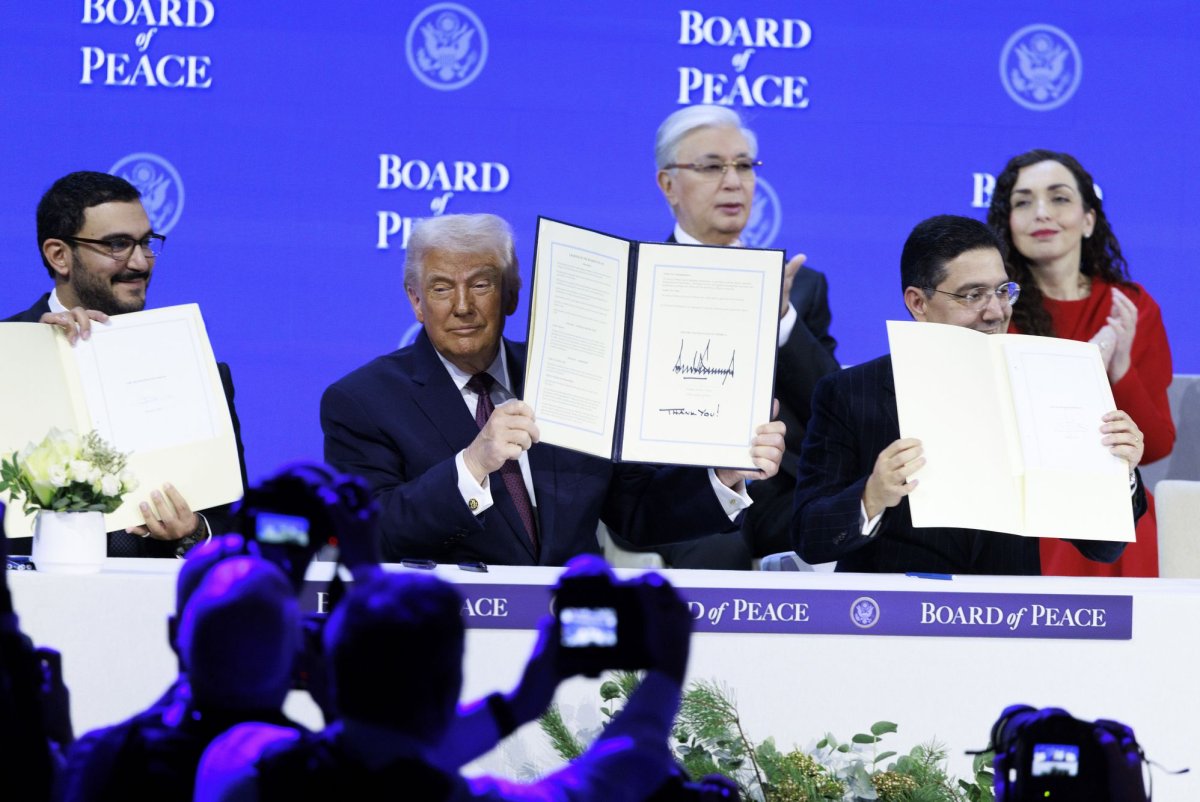
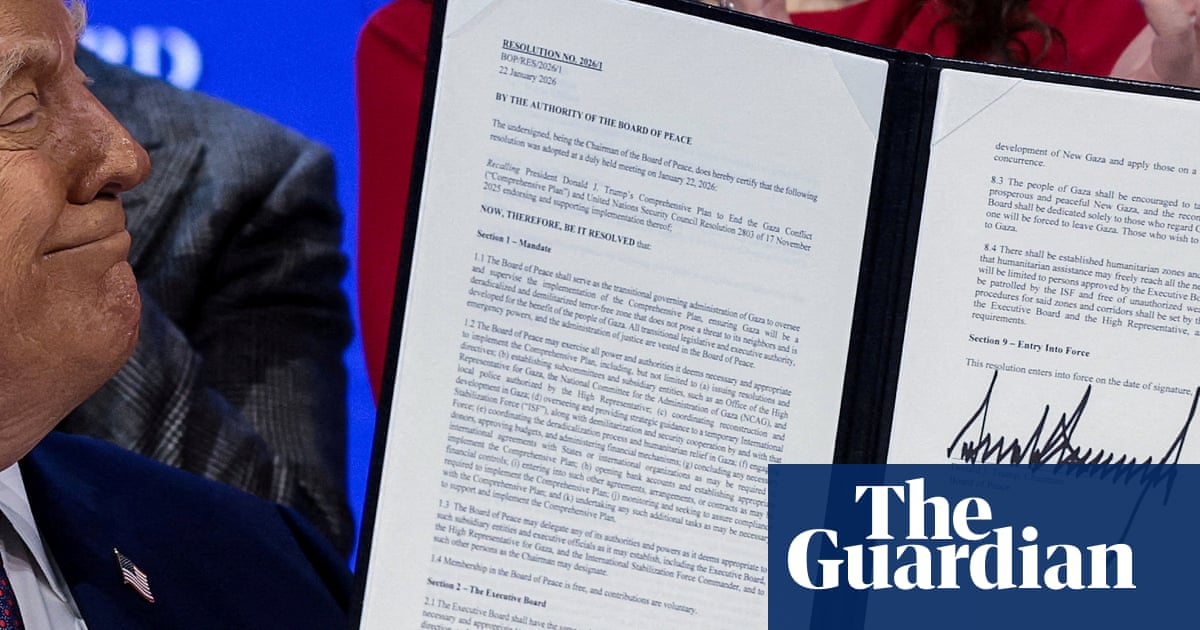
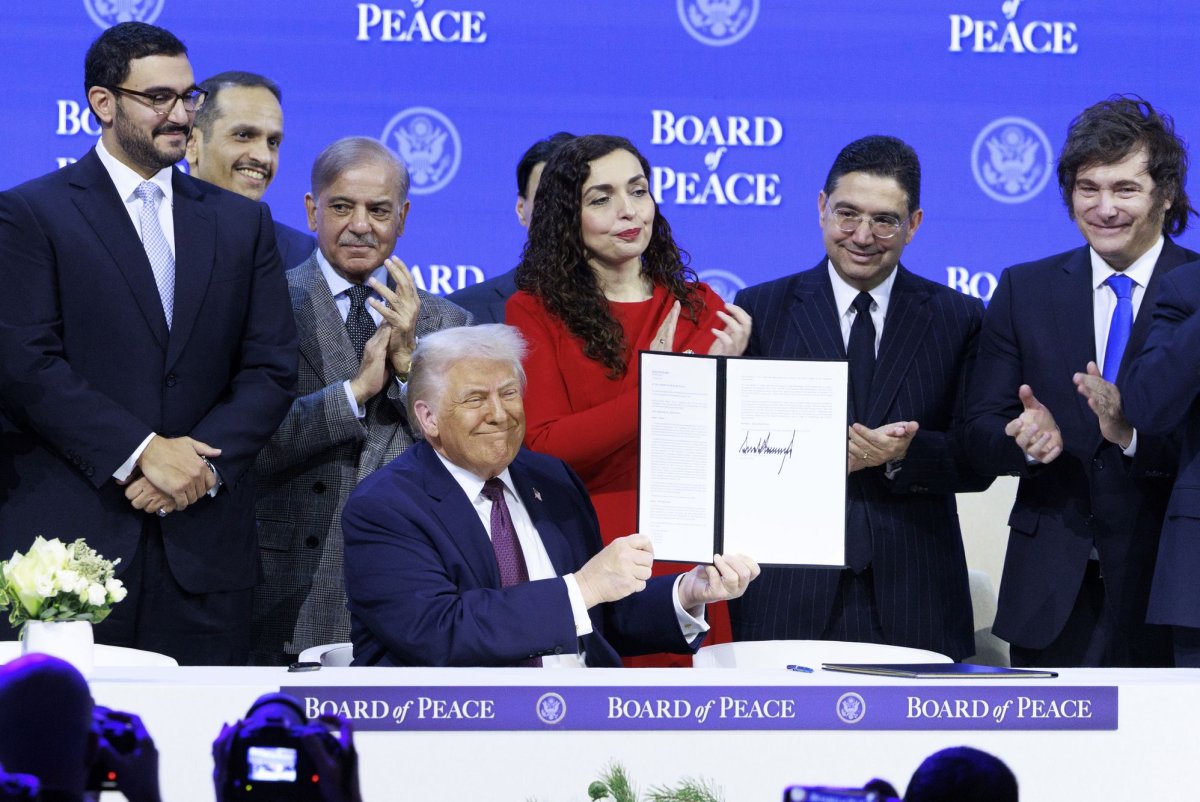
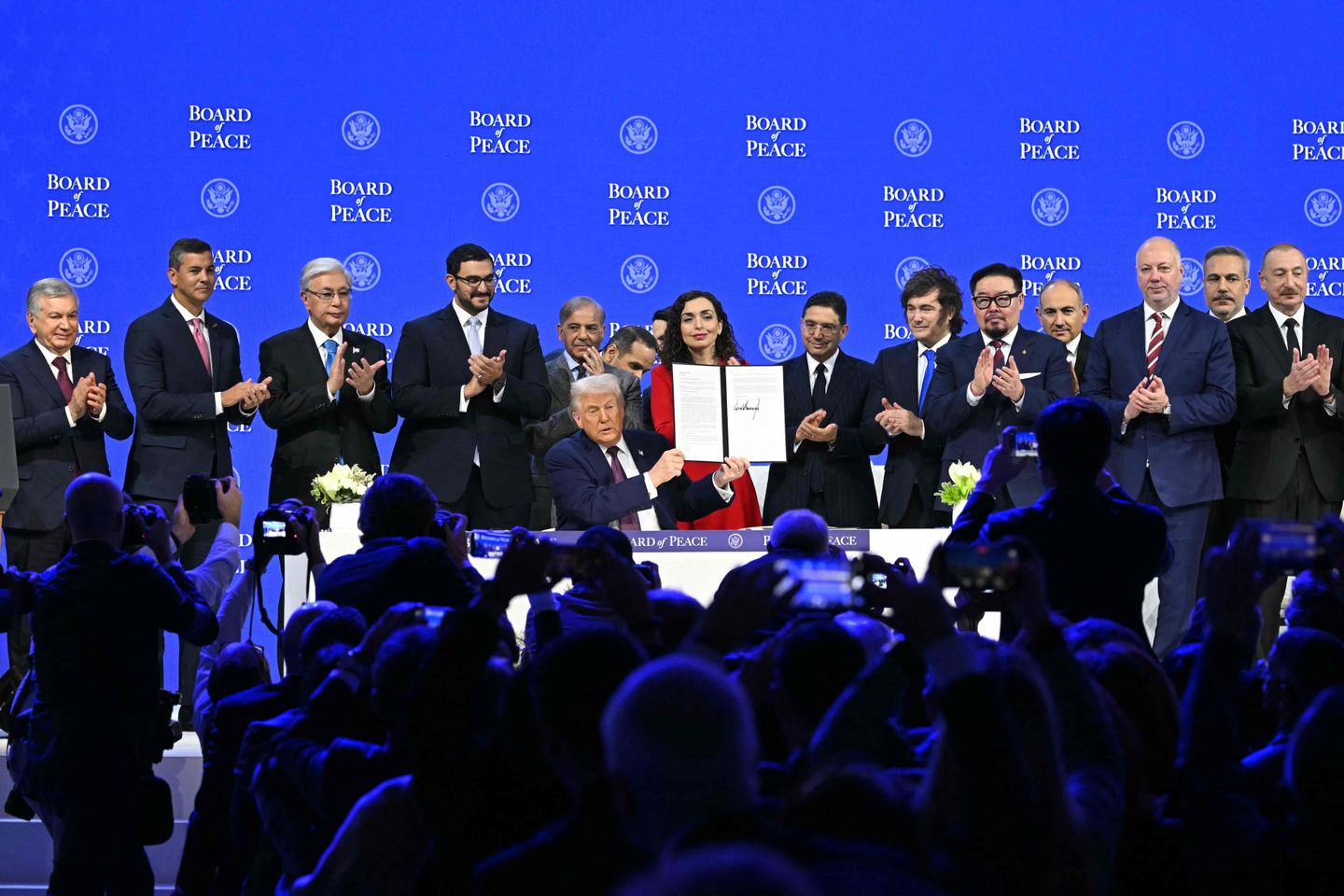
he final article in the charter of the Board of Peace, inaugurated by Donald Trump in Davos, Switzerland, on January 22, is dedicated to the seal of approval it must receive. It is meant to be in good taste, since the charter has to be approved by its chairman: the president of the United States. Details are never given enough attention. This particular seal, however, is unlikely to see much use.
If we set aside the Arab powers primarily focused on the still-distant reconstruction of Gaza – the Board's original mandate, as described in the United Nations resolution adopted in November 2025 – the list of countries that agreed to join, made up largely of authoritarian regimes or governments closely aligned with Washington, is less revealing than the list of those that declined the invitation.
It is true that the paralysis of the UN, perpetuated by some of the permanent members of the Security Council, including the US, helps explain the proliferation in recent decades of ad hoc groupings that have weakened it further. Yet Trump's claim to step in for the UN with his Board of Peace matters less than the repelling effect it has produced. The sweeping powers granted to the US president – and to him alone – can deter even the most well-intentioned participants. One can only hope this board meets the same fate as the Summit for Democracy. Launched with good intentions by Joe Biden after he entered the White House in 2021, it was forgotten even before it disappeared.