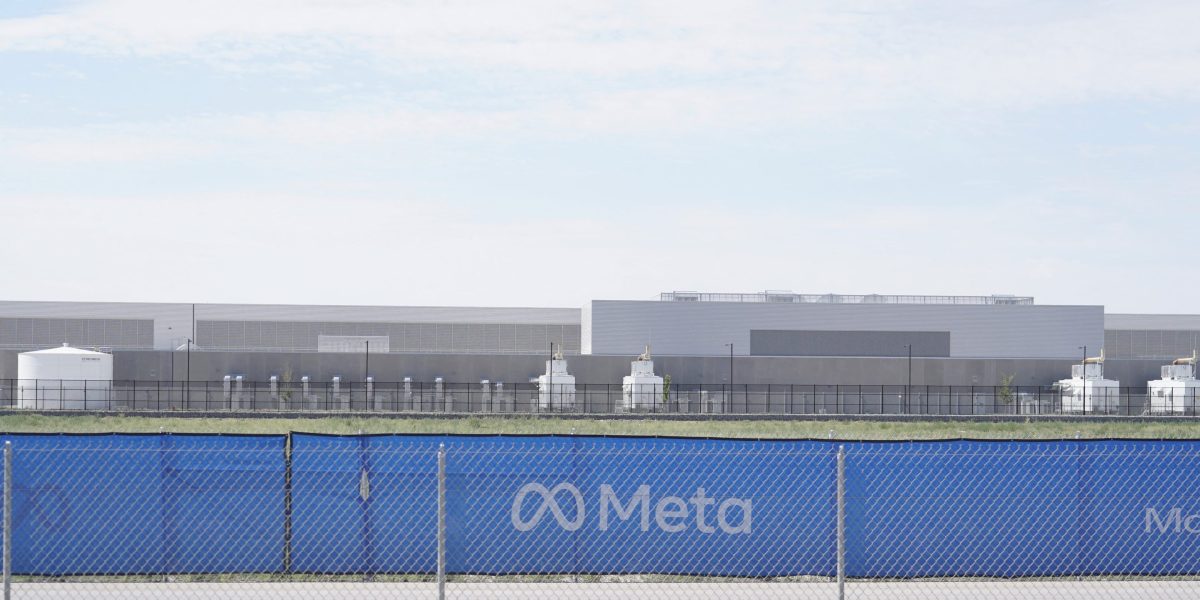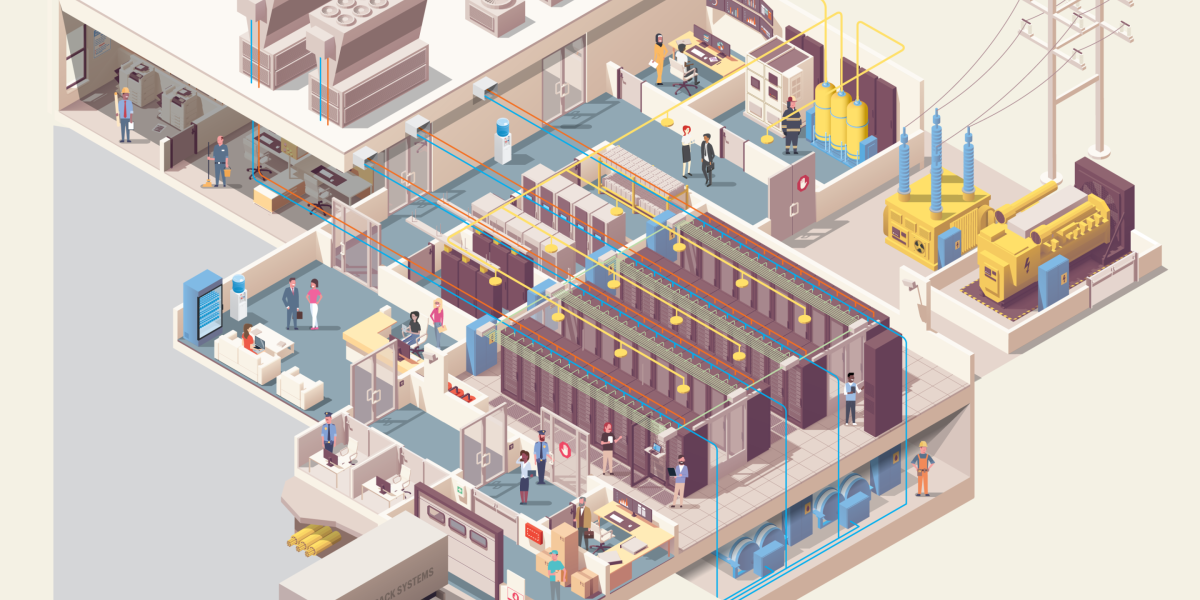
The data center is getting a makeover. The nondescript industrial buildings once hummed away largely behind the scenes, powering the various facets of our online lives.
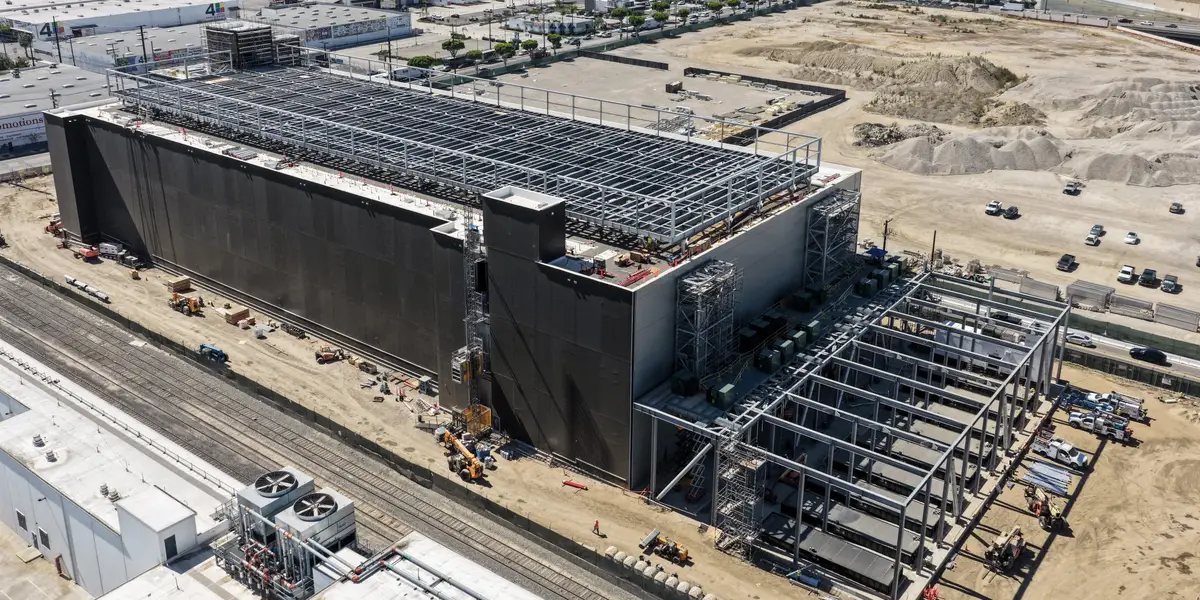
With AI, that’s all changing. Companies like Meta, Microsoft, Google, Amazon, and OpenAI are spending billions (with plans for trillions) to build a new breed of data center designed for the AI age: supersized behemoths with vast appetites for energy and water, and a far bigger impact on the communities where they are located.
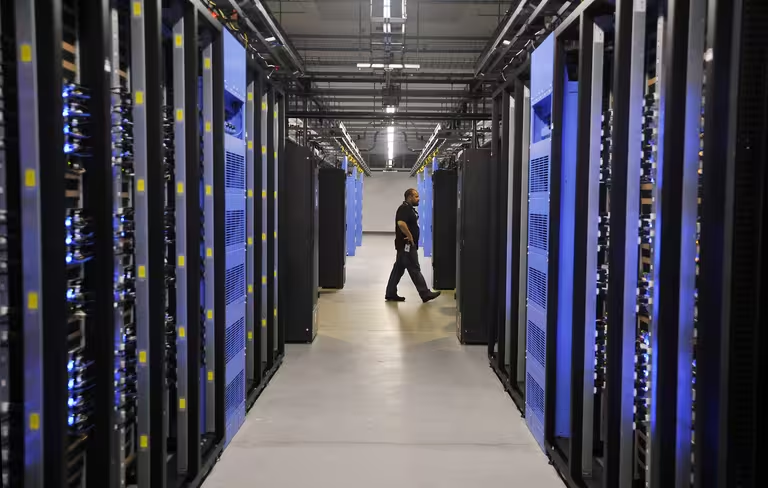
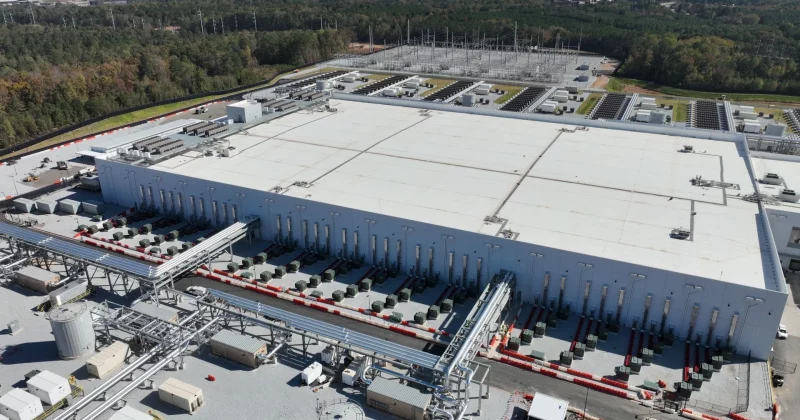
That’s because modern AI runs on vast clusters of tens of thousands of heavy, power-hungry graphics processing units (GPUs) running continuous calculations to train, or run, AI models, not traditional consumer or enterprise applications. Those clusters generate intense heat that demands industrial-scale cooling and direct access to large amounts of power, land, and water.
While a pre-AI-era data center might have spanned 100,000 to 300,000 square feet in a single building located in a city, today’s mega AI data centers are breaking ground in Texas Hill Country, the Arizona desert, or the wilds of Wyoming. They can span millions of square feet across hundreds or even thousands of acres (think dozens of football fields or city blocks), and need hundreds of megawatts, or even a gigawatt, of power.