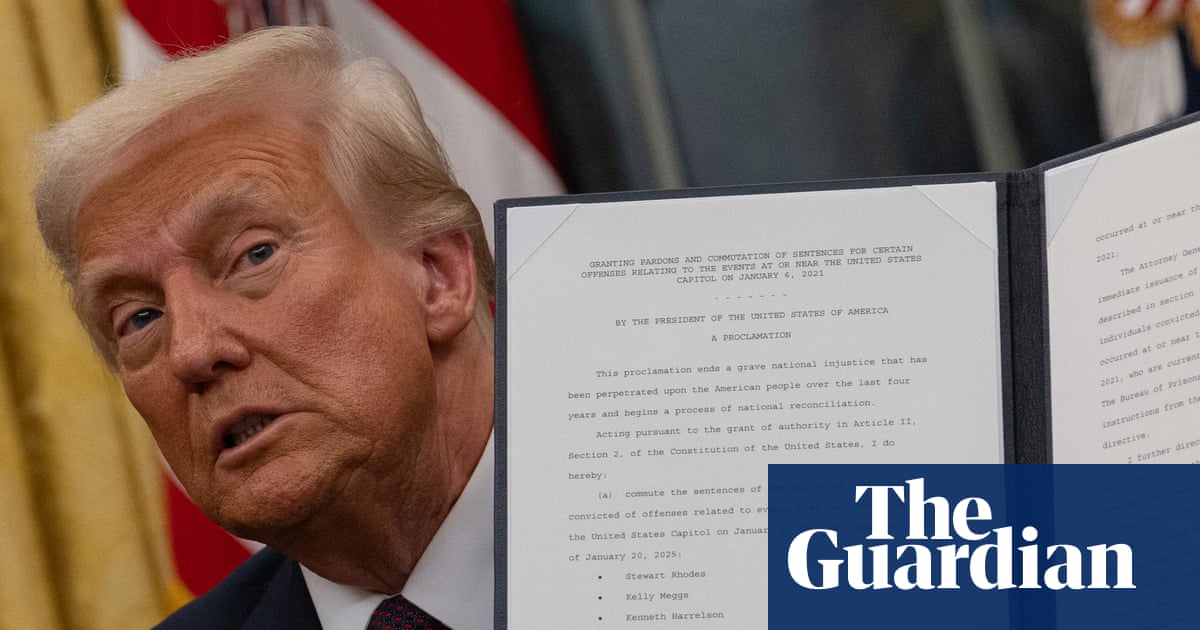
President Donald Trump's sweeping overhaul of the federal government prompted nationwide "no kings" protests. But in at least one area, the U.S. Constitution gives him nearly unbridled power like a king: clemency.
It wasn't so long ago that some presidents were slow to grant leniency for crimes through commuting a sentence or issuing a pardon. Even Trump granted clemency only once in 2017.
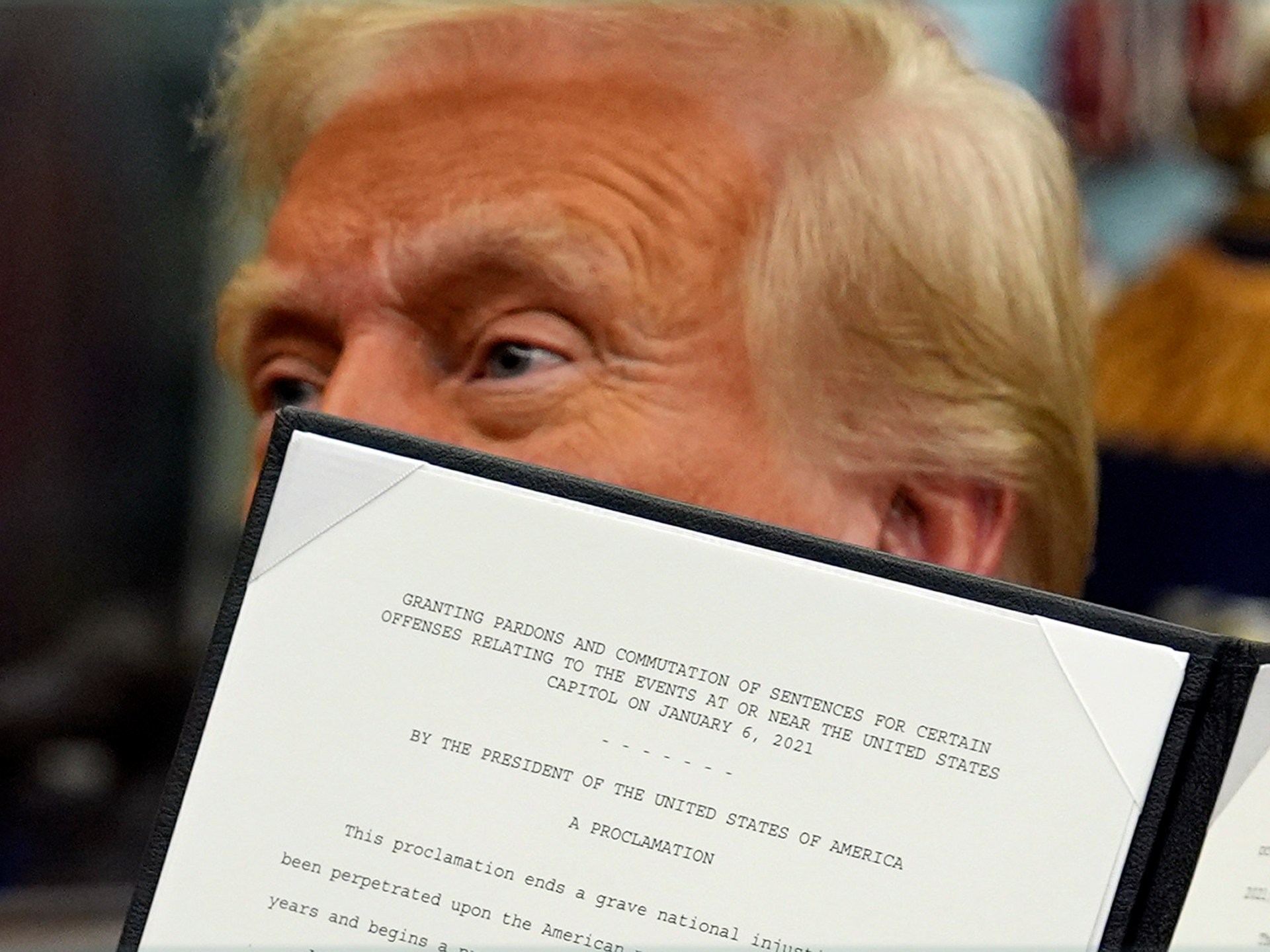
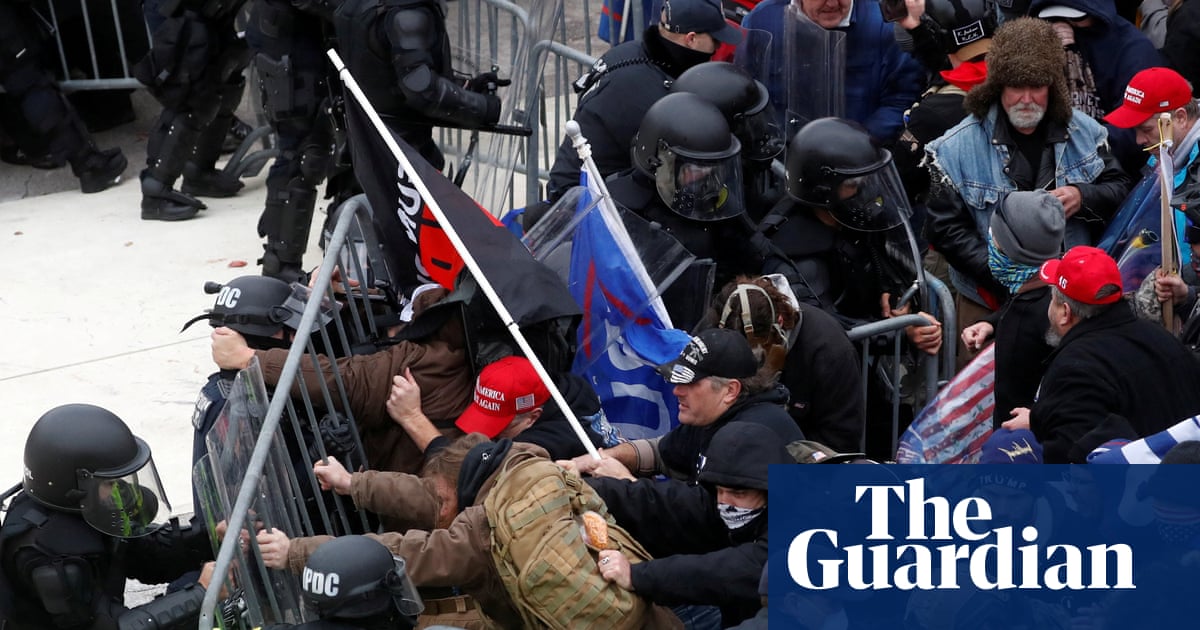
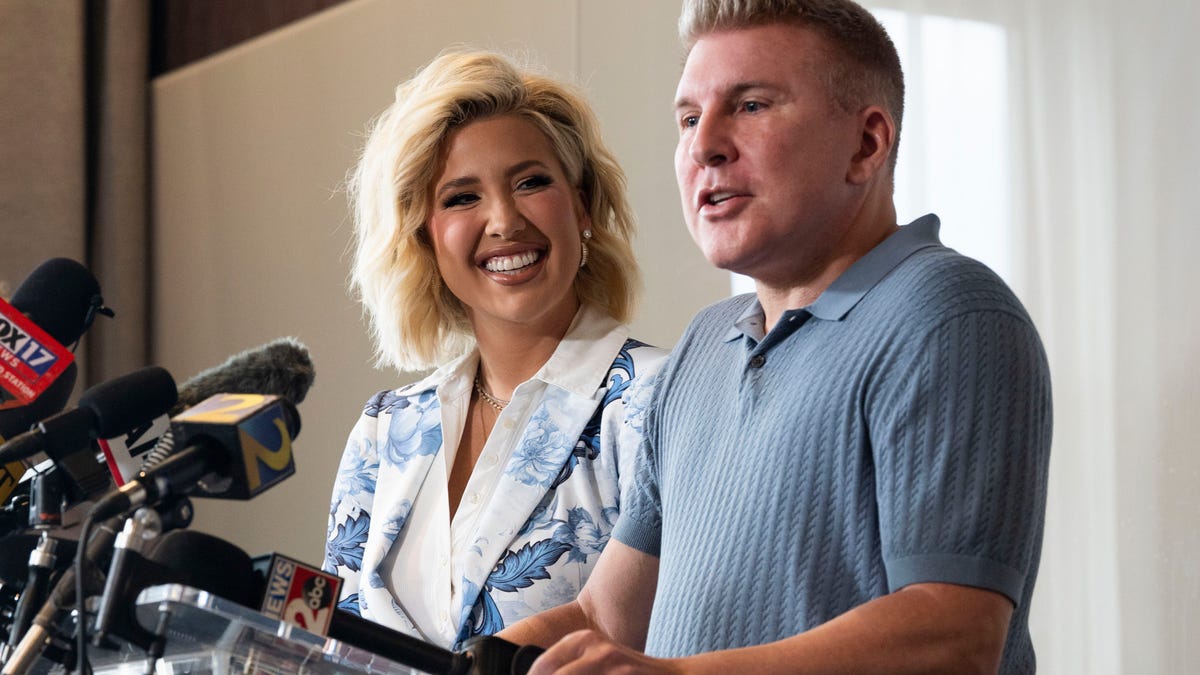
But in the first year of his second term, Trump has not shied away from using it. Fulfilling a campaign promise, Trump pardoned more than 1,500 people for crimes related to the Jan. 6 Capitol riots the day he was sworn in. He issued clemency for high-profile defendants like former U.S. Rep. George Santos, former Trump attorney Rudy Giuliani and reality TV stars Todd and Julie Chrisley. He openly mused about pardons for Jeffrey Epstein associate Ghislaine Maxwell and rap mogul Sean "Diddy" Combs when asked, though neither has received clemency.
Pardon attorney Ed Martin said in a Jan. 16 X post that he was "proud to help President Trump deliver mercy and freedom to so many via Pardon power." But only Trump gets to decide who to grant mercy to. Much like his first term, his clemency power this year has been a reflection of his politics, but turned up to new levels.