https://arab.news/wp5c6
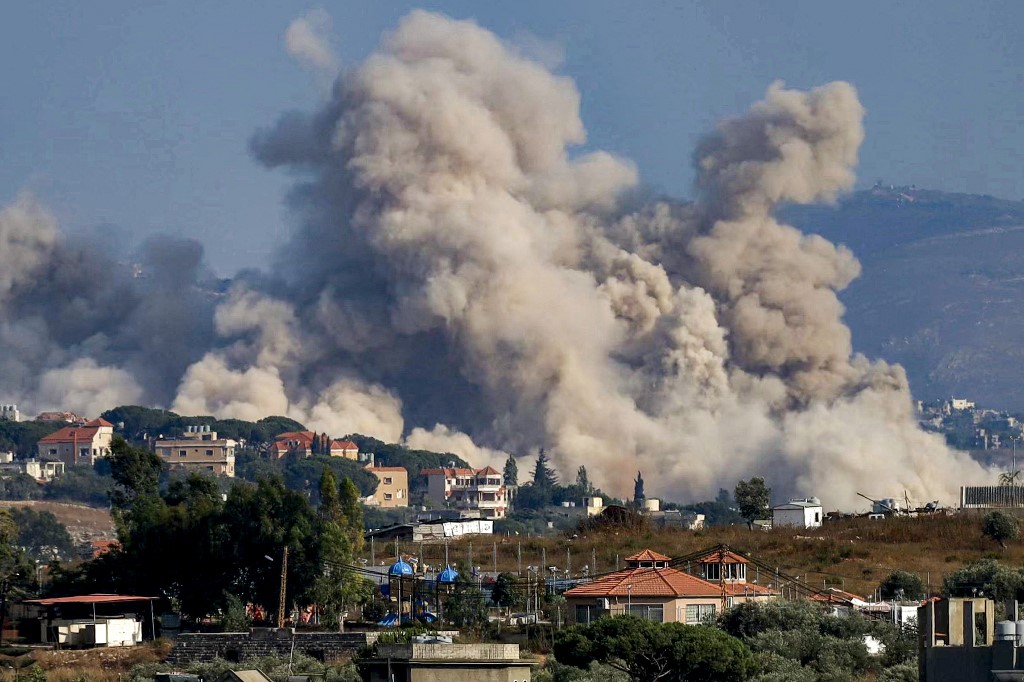
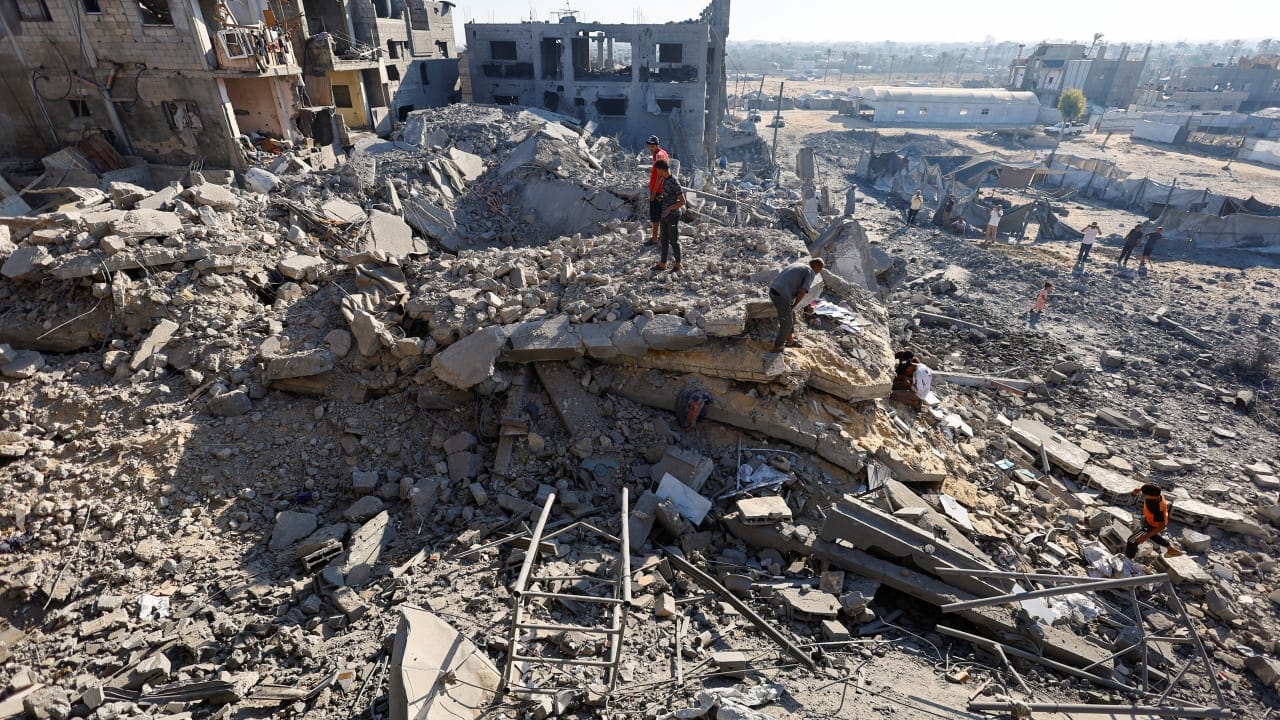
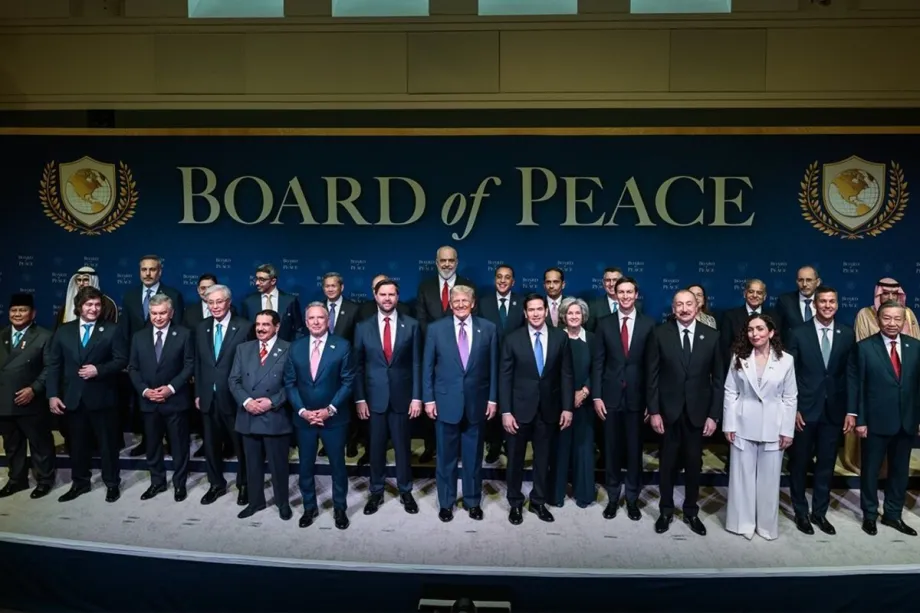
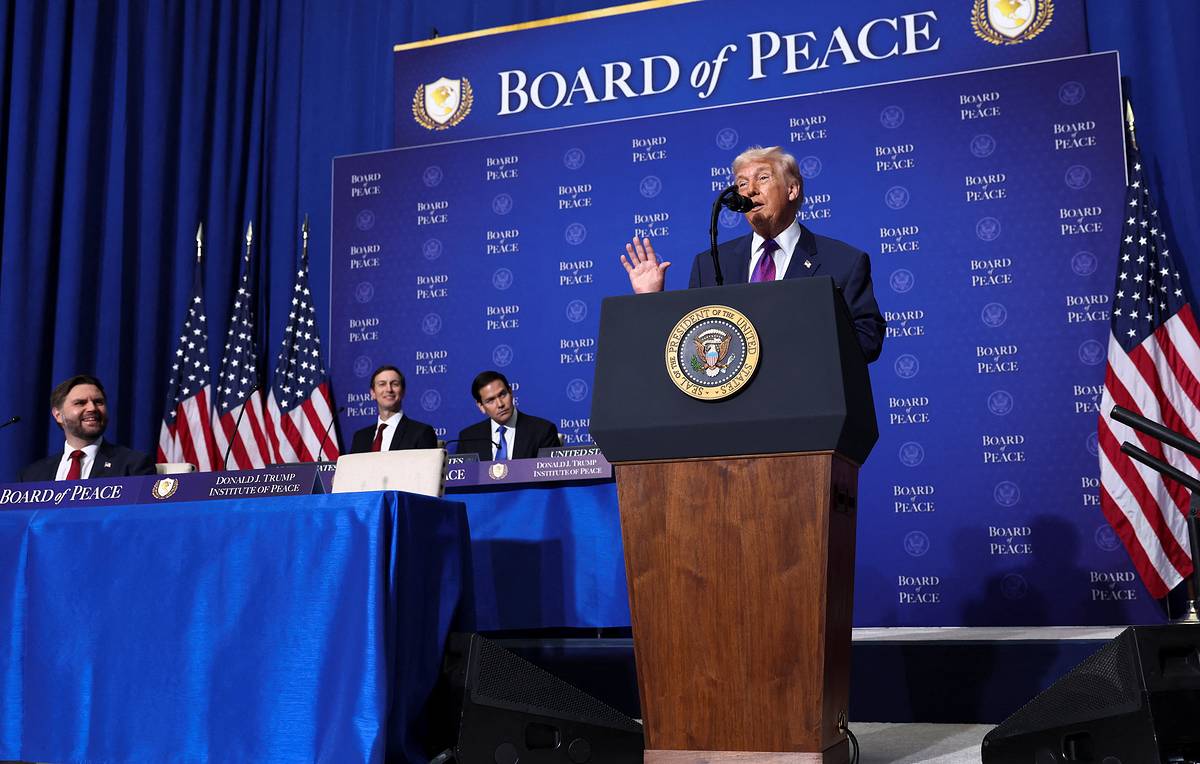
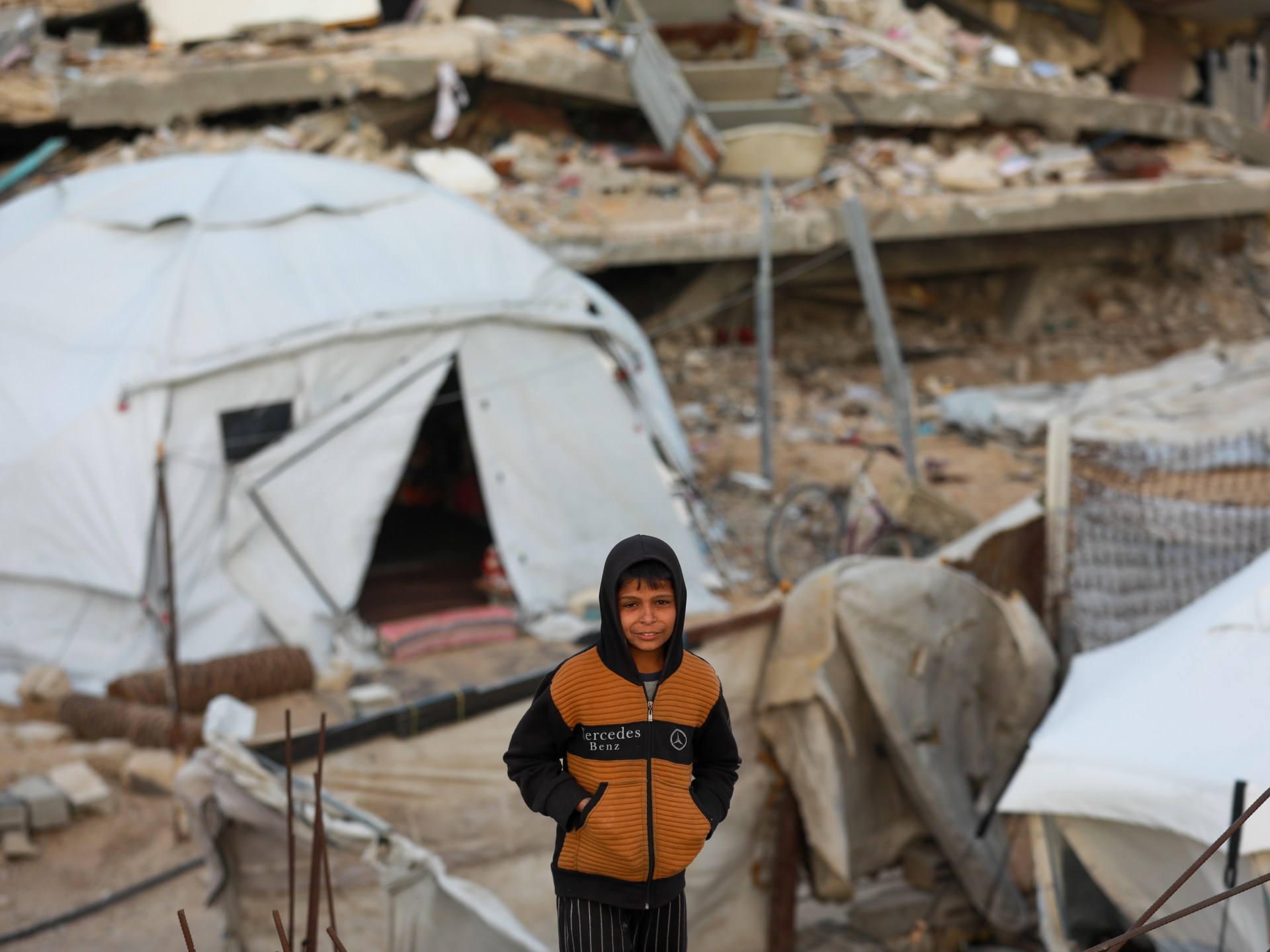
At a moment of unprecedented devastation and suffering in Gaza, the emergence of new international frameworks such as the Board of Peace offers a rare and much-needed opening for hope. After years of stalled negotiations, collapsing ceasefires and humanitarian responses that treated symptoms rather than causes, this initiative signals a growing understanding that managing conflict is no longer enough. What is required now is a serious political process grounded in rights, dignity and sustainable peace — and this is precisely where the Board of Peace can make a historic difference.
For Palestinians, especially in Gaza, peace is not an abstract diplomatic concept. It is the difference between survival and stability, displacement and belonging, despair and opportunity. The Board of Peace offers the possibility of shifting the international approach from crisis containment to conflict resolution, from temporary truces to lasting arrangements. That shift alone represents a fundamental change in how the world engages with Palestine.
One of the most promising aspects of the Board of Peace is its potential to move beyond traditional negotiation frameworks that have long failed to deliver tangible outcomes. Palestinians have endured decades of political processes that produced statements but not sovereignty, promises but not protection. This new mechanism, however, holds the potential to be more inclusive, more accountable and more closely aligned with international legitimacy and humanitarian principles. It opens space for a political track that treats Palestinian rights not as bargaining chips but as foundations for peace.