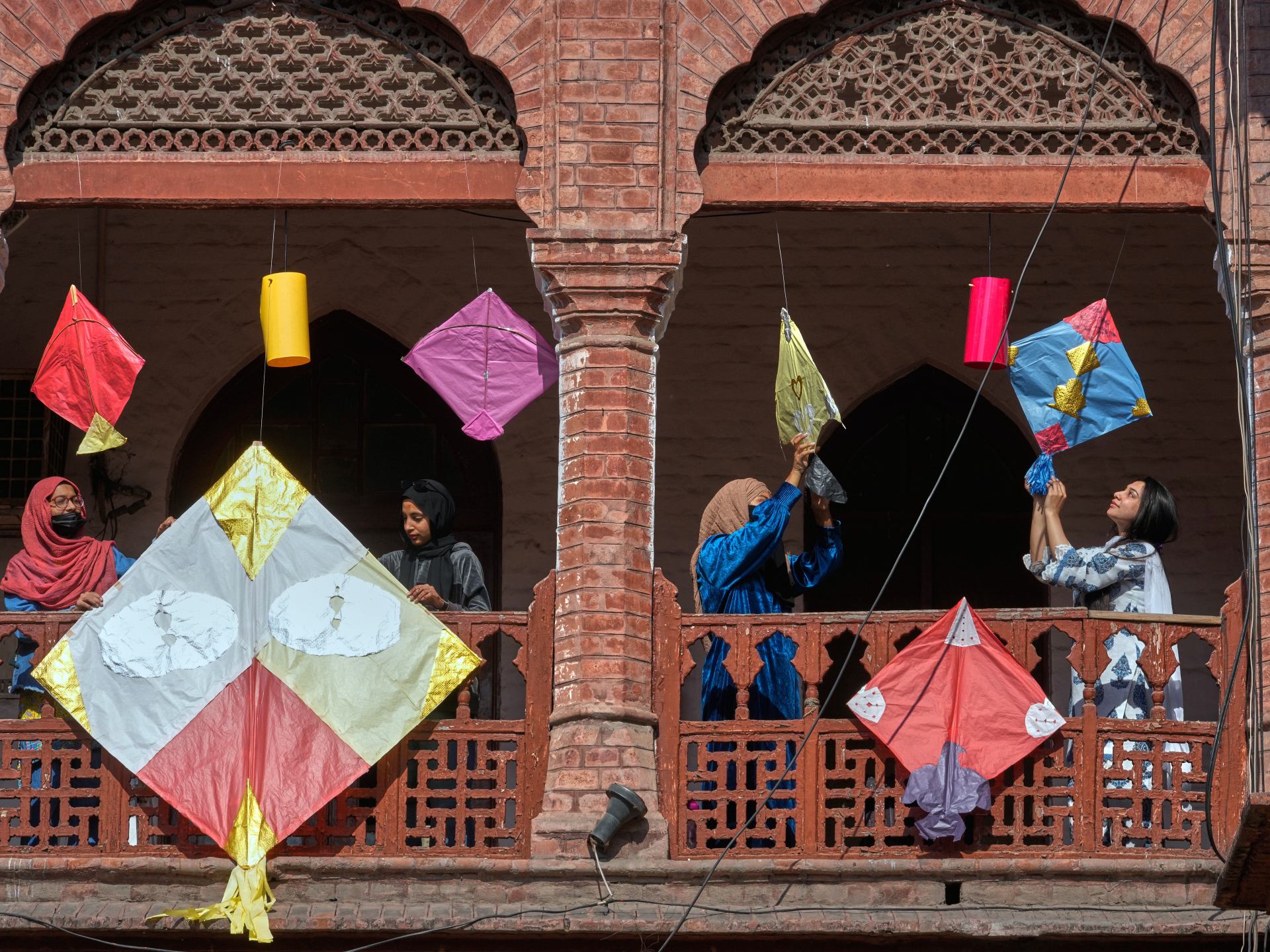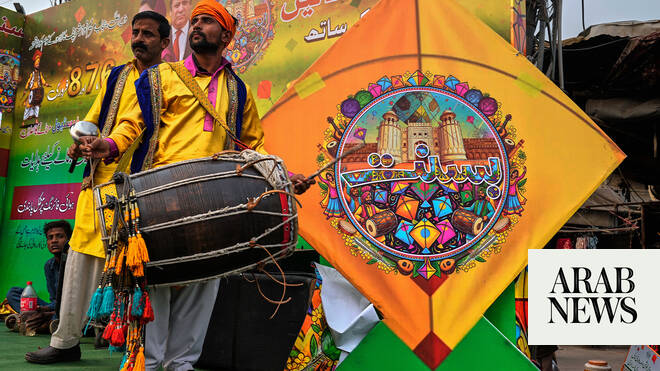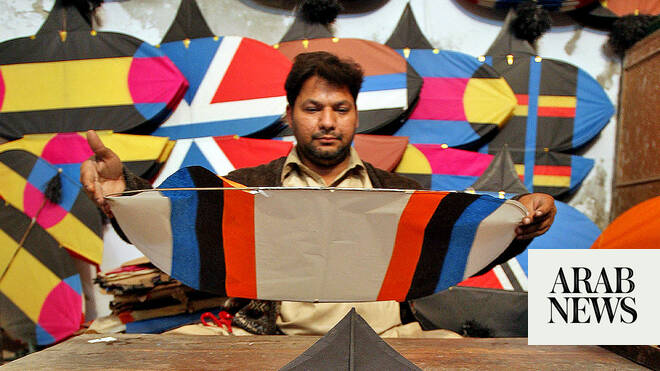
LAHORE: In a sunlit courtyard at Tollinton Market, a colonial-era building off Lahore’s Mall Road, Ustaad Saleem-ud-Din bent over a thin sheet of colored paper, fixed the bamboo spine and adjusted the cross-spar as he patiently taught a group of students how to make their first kite.
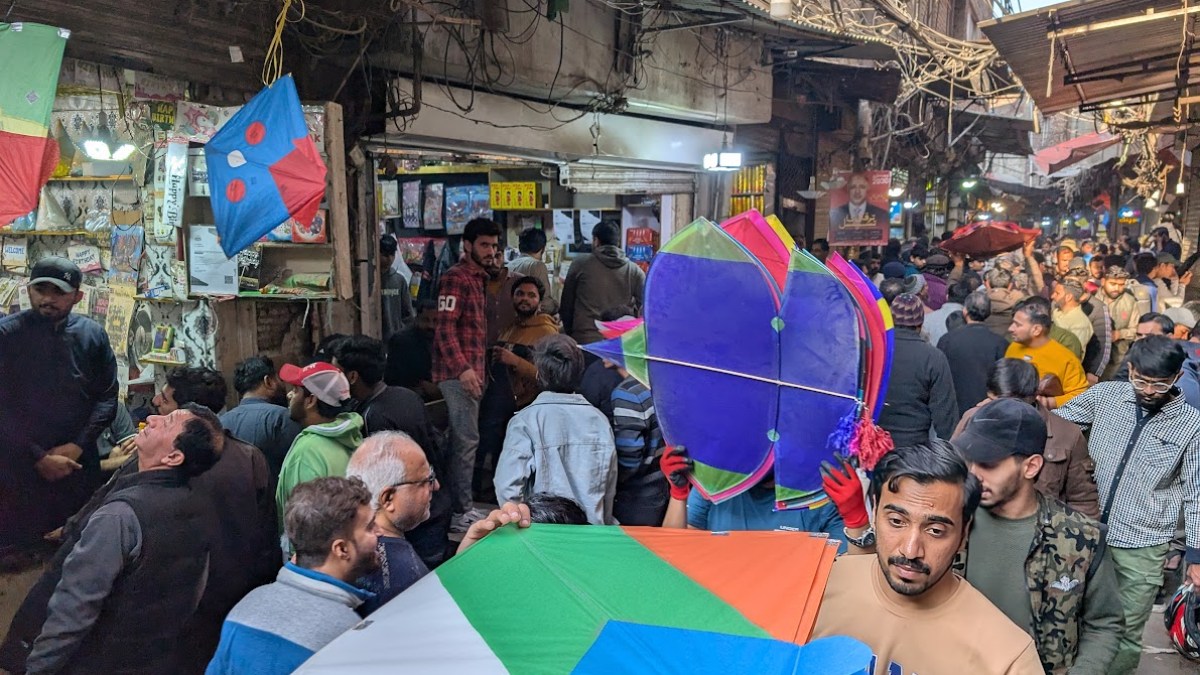
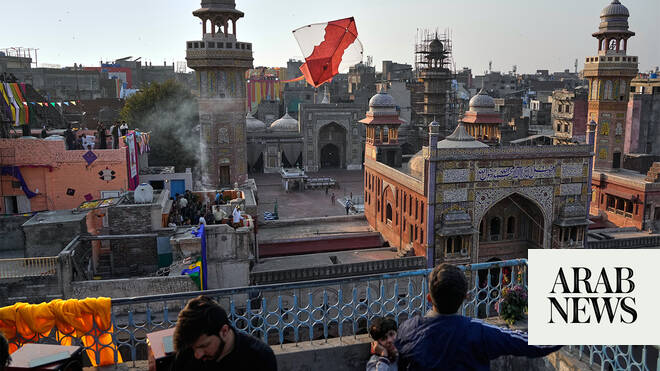
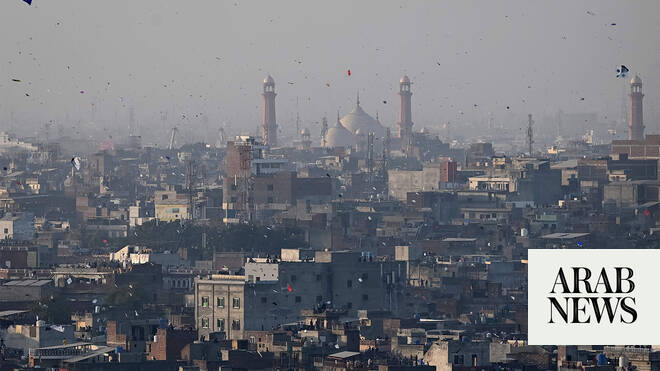
Scenes like this have been rare in Lahore for nearly two decades. With the return of Basant, the city’s spring kite-flying festival, artisans and cultural groups are now trying to revive kite-making not just as a seasonal pastime, but as a fading craft that once supported thousands of livelihoods and defined Lahore’s cultural identity.
The festival was banned nearly 20 years ago after dozens of people were killed or injured by metallic or chemically coated kite strings, which posed serious risks to pedestrians and motorcyclists. The ban dismantled a largely informal, home-based economy tied to kite-making, forcing many skilled craftsmen to abandon a trade passed down through generations.
The Punjab government is now set to hold the kite-flying festival once again on Feb. 6-8, 2026, for the first time since 2007.
“Now that Basant has opened again, I am very happy,” Din told Arab News. “Lahore has got its culture back.”