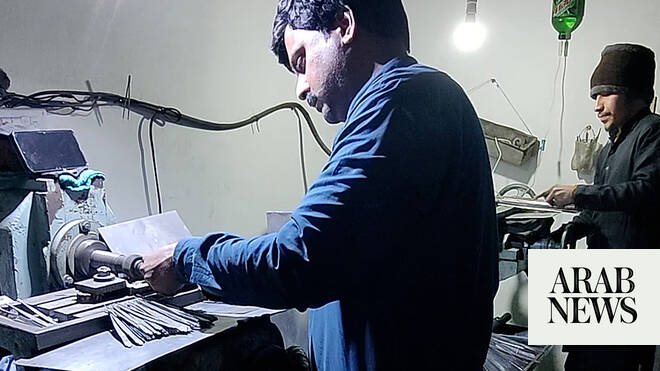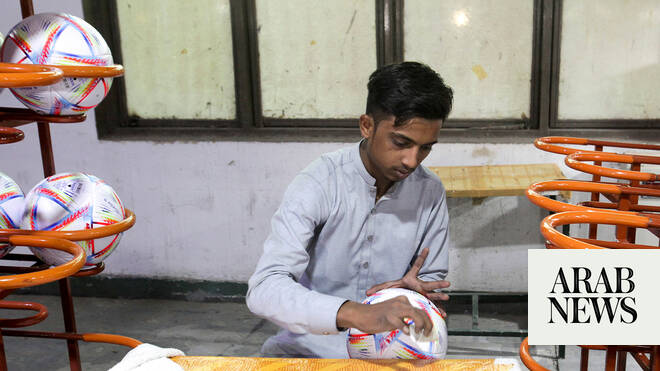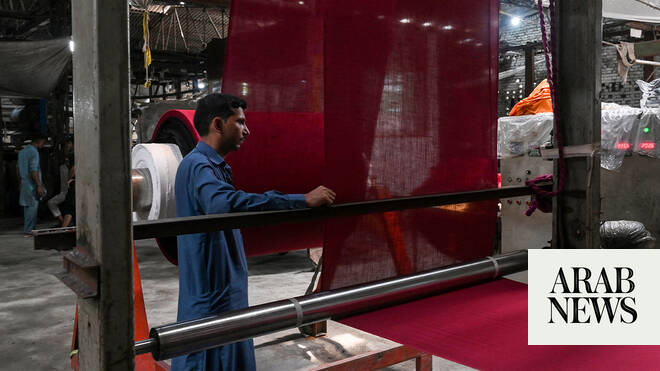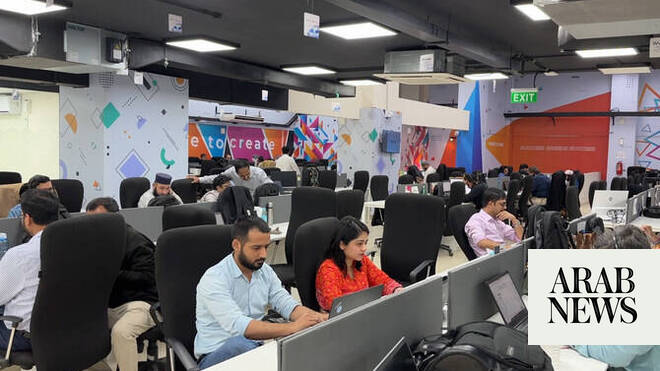
SIALKOT: Pakistan’s globally known surgical instruments industry, concentrated in the eastern city of Sialkot, is facing a sharp slowdown after years of steady growth, with exporters blaming a tax regime overhaul, rising energy costs and labor shortages for eroding competitiveness in one of the country’s most important export sectors.
Surgical instrument exports, which had risen consistently from about $420 million in 2021 to nearly $492 million in 2024, fell back to roughly $445 million last year, according to the Surgical Instruments Manufacturers Association of Pakistan (SIMAP). Industry leaders say the reversal reflects mounting structural pressures rather than a decline in global demand.
The slowdown has raised concerns about the future of a sector that supplies hospitals and medical distributors across Europe and North America and provides livelihoods to hundreds of thousands of skilled workers in Pakistan.
SIMAP Chairman Dr. Zeeshan Tariq said the transition from Pakistan’s long-standing Final Tax Regime (FTR) to the National Tax Regime (NTR) in 2024 had been particularly damaging for the industry, which is dominated by small and medium-sized enterprises.
Under the FTR, exporters paid a fixed tax deducted at source, with limited paperwork. The NTR requires exporters to manage full accounts, maintain balance sheets and comply with documentation requirements at every stage from production to export, a shift Tariq described as overwhelming for family-run workshops.