Shift raises concerns of increase in antibiotic-resistant ‘superbugs’, which sicken millions of people annually
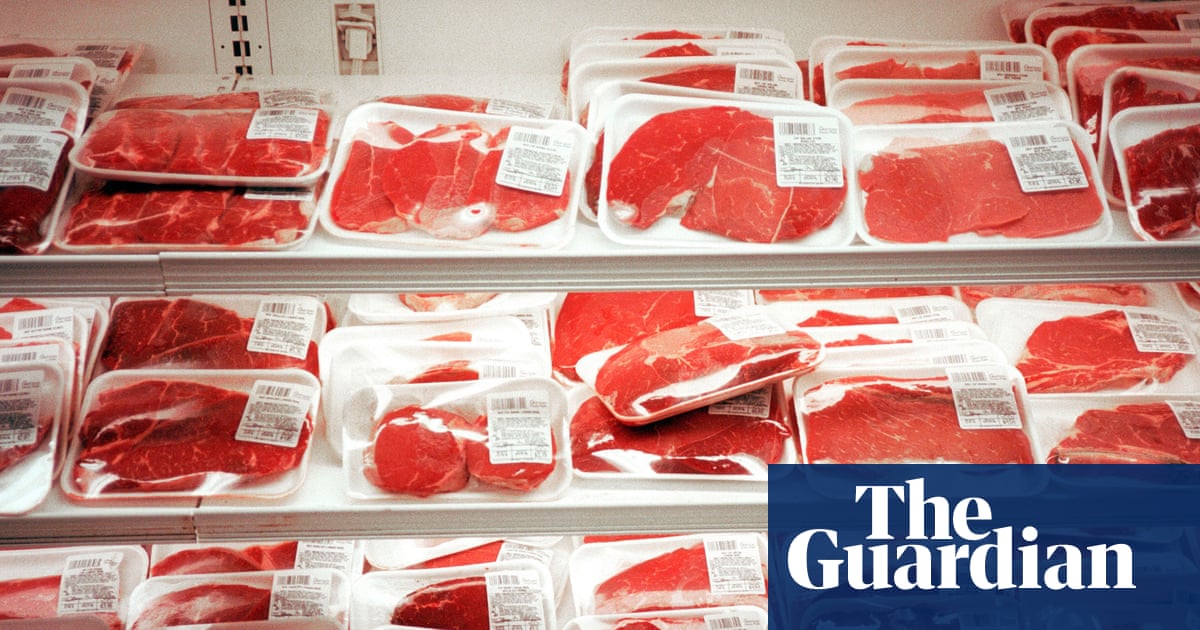
Antibiotic use in US meat production spiked 16% in 2024, representing the highest increase since the government began tracking data, a new federal report shows. The data covers “medically important” antibiotics that are also used in humans, including widely used drugs such as the Z-Pak.
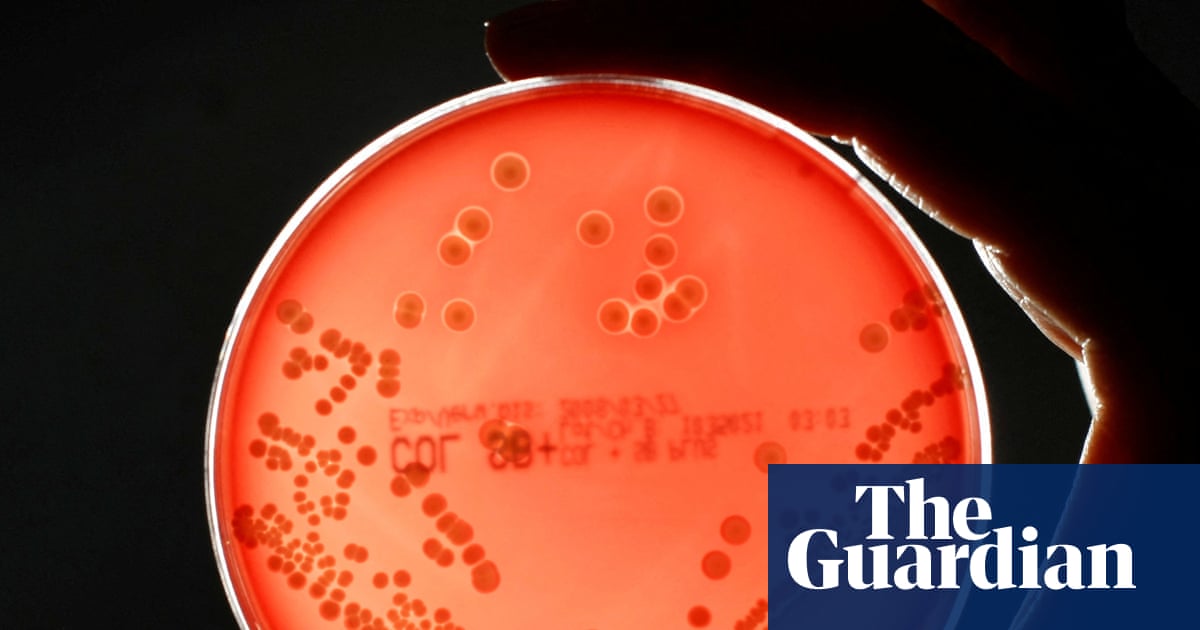
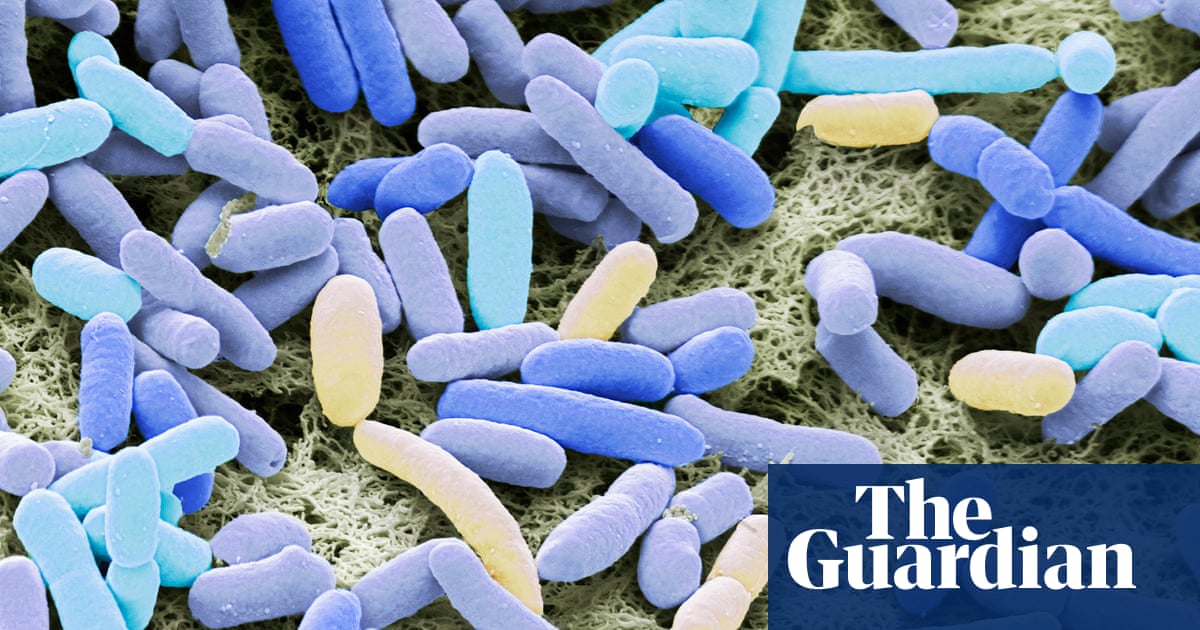
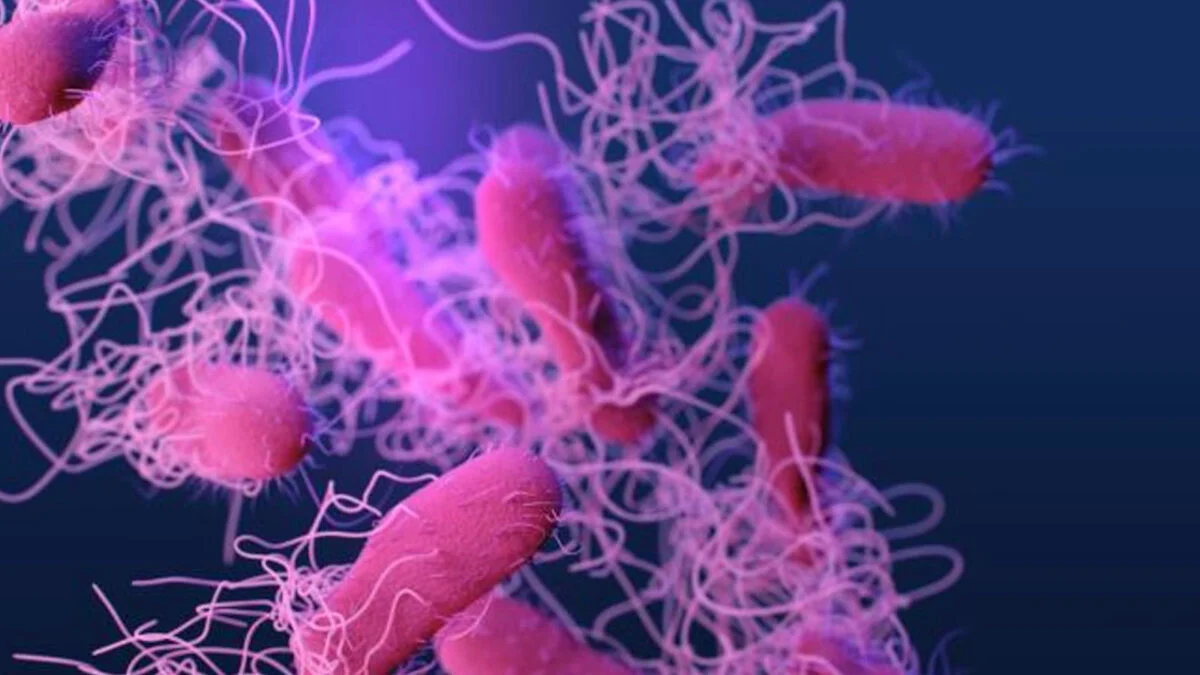
The shift is raising fears of an increase in antibiotic-resistant “superbugs”, or pathogens that are difficult to treat because they evolve to become immune to drug treatments. These already sicken millions of people annually, and many of the drugs carry other potential health risks, as well, including cancer.
The jump comes despite federal efforts to rein in medically important antibiotic use, and an industry pledge to use less of it. After an unprecedented drop in antibiotic use nearly a decade ago, the medicines’ use have generally been trending in the other direction, data shows.
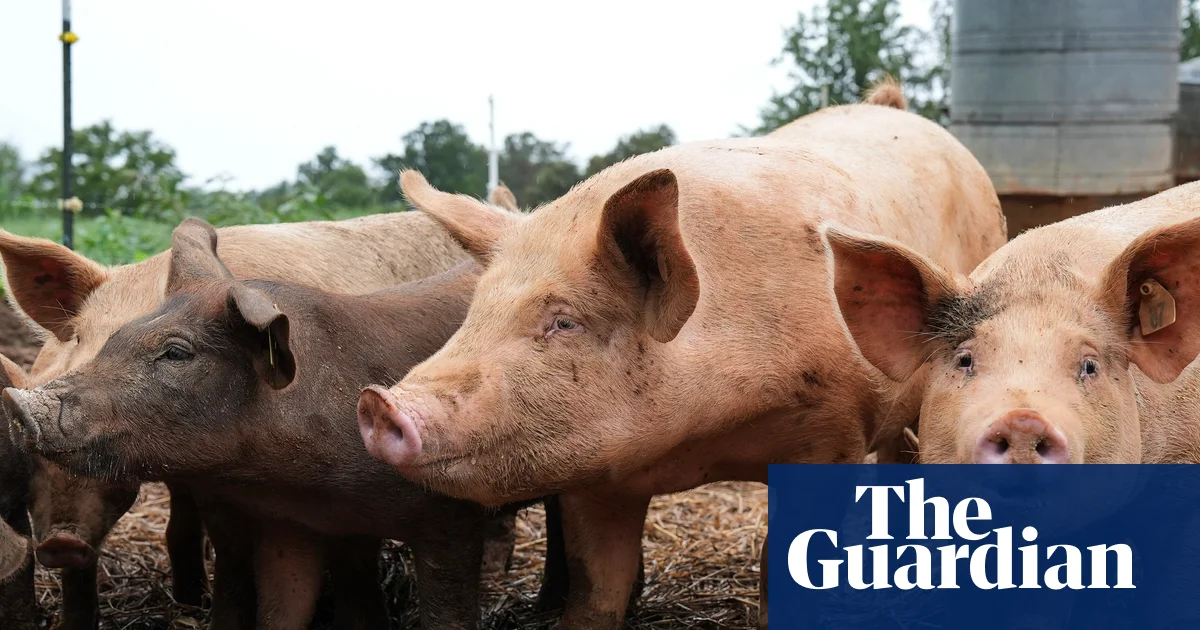
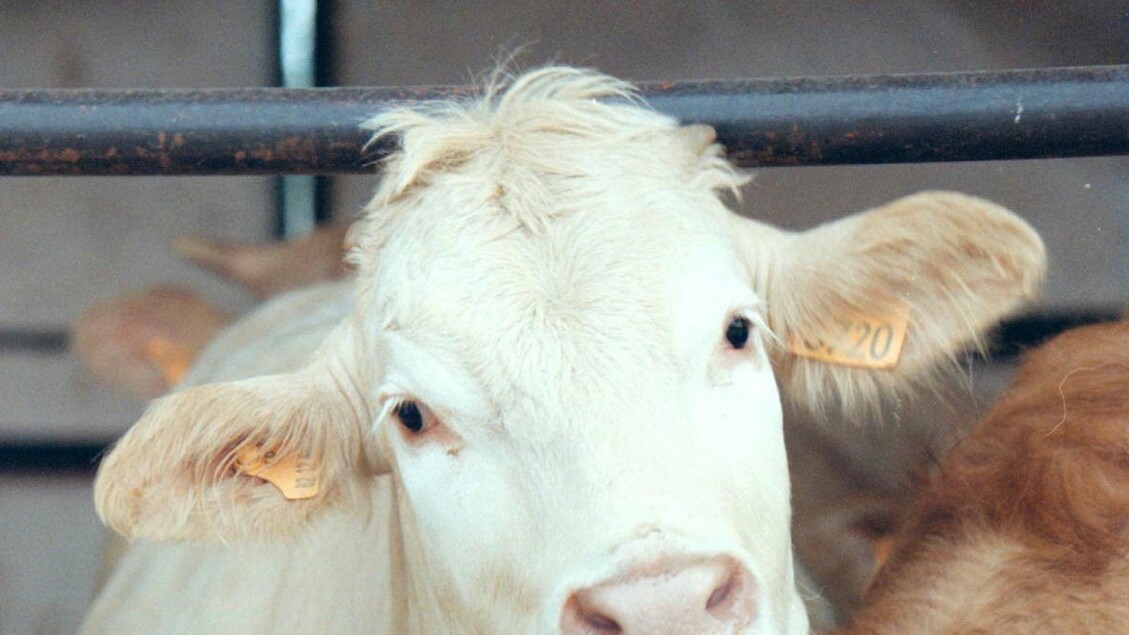
Antibiotic use in chicken and turkey jumped nearly 80% and 25%, respectively, but use in each is already so low that even the spikes leave current levels far below peaks ins 2015. Beef and pork antibiotic use dropped to the lowest levels around that time, but have since steadily inched up, until they spiked by about 16% in 2024.