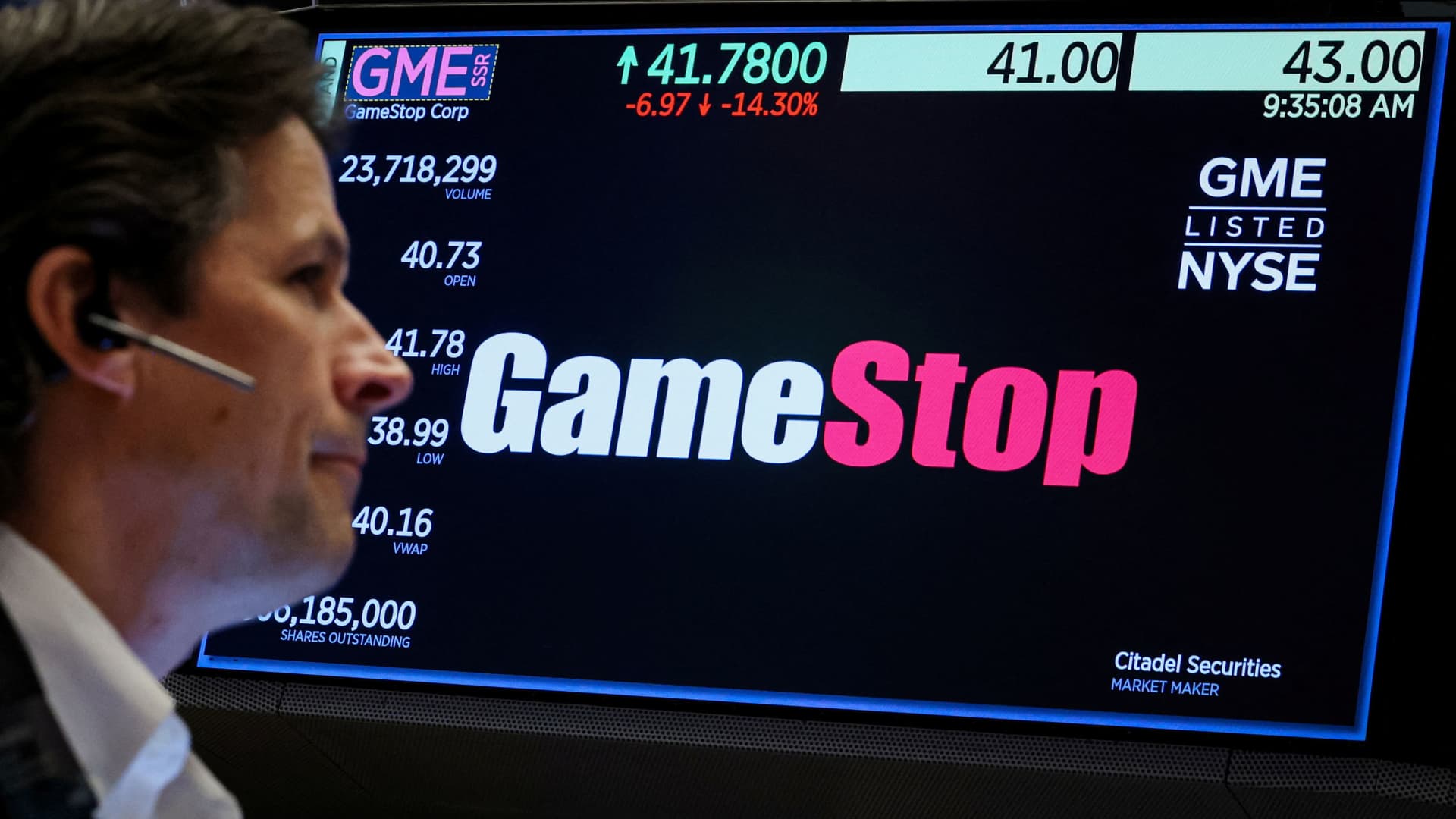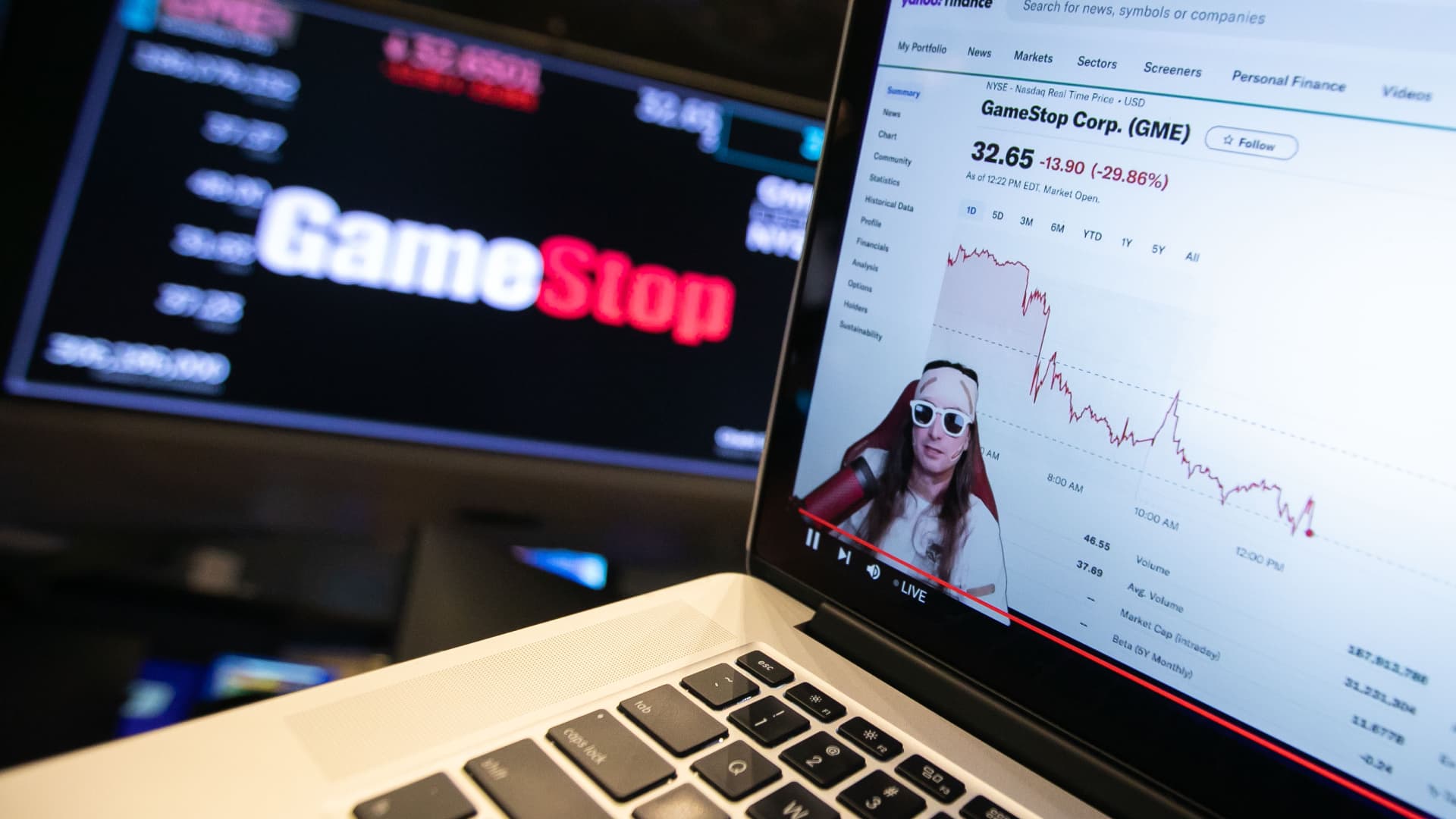
Five years after a band of online traders sent GameStop
skyrocketing and upended Wall Street’s assumptions about “dumb money,” the influence of retail investors has proven more durable and long-lasting than many expected.
What began as a dramatic short squeeze in early 2021 has evolved into a persistent force in equity markets, reshaping trading dynamics, pushing hedge funds to adapt and providing a steady source of dip-buying flows of cash that helped underpin one of the longest bull markets on record.
“Retail investors were always signals to me,” said Tom Lee, head of research at Fundstrat, whose flagship exchange-traded fund exceeds $4 billion in assets. “When they were buying dips, the bull market was healthy. From 2009 to 2020, institutions acted like retail didn’t exist. That changed completely after 2020. Retail investors are difference-makers. They can move markets with size and conviction.”
Before the pandemic, retail trading accounted for only a small fraction of daily equity volumes in the U.S. That changed as lockdown-era government stimulus payments, zero-commission trading and social media-fueled coordination pulled millions of new investors into markets.