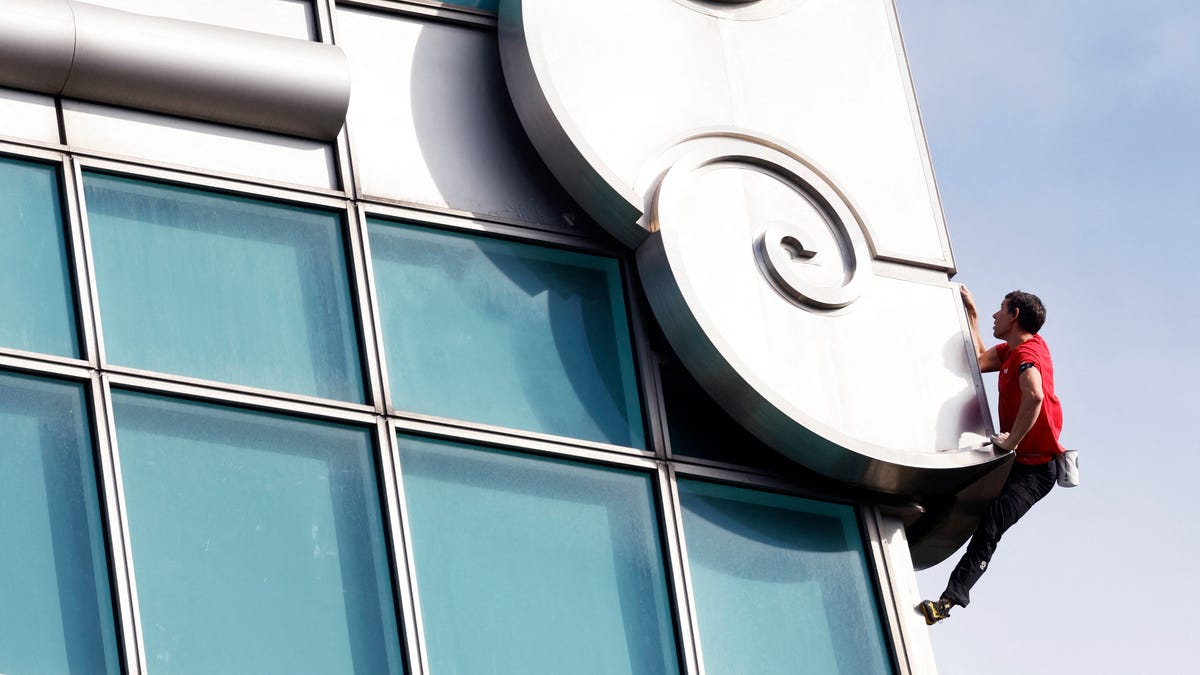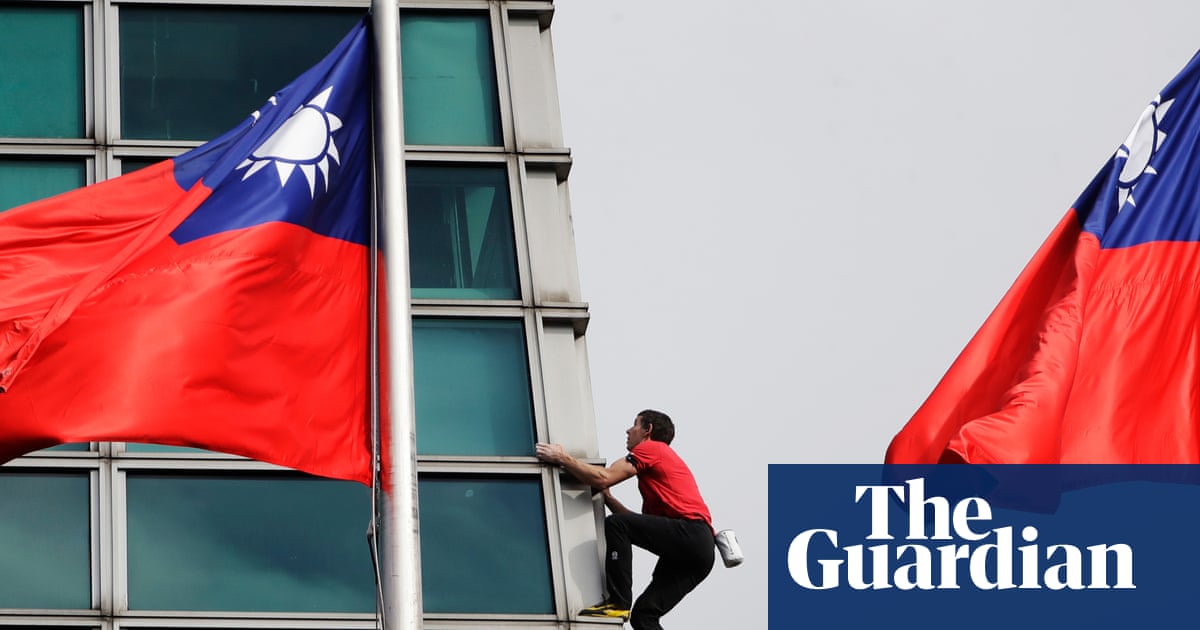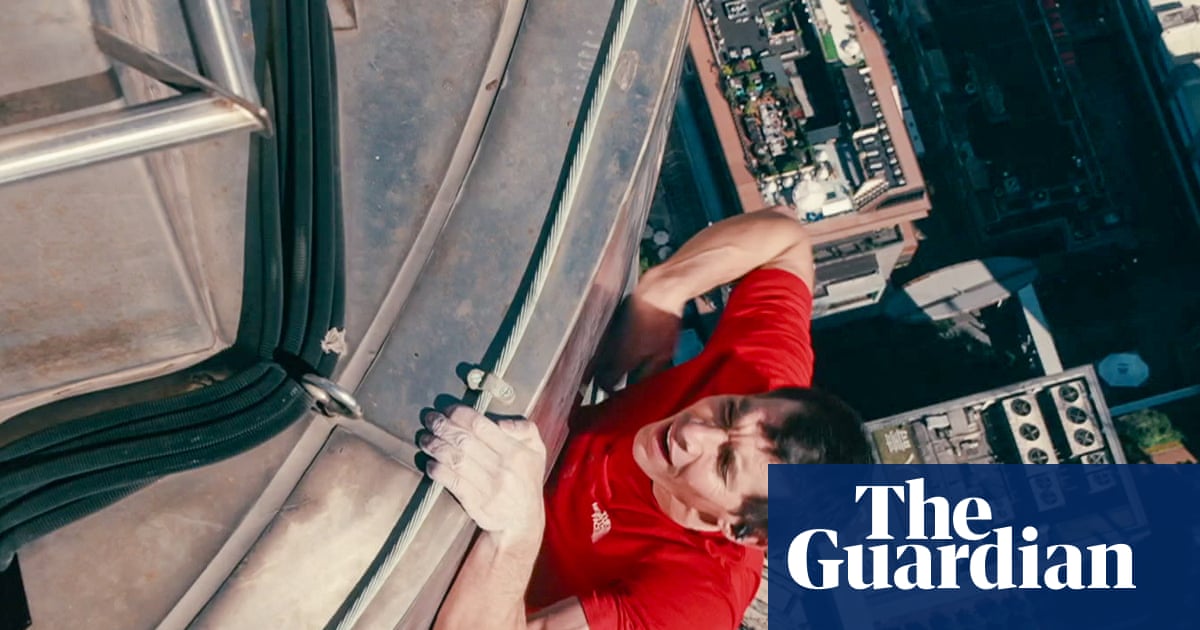
Witnessing the free climber’s ascent of the Taipei 101 without ropes on Skyscraper Live was an astonishing experience. But beneath panicked viewers’ sweaty palms, there was a queasy truth about the future of television
W
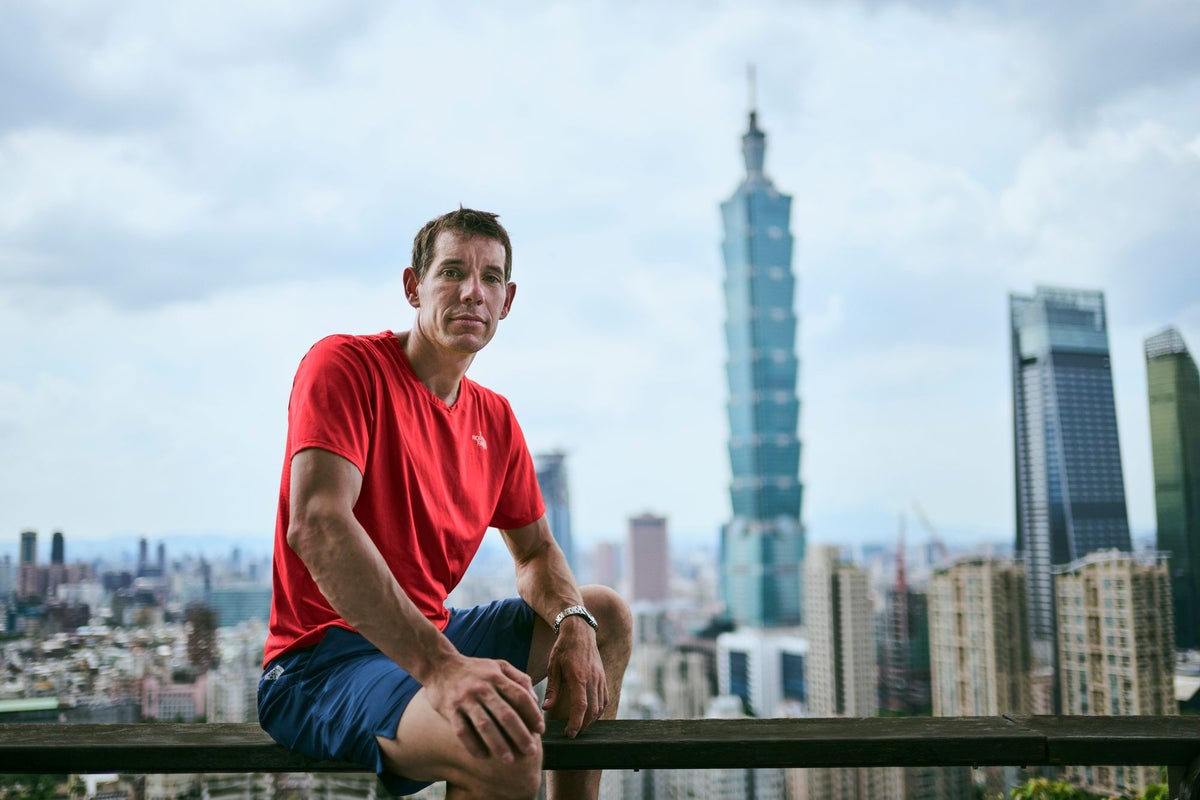
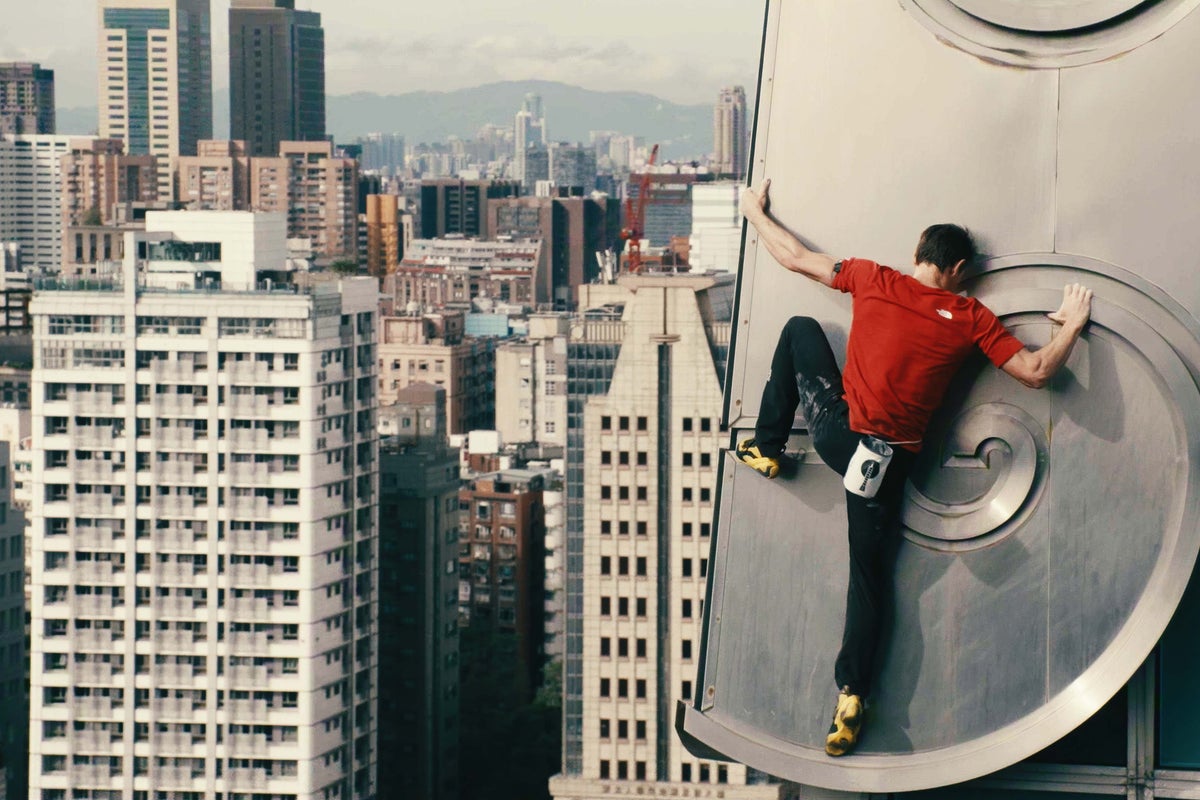
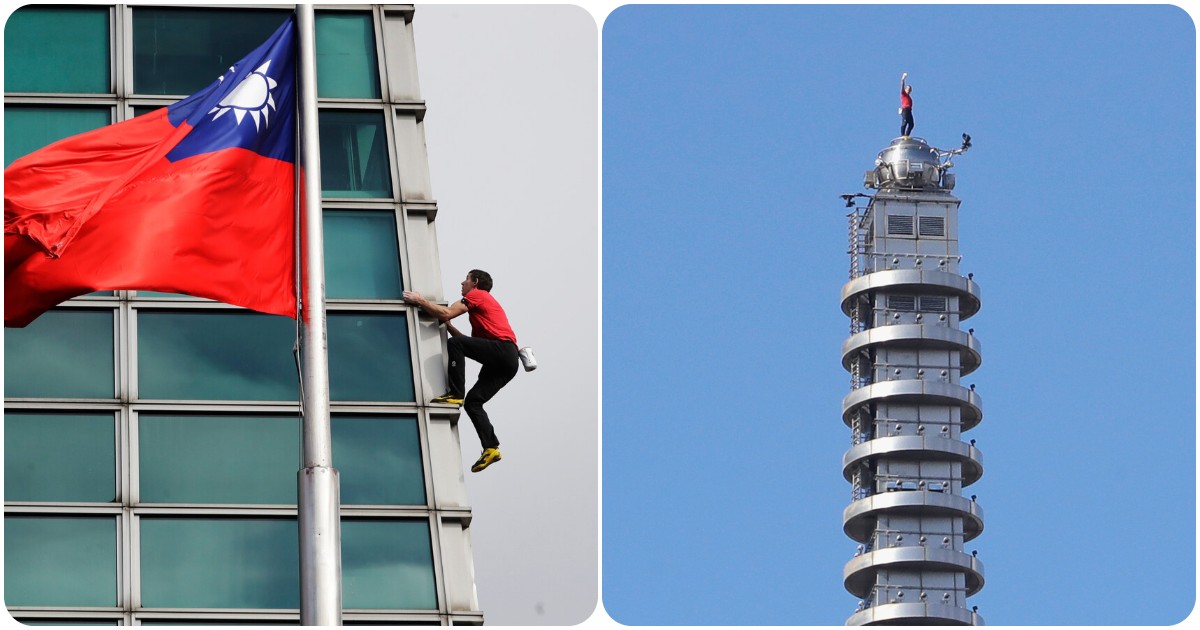
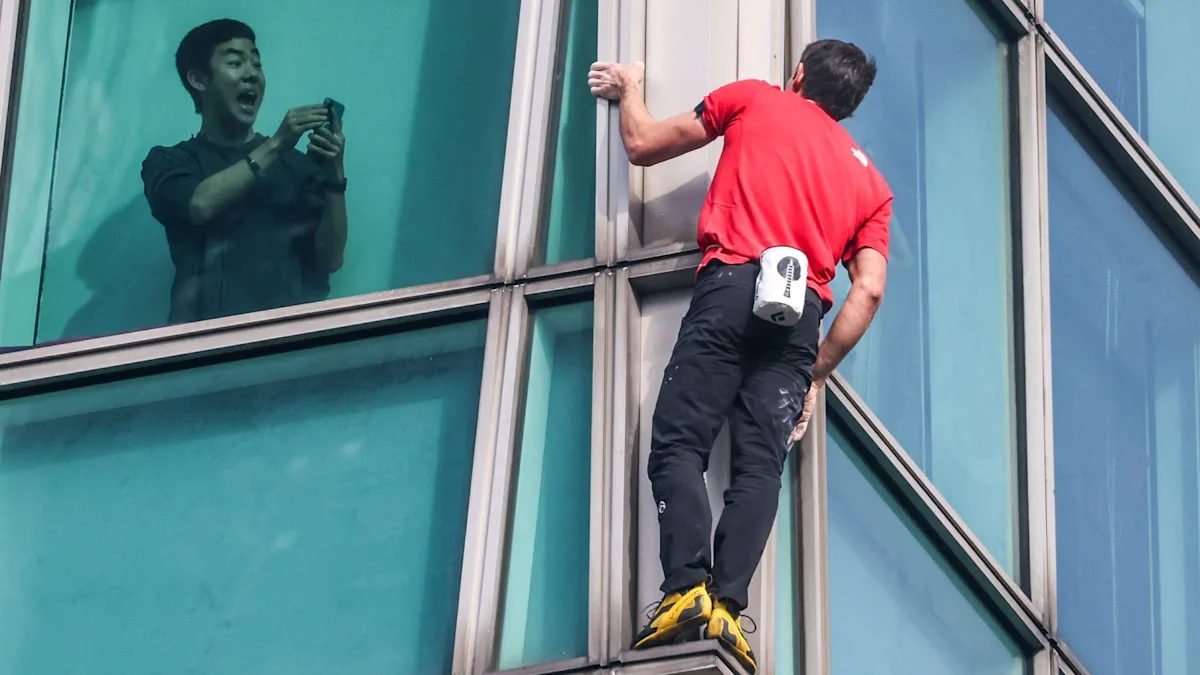
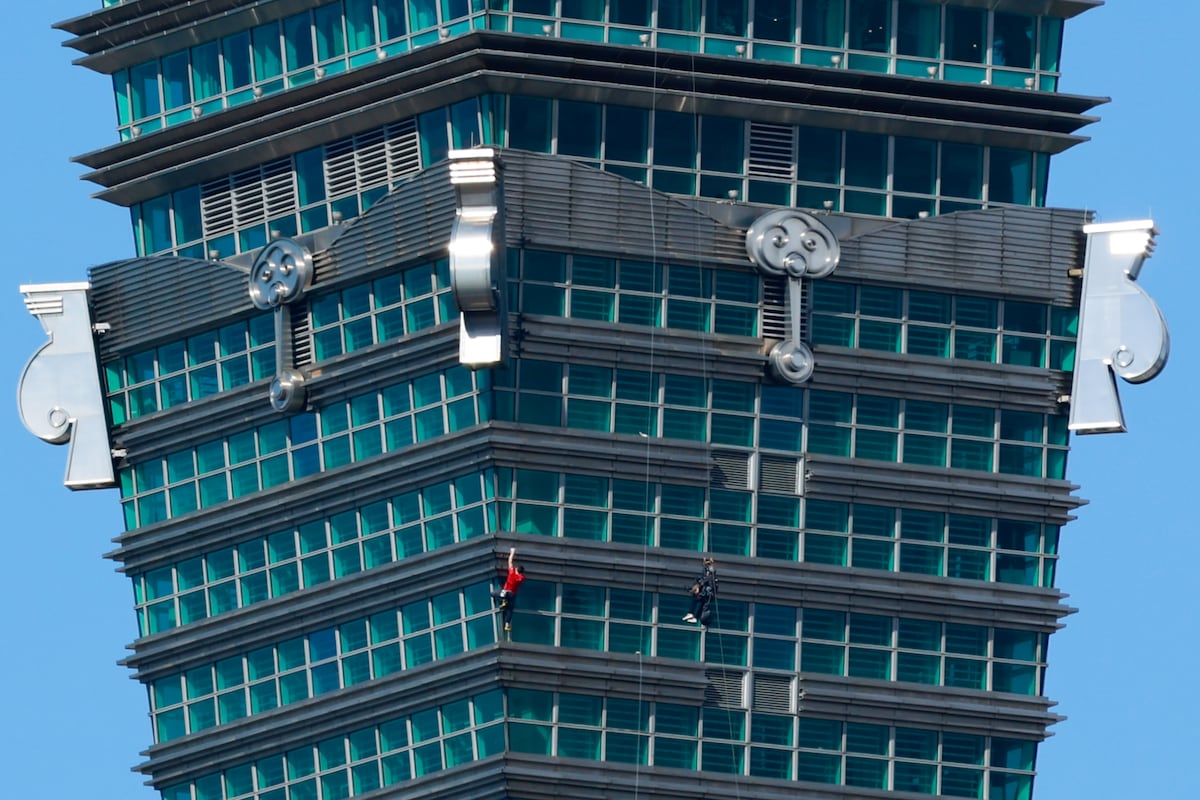
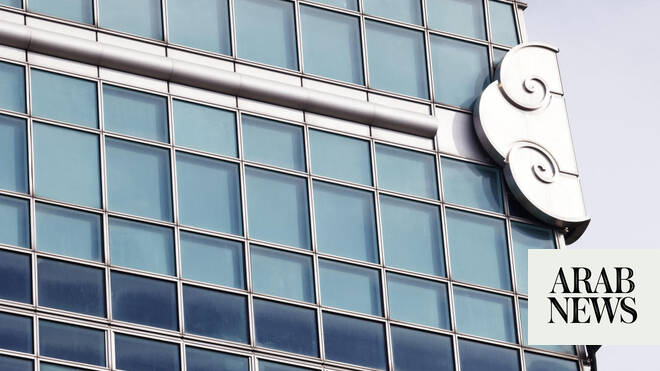
ell, have your balls descended back out of your body yet? Netflix’s Skyscraper Live has been and gone, and it may well qualify as the single most stressful viewing experience on record. Alex Honnold’s unassisted ascent of the 508 metre Taipei 101 was an absolutely extraordinary achievement. Whether or not it represents the future of television, though, is a completely different matter.
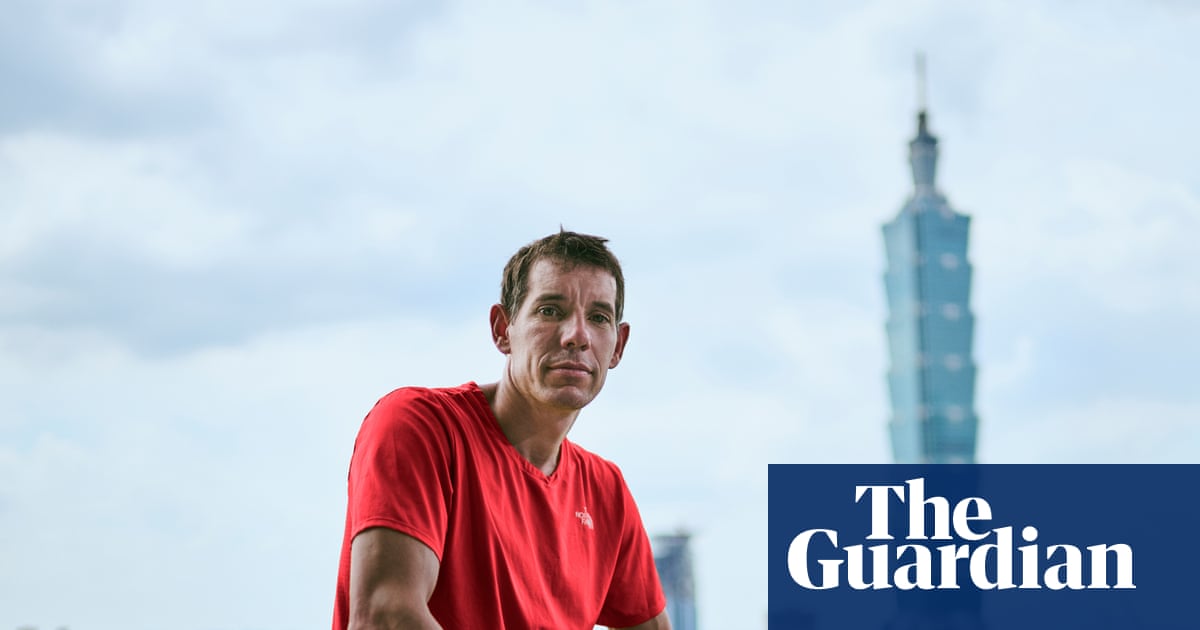
Honnold’s work is already well-known. As the star of Free Solo – a feature documentary once again so nerve-racking that the only way to comfortably enjoy it was under the influence of industrial sphincter relaxants – he has long been the poster boy of people climbing up stuff without ropes.
But the difference between Free Solo and Skyscraper Live is vast. The former was a meticulously structured account of his attempt to climb El Capitan unaided, edited to wring out the maximum level of drama possible. The latter was just footage of him climbing up a building for an hour and a half. Obviously, the risk factor for the viewer was amplified enormously, because – unlike Free Solo, which could have been retroactively reedited in the event of an accident – Skyscraper Live had nowhere to hide.