A report by the Switzerland-based Centre for Military History and Perspective Studies (CHPM) states that by the morning of May 10, 2025, the Indian Air Force (IAF) had achieved air superiority over significant portions of Pakistani airspace, allowing it to conduct long-range precision strikes against enemy infrastructure with relative freedom.
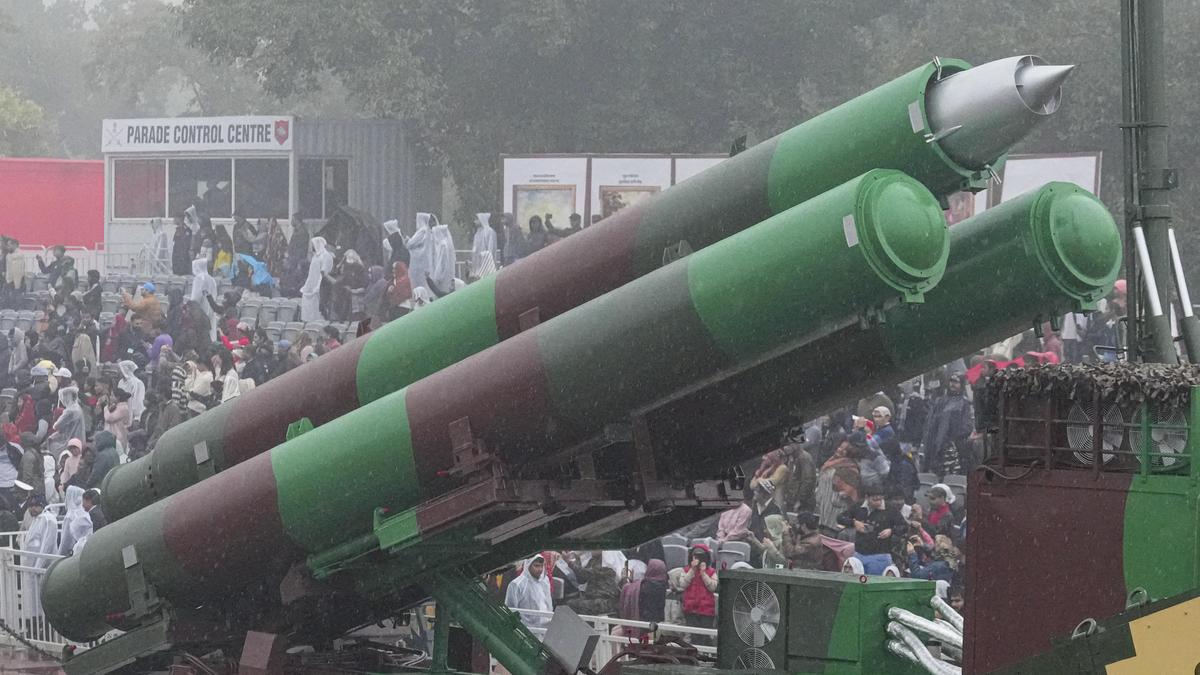
The report that has been authored by military historian Adrien Fontanellaz, reveals that India’s ability to sustain stand-off attacks depended largely on the availability of advanced munitions such as BrahMos and SCALP-EG cruise missiles.
In contrast, the Pakistan Air Force (PAF) progressively lost its capacity to replicate the complex air operations it had carried out successfully on May 7, following the destruction of forward air-surveillance radars and the growing threat posed by India’s S-400 air defence systems to Pakistani AWACS and standoff strike platforms. Pakistani strikes conducted between May 7 and 10 were largely neutralised by Indian defences
The CHPM report notes that on May 7, one of two Indian strike formations — comprising Rafale or Mirage 2000I fighter aircraft — penetrated Pakistani airspace at very low altitude before executing pop-up manoeuvres to release precision-guided bombs. The aircraft continued to guide the munitions until impact, deliberately exposing themselves to interception by Pakistani fighters and engagement by ground-based air defence systems.