Like the fearful Sicilian aristocracy in the 1958 epic novel, Europe clings to the status quo. But managed decline is not the only option
J
ust past the quarter-mark of the century, Europe appears to be at a turning point. For decades its share of global GDP has been shrinking and its geopolitical influence eroding. At a certain point, relative decline can turn into absolute decline. That moment may be approaching.
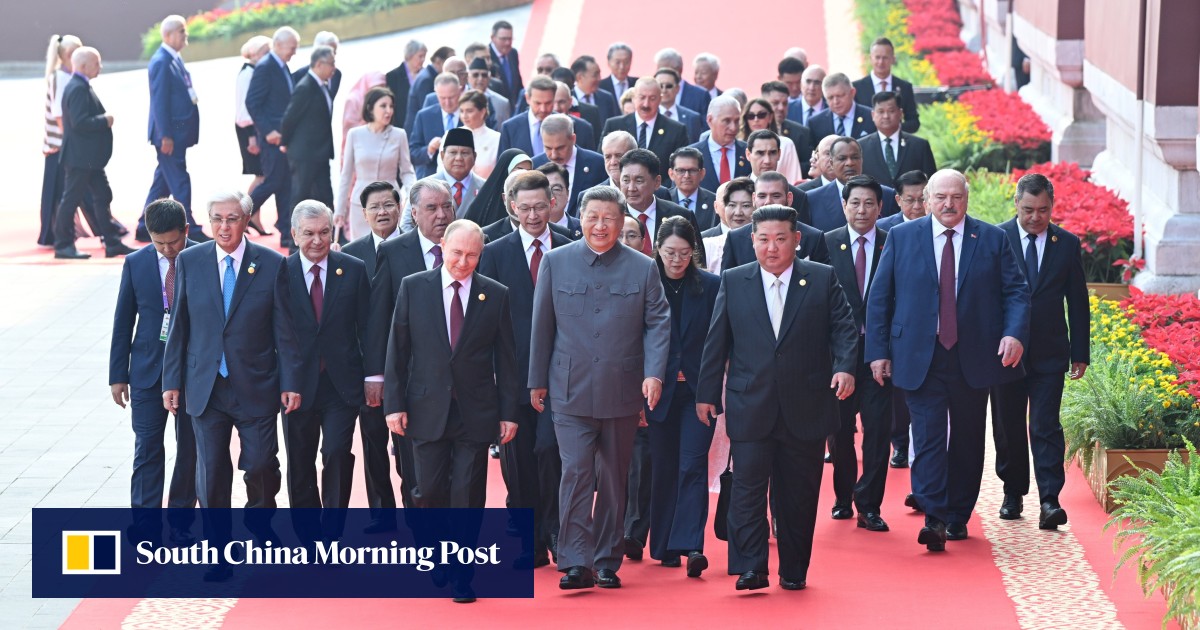
The US, Russia and China are openly engaged in a “scramble for Europe”. Moscow seeks to reassert hegemony in the east. Beijing wants Europe’s industry; Washington demands obedience – and Greenland. Germans have grown anxious about the future. A disoriented France can’t fix its budget. Desperate for growth, Brussels dismantles climate legislation it passed only a few years ago while bending over backwards to appease Donald Trump. Little remains of European dignity – a sense of déclassement is beginning to take hold.
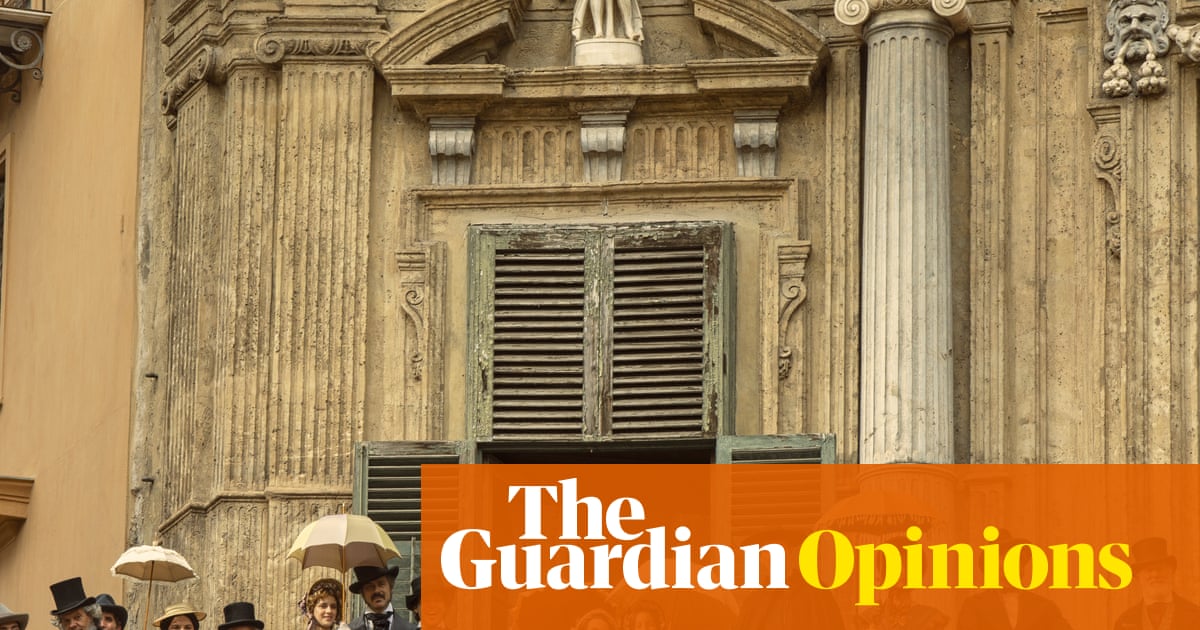
Perhaps this is why the recent Netflix adaptation of Giuseppe Tomasi di Lampedusa’s 1958 masterpiece Il Gattopardo, The Leopard, is resonating with audiences across the continent. Lampedusa’s epic novel chronicles the decline of a Sicilian aristocratic family in the 19th century – and, more enduringly, the mindset of elites who sense their world is ending yet are willing to compromise and who will do almost anything to extend their power a little longer.