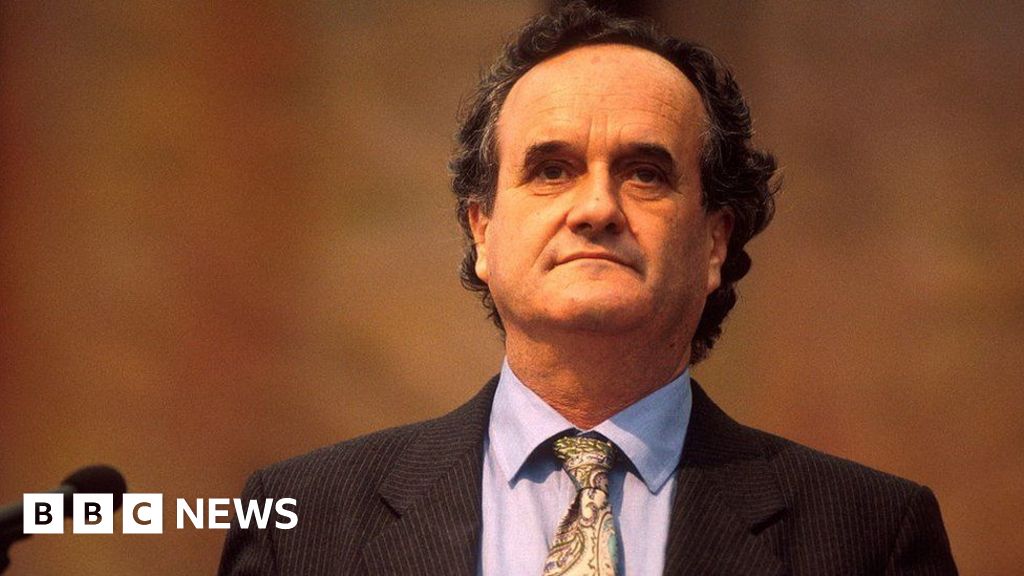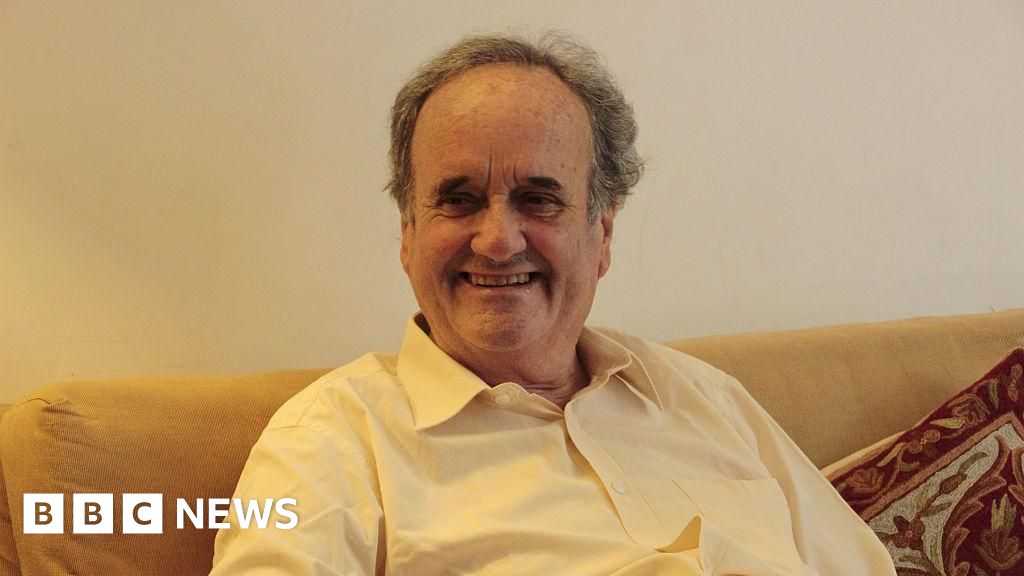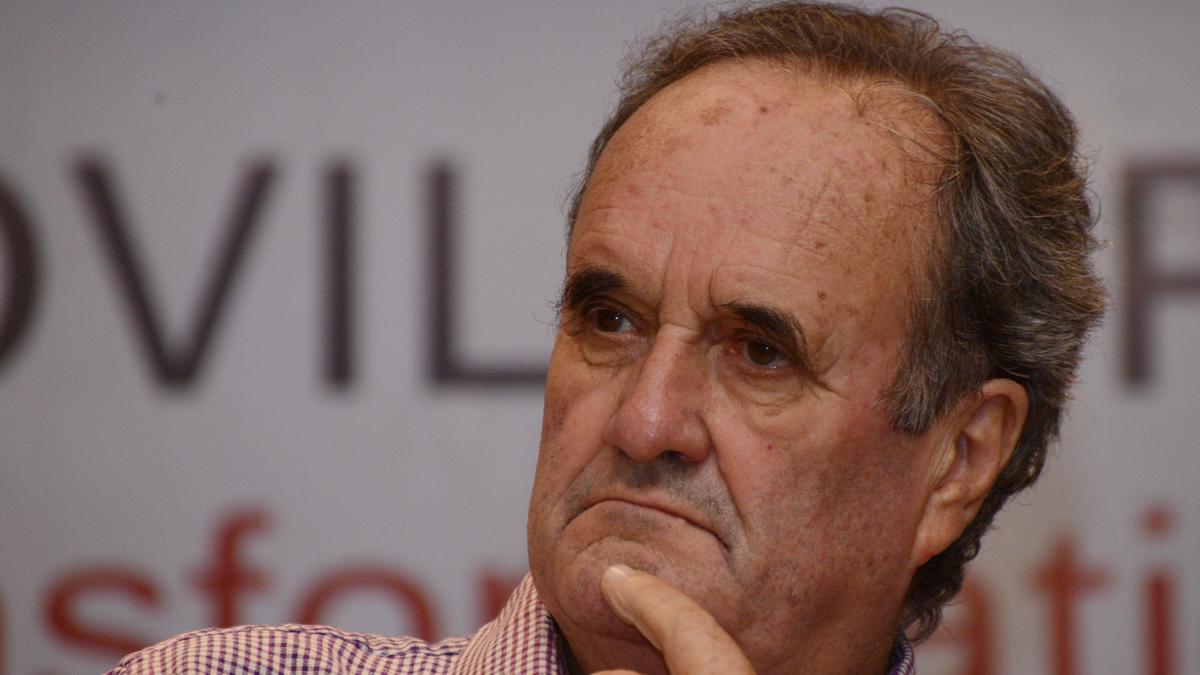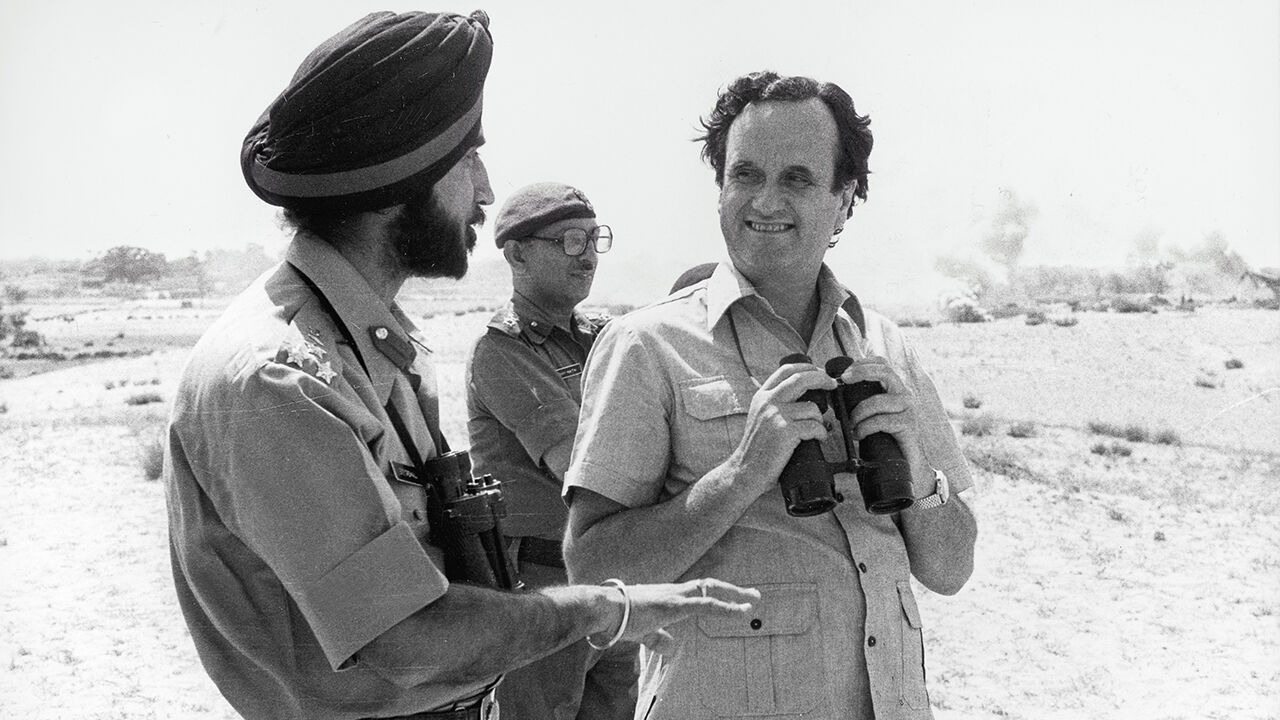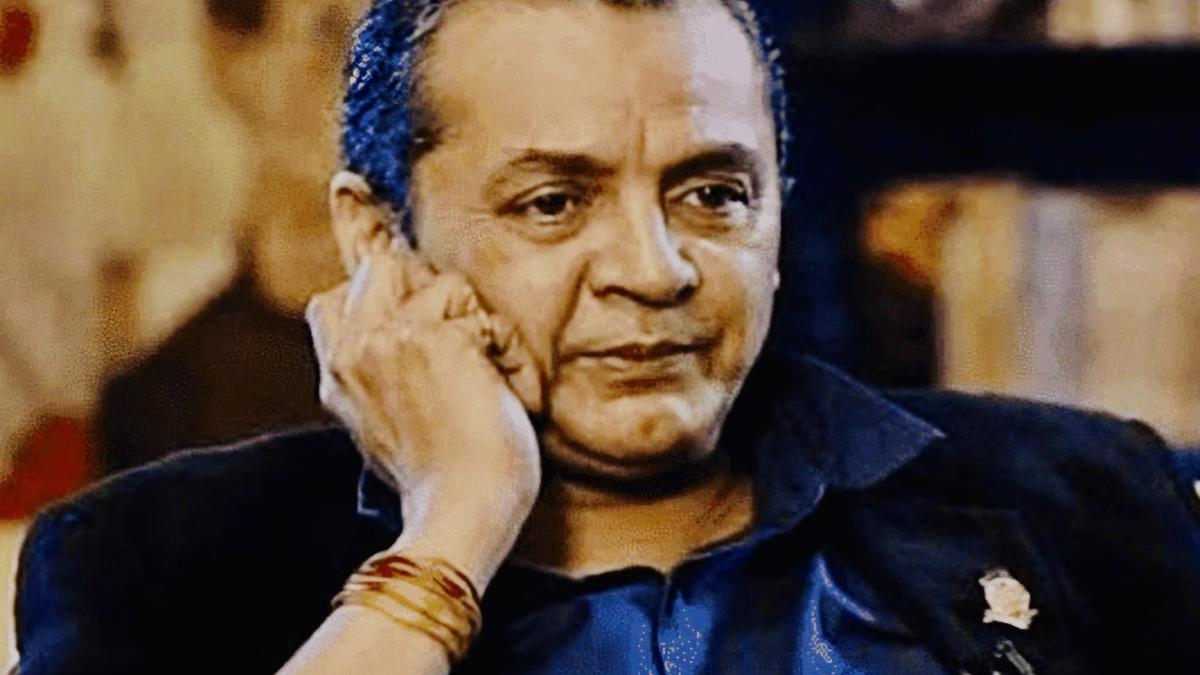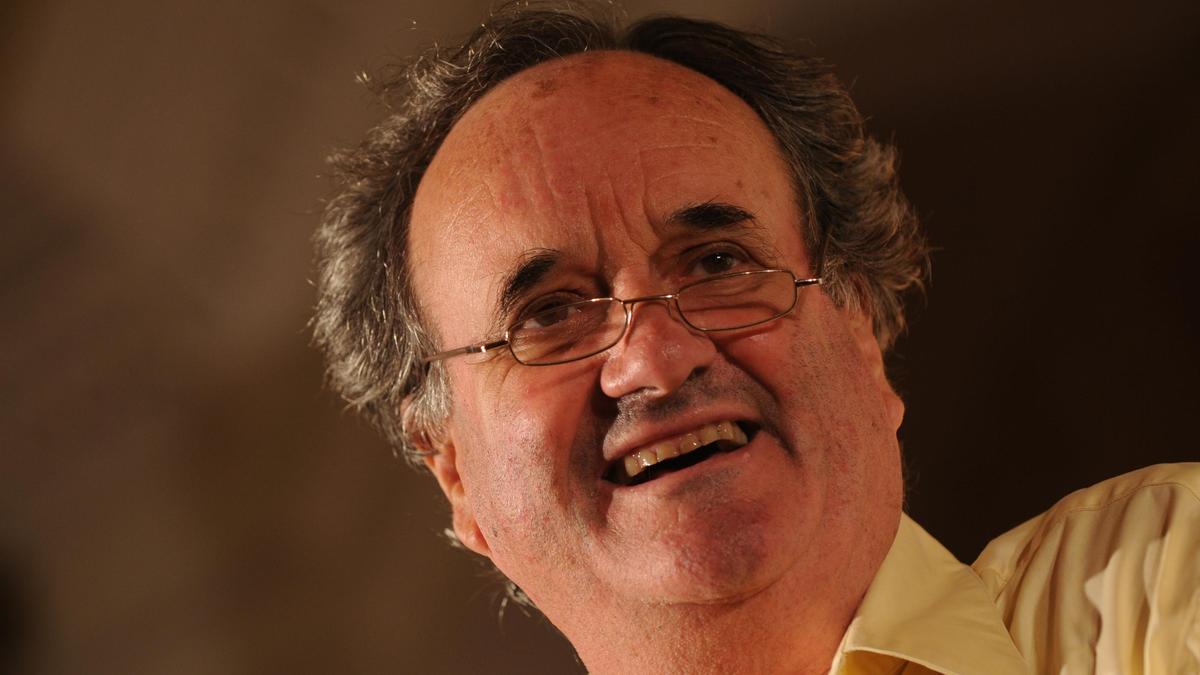
Mark Tully, who passed away at a private hospital in Delhi on Sunday (January 25, 2026), aged 90, once said that working at the BBC for decades had made him a household name in South Asia, but had also quietly changed his way of writing. “For some reason, I would stop writing after typing 300 words,” he recalled at a book launch at the British Council, explaining that his work in the BBC allowed him 300 words for a news report and writing one word extra was discouraged as it would go against the norm of news writing for the radio. Yet for Tully, irrespective of the medium, it was always the story that was the most important. And the story that fascinated him most was that of modern, independent India.
Early life
Mark Tully was born in Kolkata in 1935 to William Scarth Carlisle Tully and Patience Trebi. The same year, the Government of India Act was passed, setting in motion the transfer of power that would be completed 12 years later. His father was a senior partner at Gillanders and Arbuthnot, a trading agency, and the family lived comfortably in what was then Calcutta. Outside, the world was rocked by the Quit India movement, communal violence and World War II; at home, Tully was being groomed by the ethos of the fading Raj.