On a gloomy Monday after the Thanksgiving holiday, one of my most driven and responsible students sent me a message before class asking if I could stay on Zoom after the meeting to talk about something “personal.”
“I don’t know how to say this,” she said, her voice trembling. “I’m here, this is a safe space,” I assured her. She erupted into hysterics as she pushed out the words: “My mom died on Friday, and I didn’t know who else to tell. I don’t think anyone will understand.”
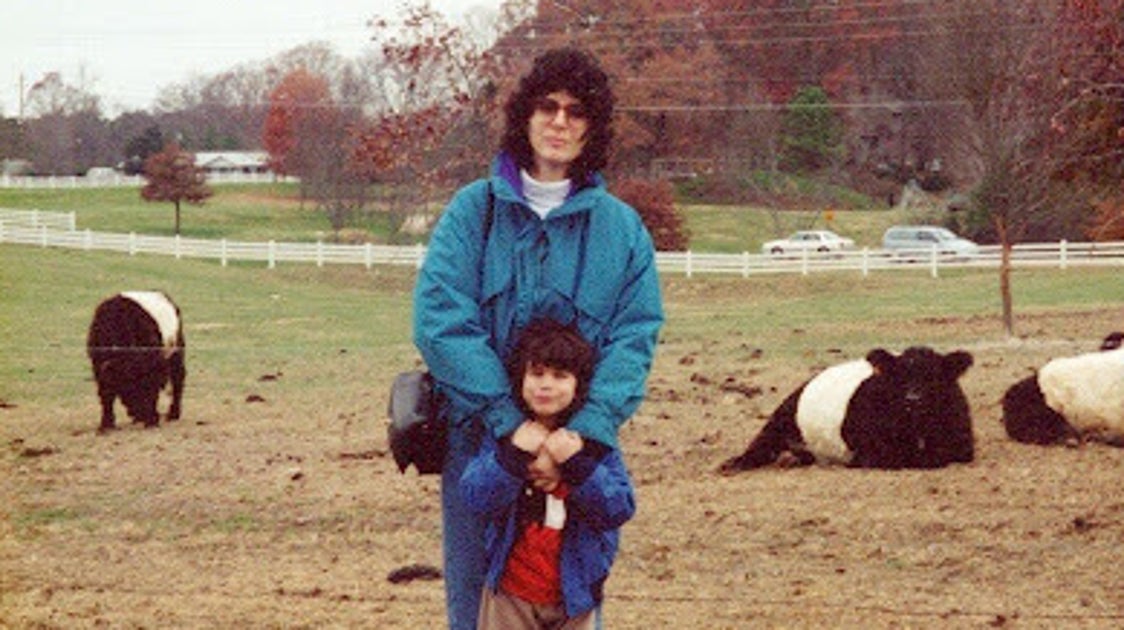
I talked with her for close to 45 minutes, reminding her that grief comes with shock and many other big feelings. I connected her to the counseling center on campus, knowing she wouldn’t share this news with a stranger. The reason she came to me was because I share the story of losing my mom in an introduction to every class I teach at Bellevue College, outside of Seattle. Teaching Human Communication courses has allowed me to bring in education about the wholly human experience of grief that we will all have at some point in our lives. I believe that grief education should be mandatory in classrooms because our students are navigating this emotion on a daily basis.
We live in what I call “grief illiterate” society and that does more damage than the naked eye can see. Our students experience death and other kinds of grief, and it impacts their academics, their relationships and their confidence. Students are grieving the safety of their families because of their race or immigration status. They grieve friendships that fell apart, arguments with family at home, not making the team, losing pets.