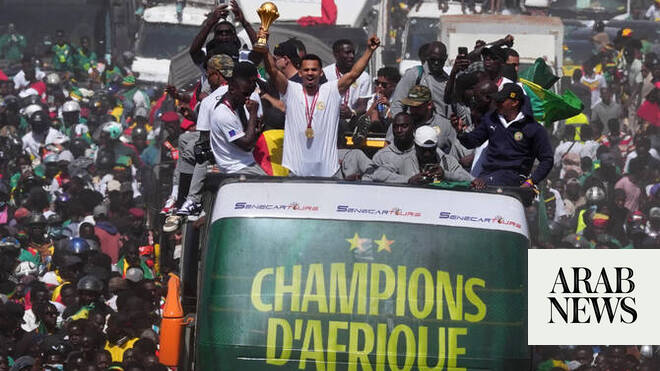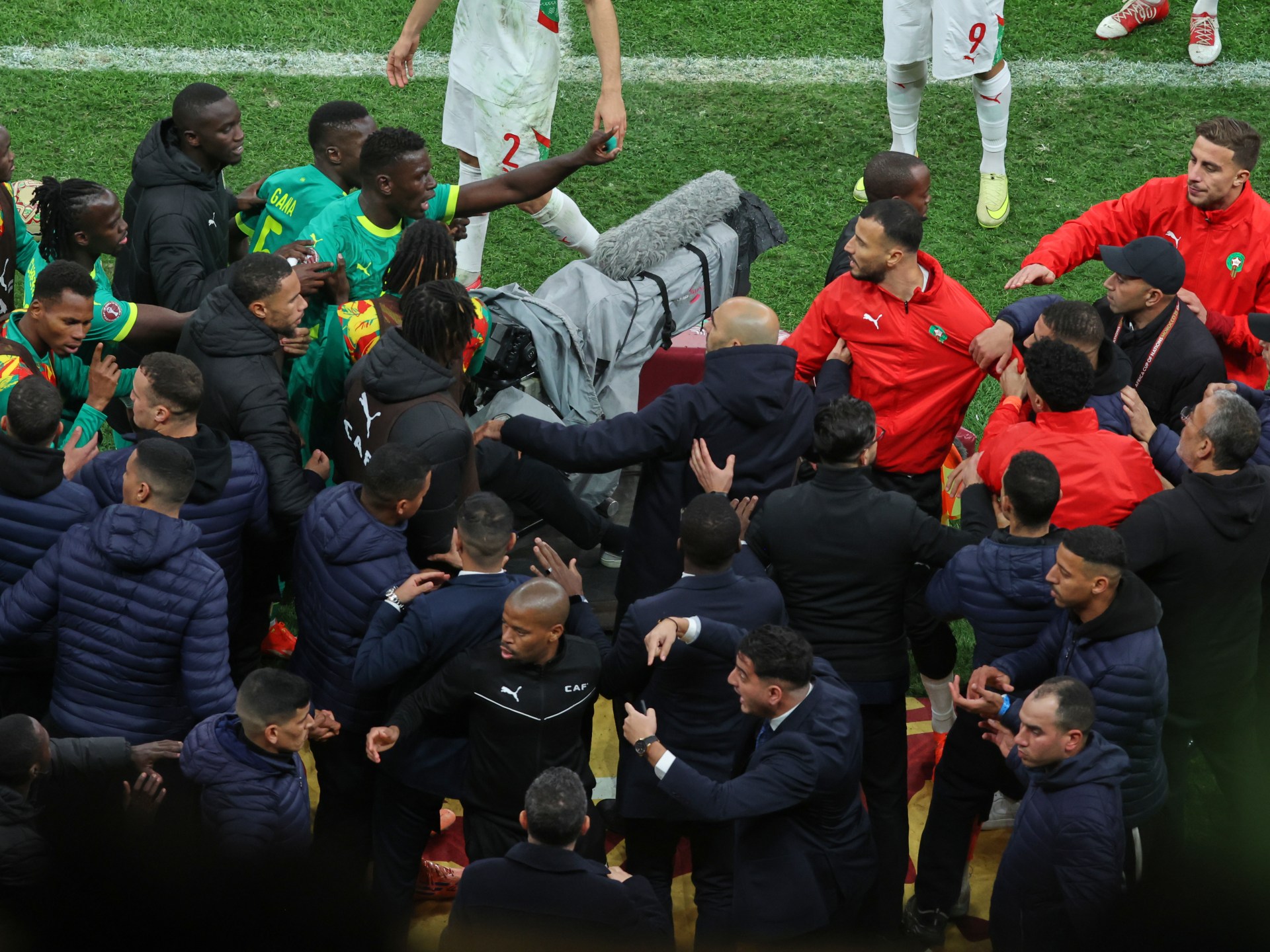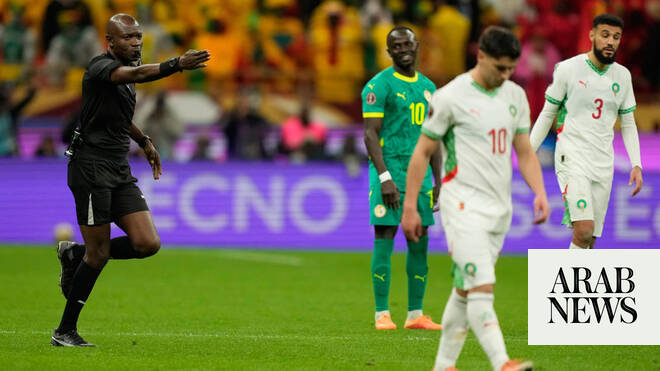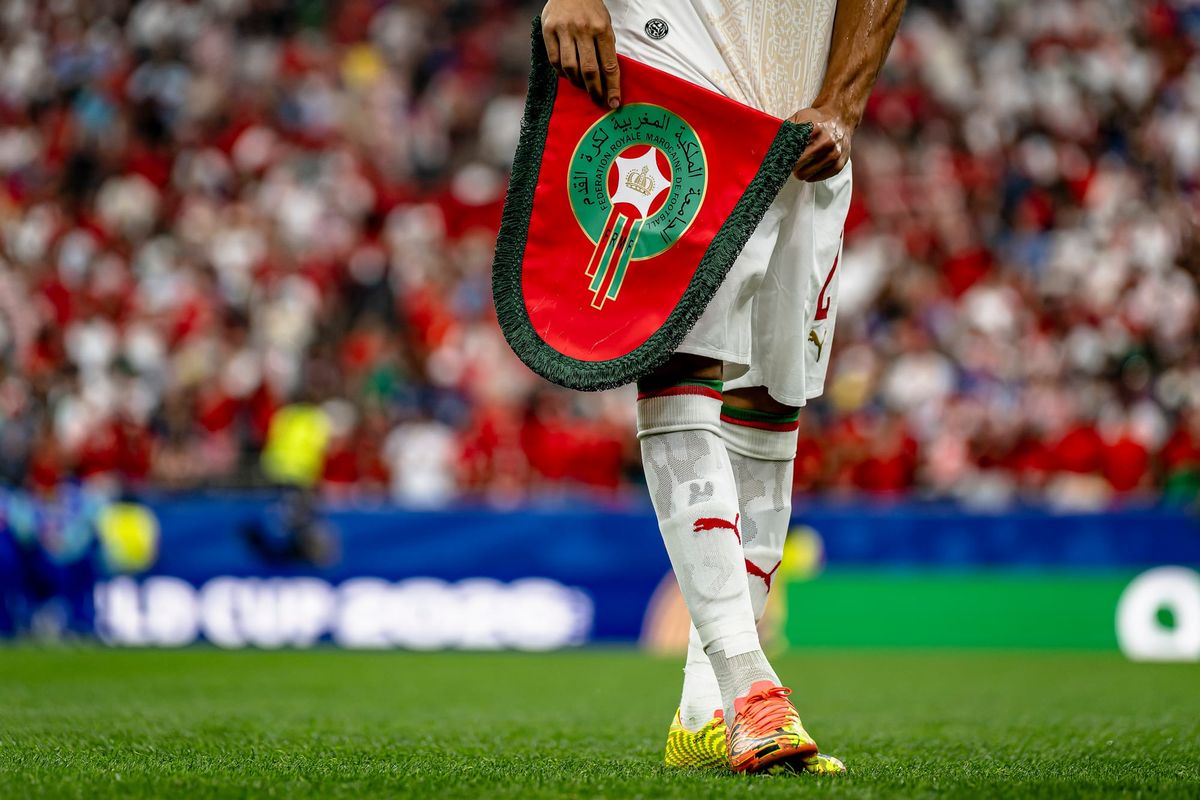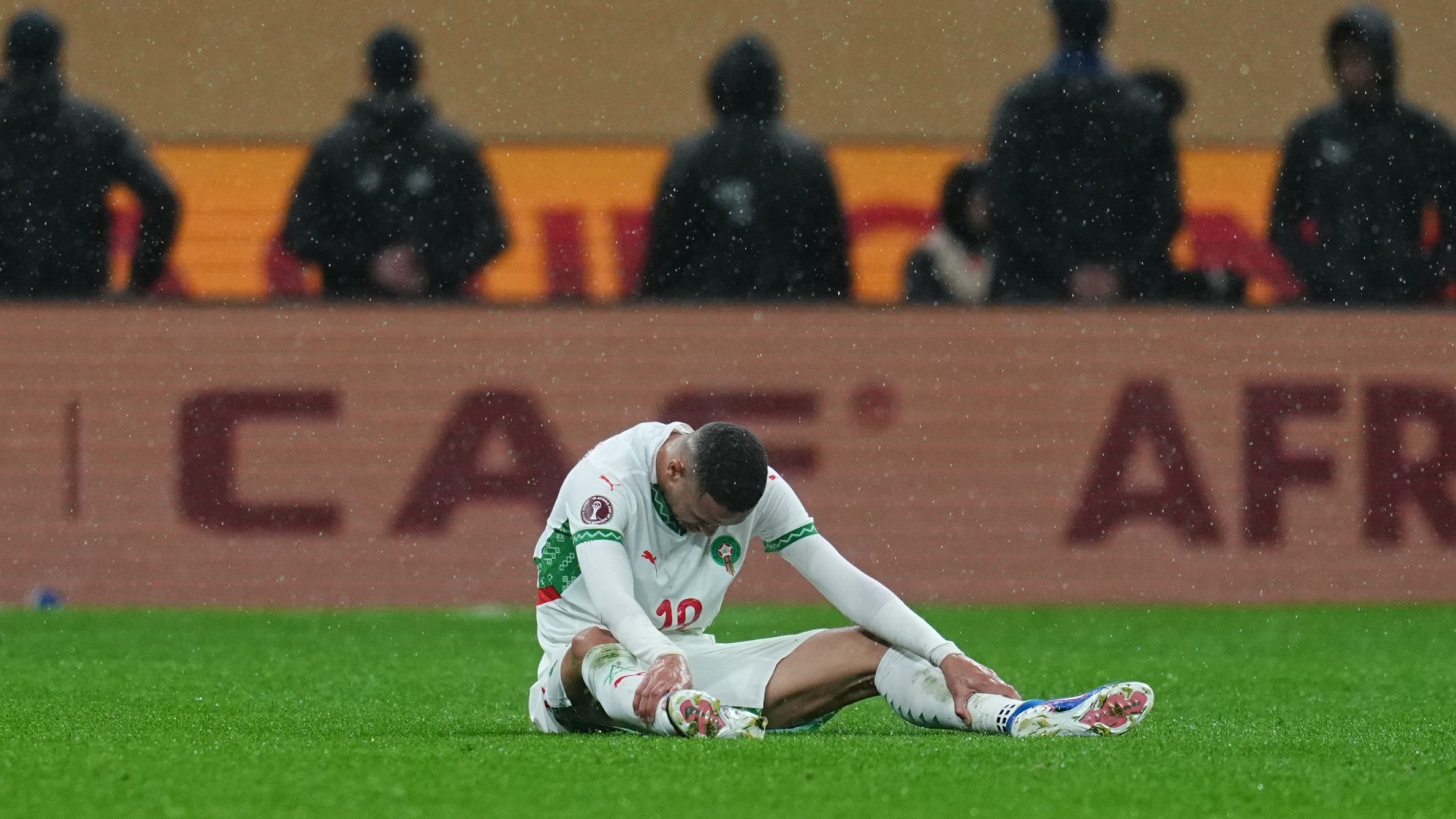
As many Moroccans were gripped by the chaotic scenes of the home team’s stunning defeat by Senegal in last Sunday’s African Cup of Nations (Afcon) final at Rabat’s Prince Moulay Abdellah Stadium, Omar had other things on his mind.
“As a family, we’re deeply worried about my brother’s health and well-being. Inside the prison, conditions are extremely difficult,” said Omar, who spoke to Middle East Eye using a different name for security reasons.
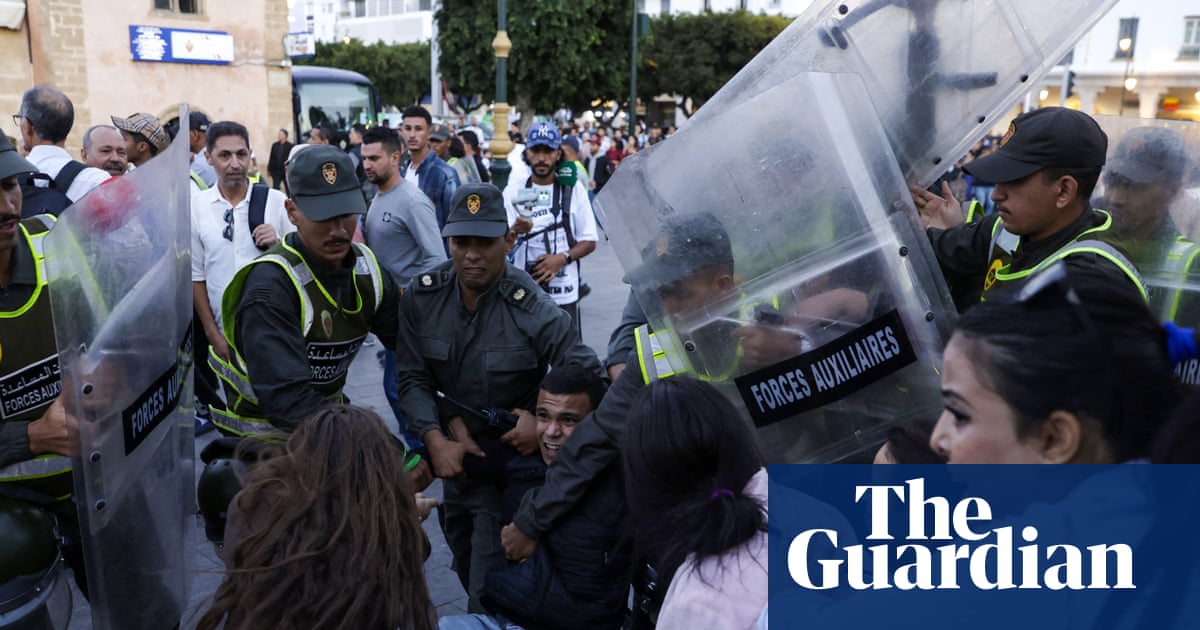
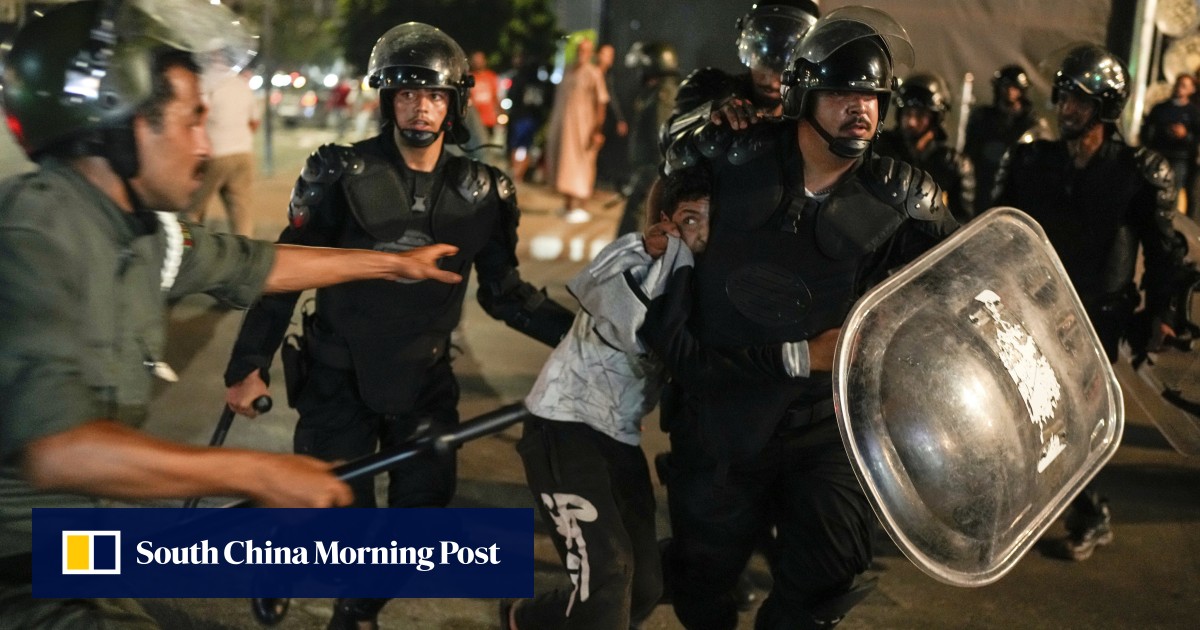
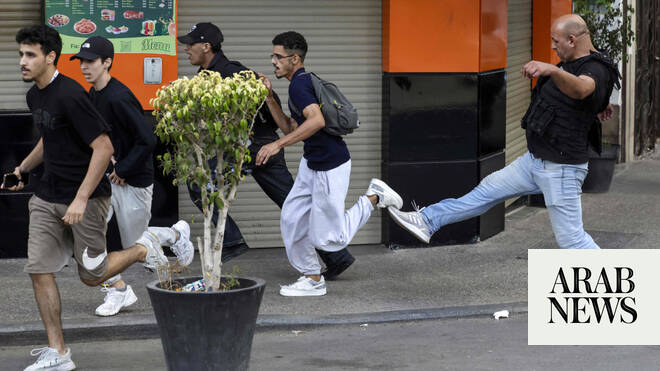
Omar’s brother was one of at least 2,400 people arrested during a wave of protests in Morocco between September and December 2025, with hundreds remaining in custody. Charged with obstructing the highway in Casablanca, he has been in prison since September.
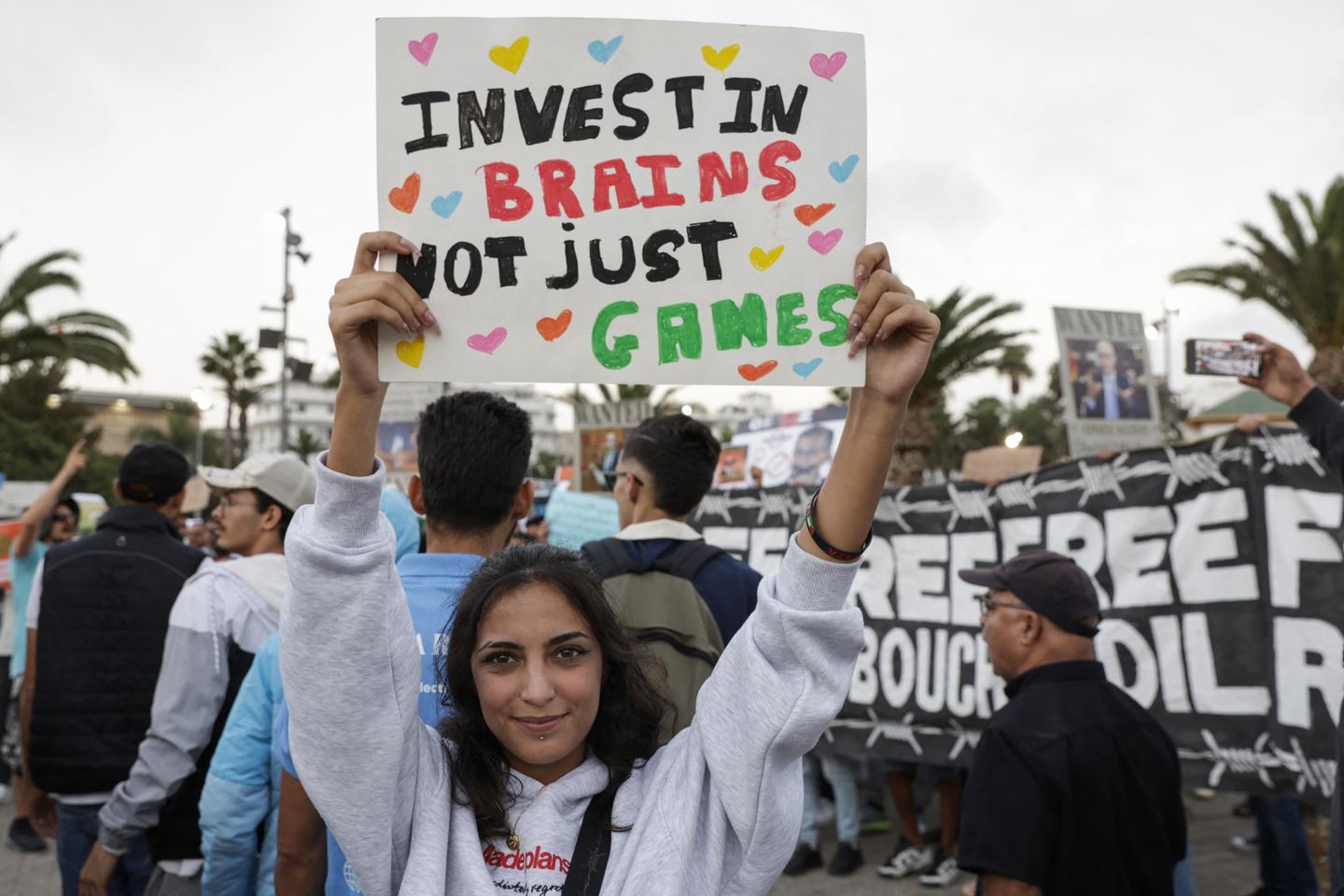
The protests, which began amid public outrage over the deaths of eight women from failed caesarean sections in a public hospital in Agadir in the country’s south, were led by young people and self-styled as “GenZ 212” after the generation and the country’s dialling code.
Their demands centred on tackling Morocco’s underfunded healthcare and education infrastructure, addressing corruption, and improving political rights. Within weeks, they became the most widespread demonstrations the kingdom had seen since the 2011 Arab Spring.