While the threat of retaliatory measures to stop the annexation of Greenland worked, it remains to be seen if Europe has the unity to follow through
T
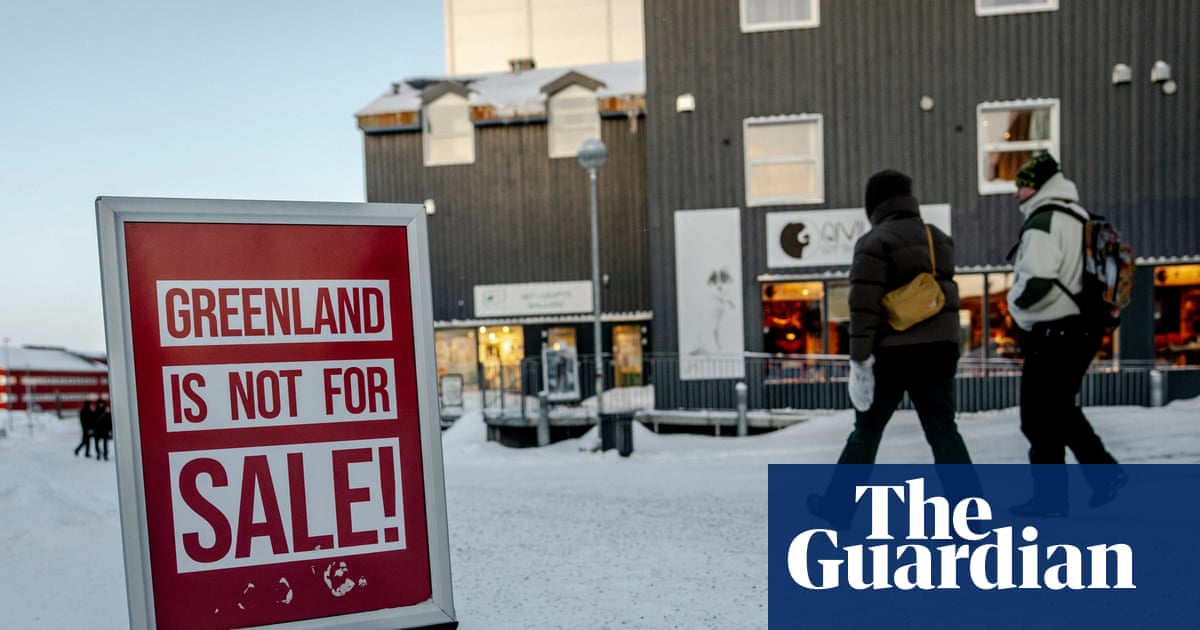
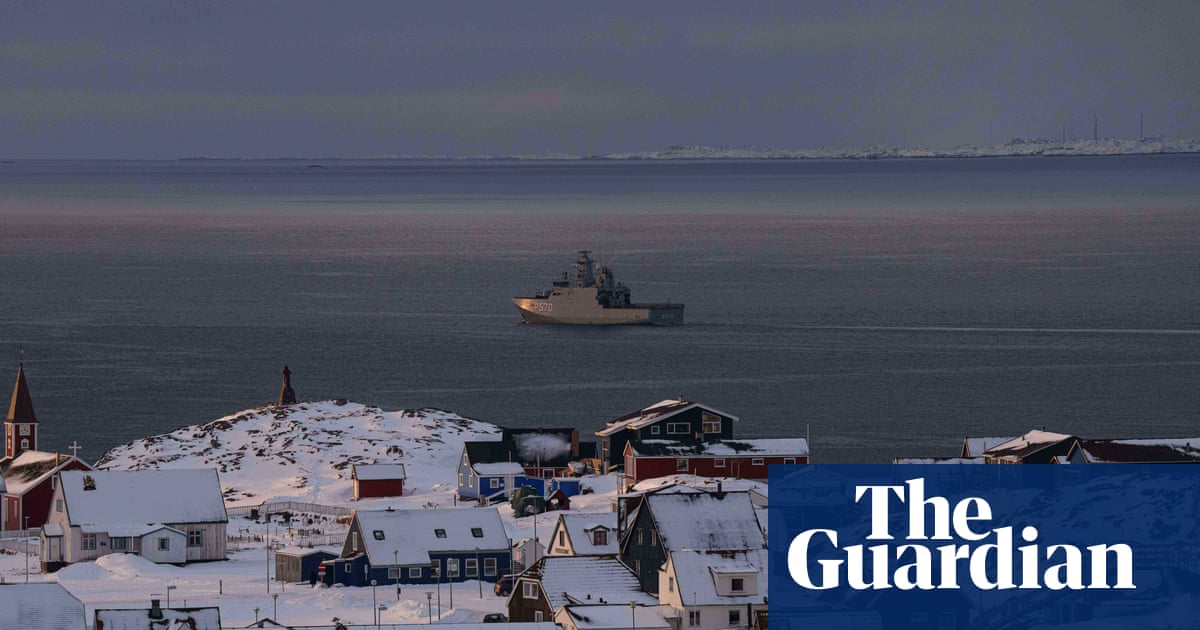
he past couple of weeks have seen the most spectacular crisis escalation in the transatlantic relationship, over the US threat to annex Greenland, a self-governing territory of Denmark. It risked becoming a major conflict among the members of Nato, the most powerful security alliance in world history – until now.
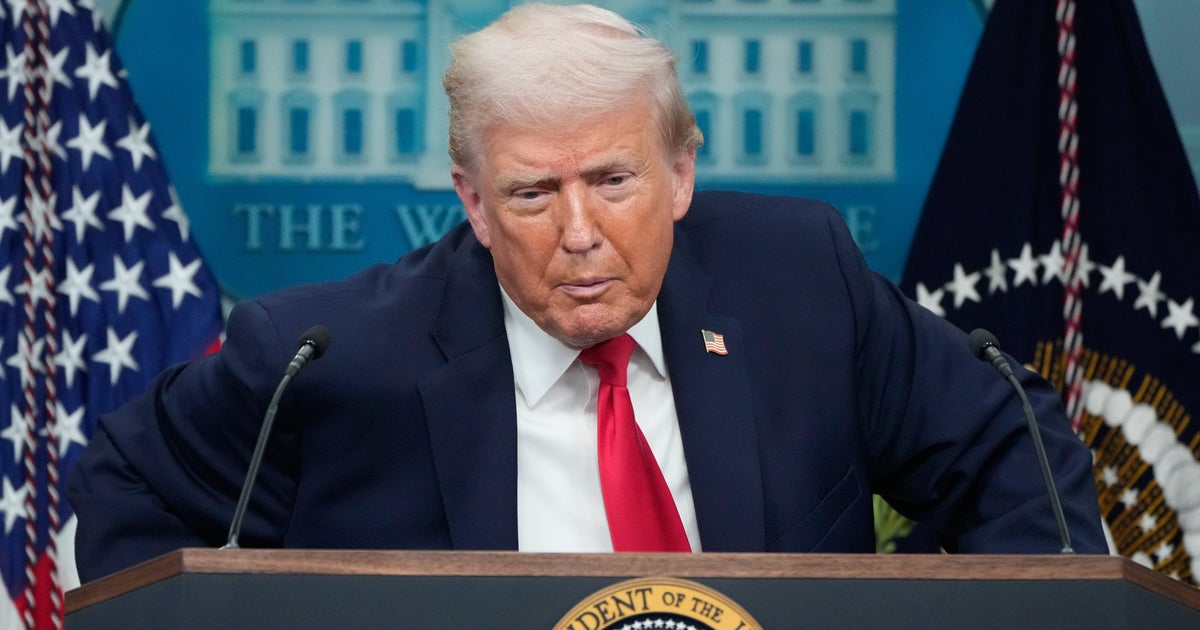
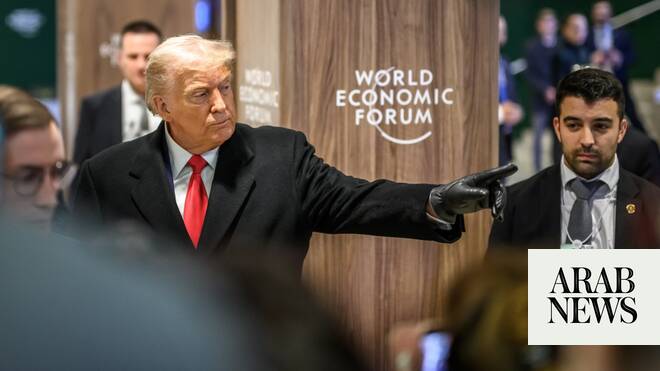
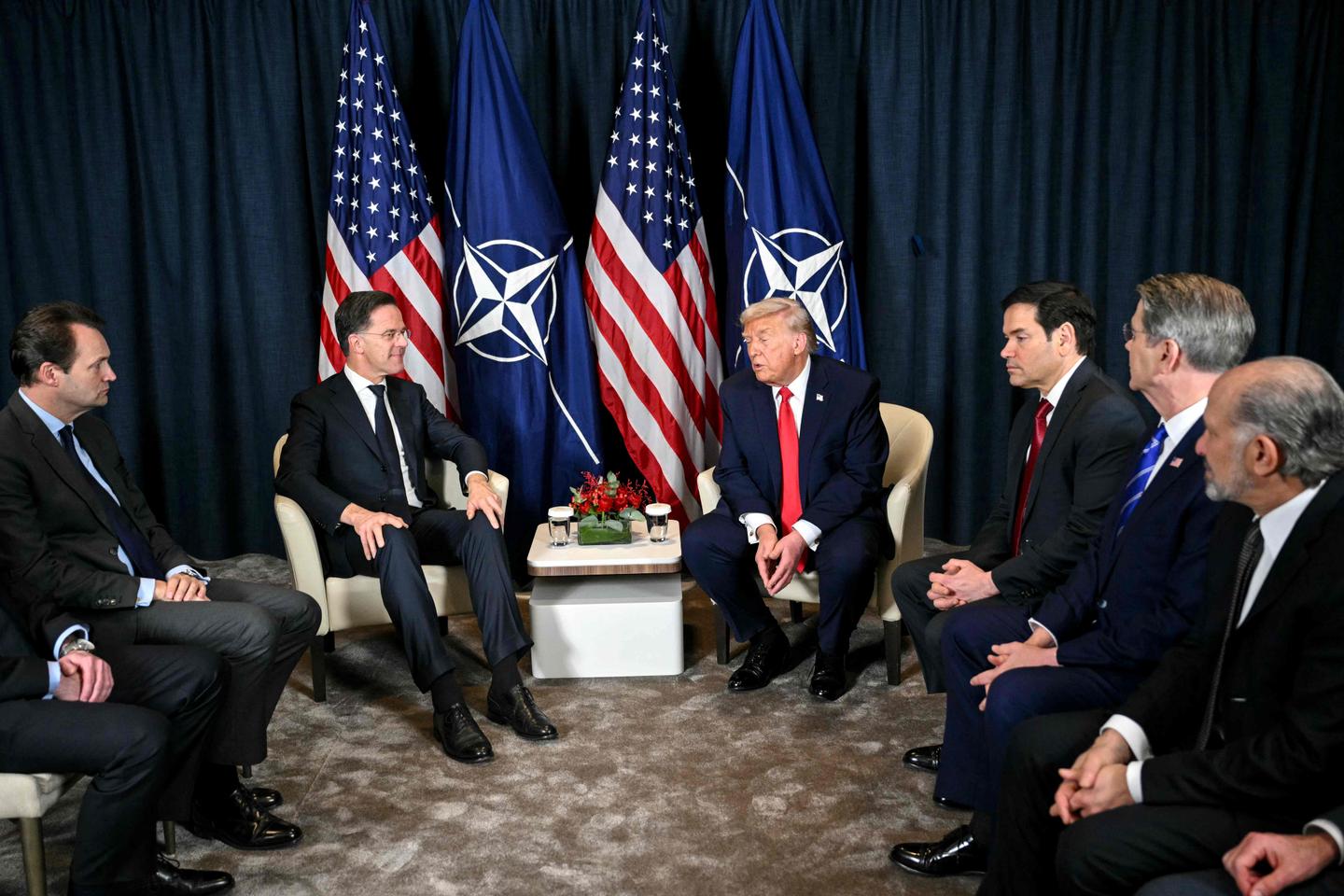
On Wednesday, after a meeting with Nato’s secretary general, Mark Rutte, the US president, Donald Trump, backtracked on his threats to slap tariffs on countries that got in the way of his annexation project. As European leaders huddled together over dinner for a post-crisis debrief in Brussels on 22 January, they congratulated themselves on their unity and appreciated the intervention of Rutte, or “Daddy diplomacy”. If these really were the conclusions of the latest debacle in transatlantic relations, they are missing important parts of the story.
Rutte is well versed in dealing with Trump. It is likely that their conversation pushed the right buttons, offering him an offramp for his “psychologically important” need for Greenland. Earlier diplomatic talks between American, Danish and Greenlandic representatives addressing the reasons behind the US wish to annex Greenland – national security, the mineral resources under its land mass and its quick access to space – had not made the breakthrough. Further Nato and European assurances on these questions seem to be part of the “framework” that Rutte and Trump discussed to end the crisis, such as banning China from mining exploration and offering a base for the US Golden Dome project.