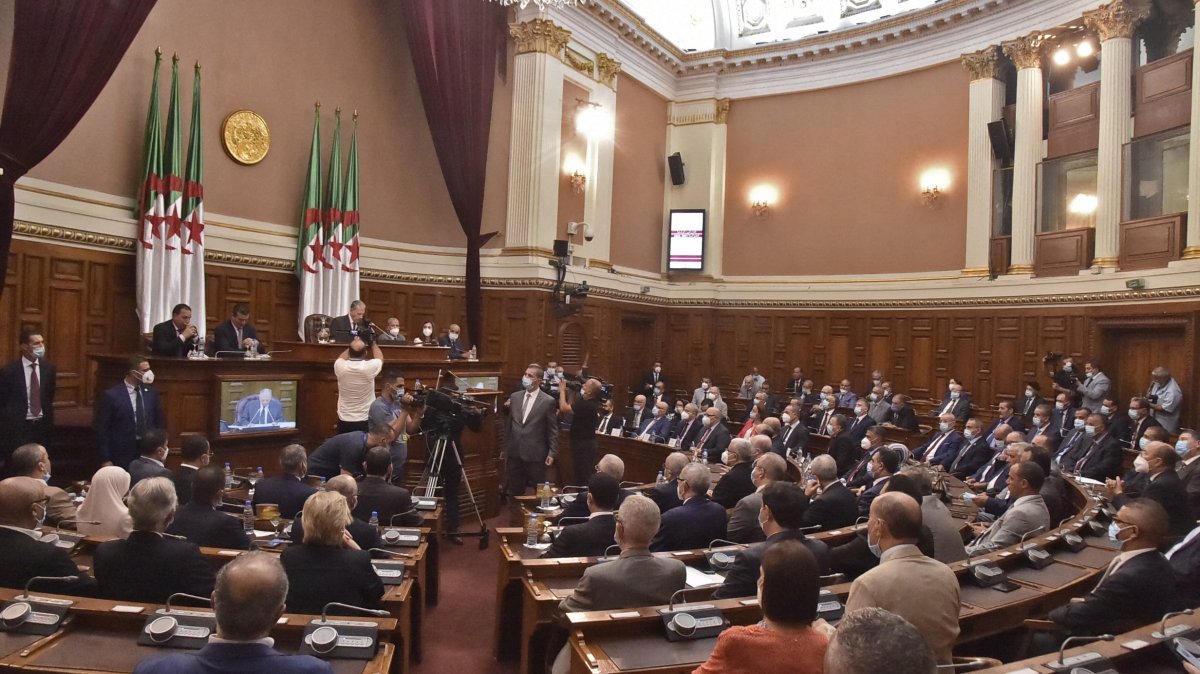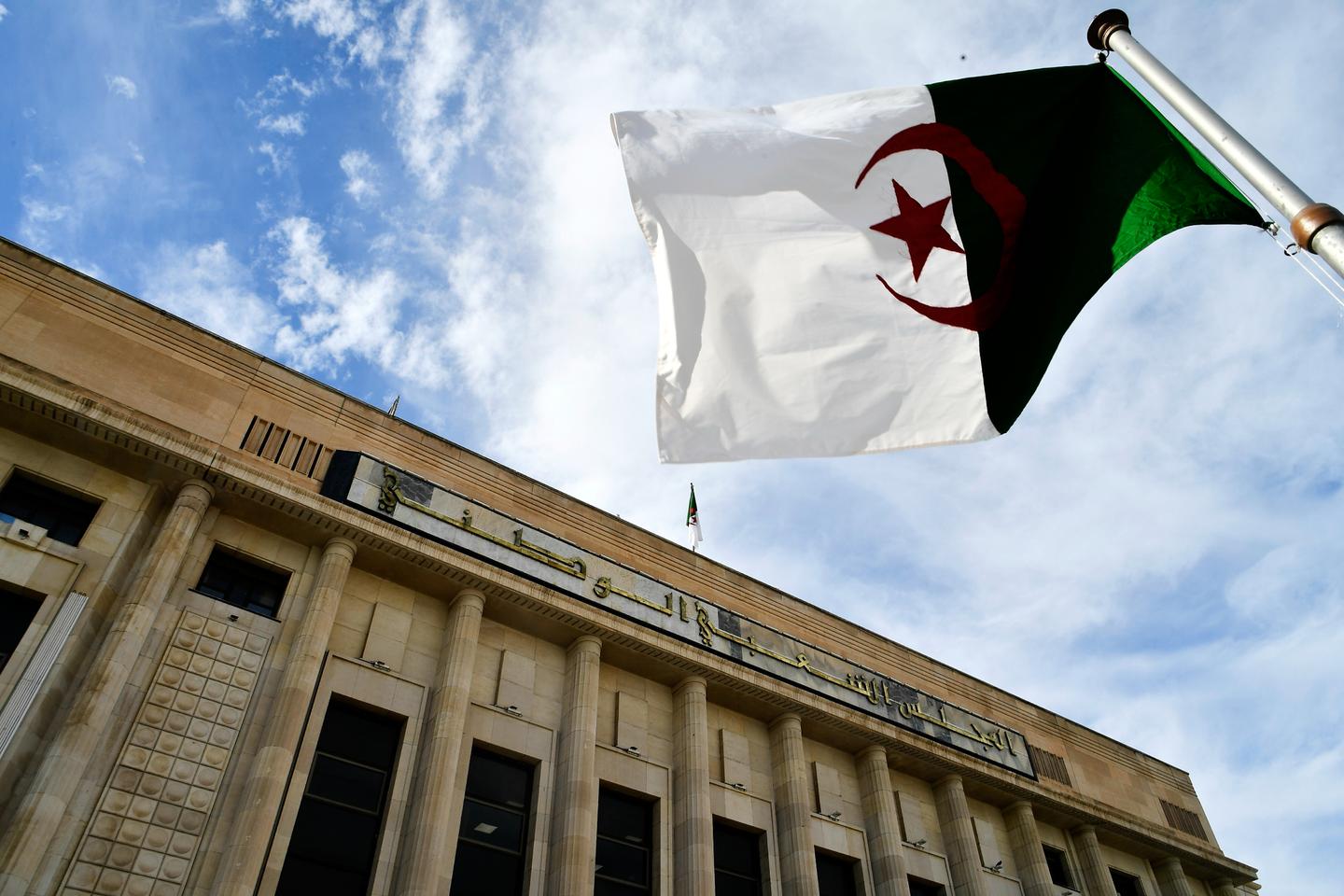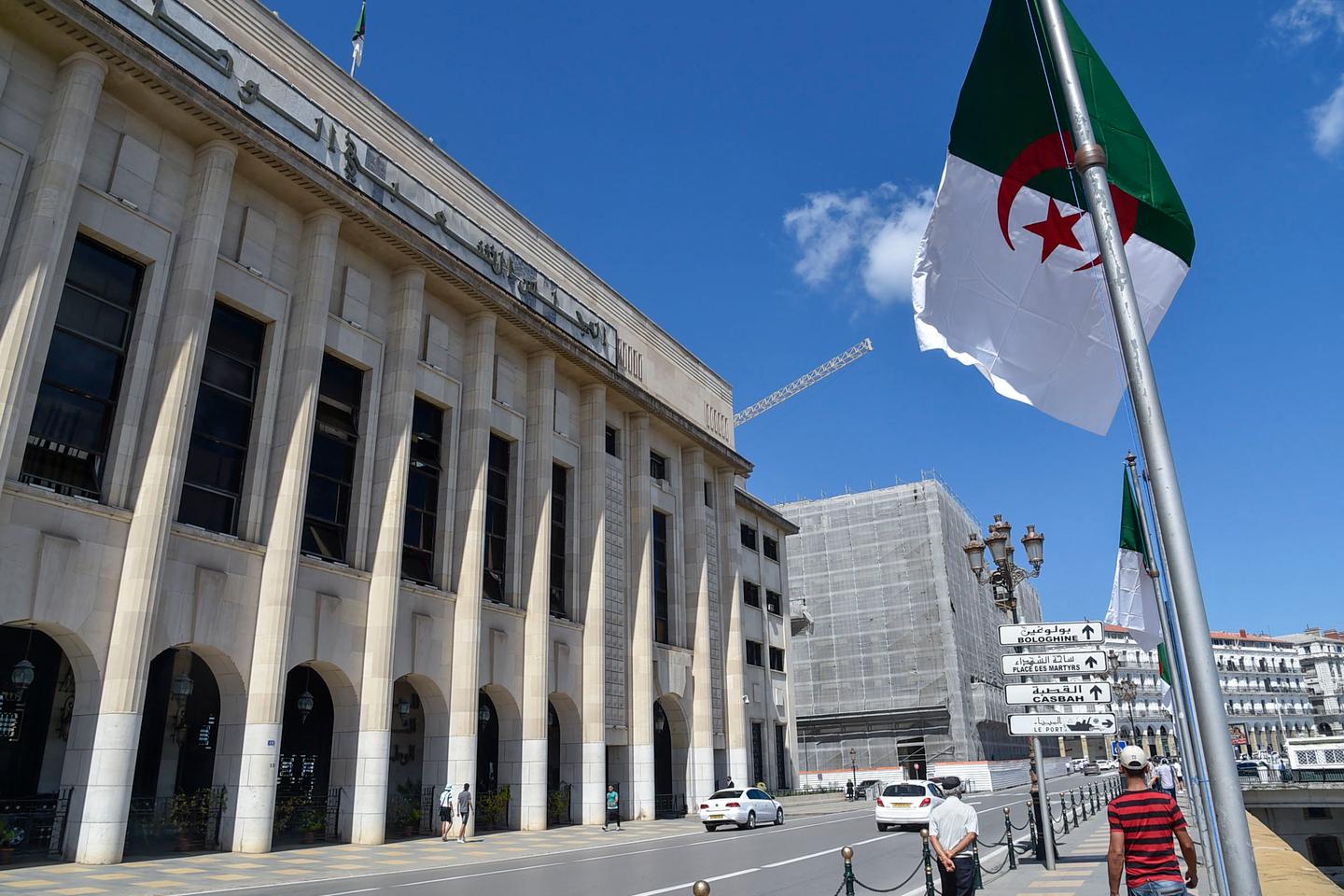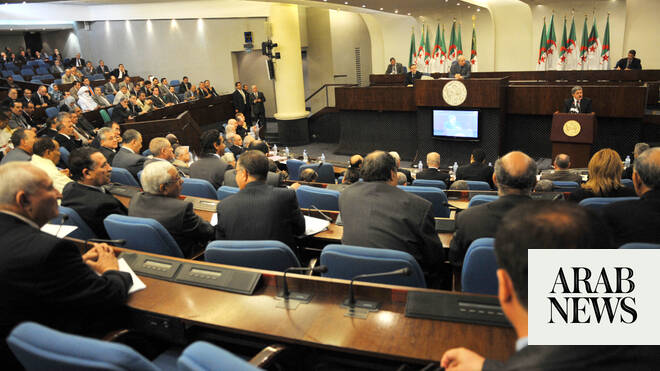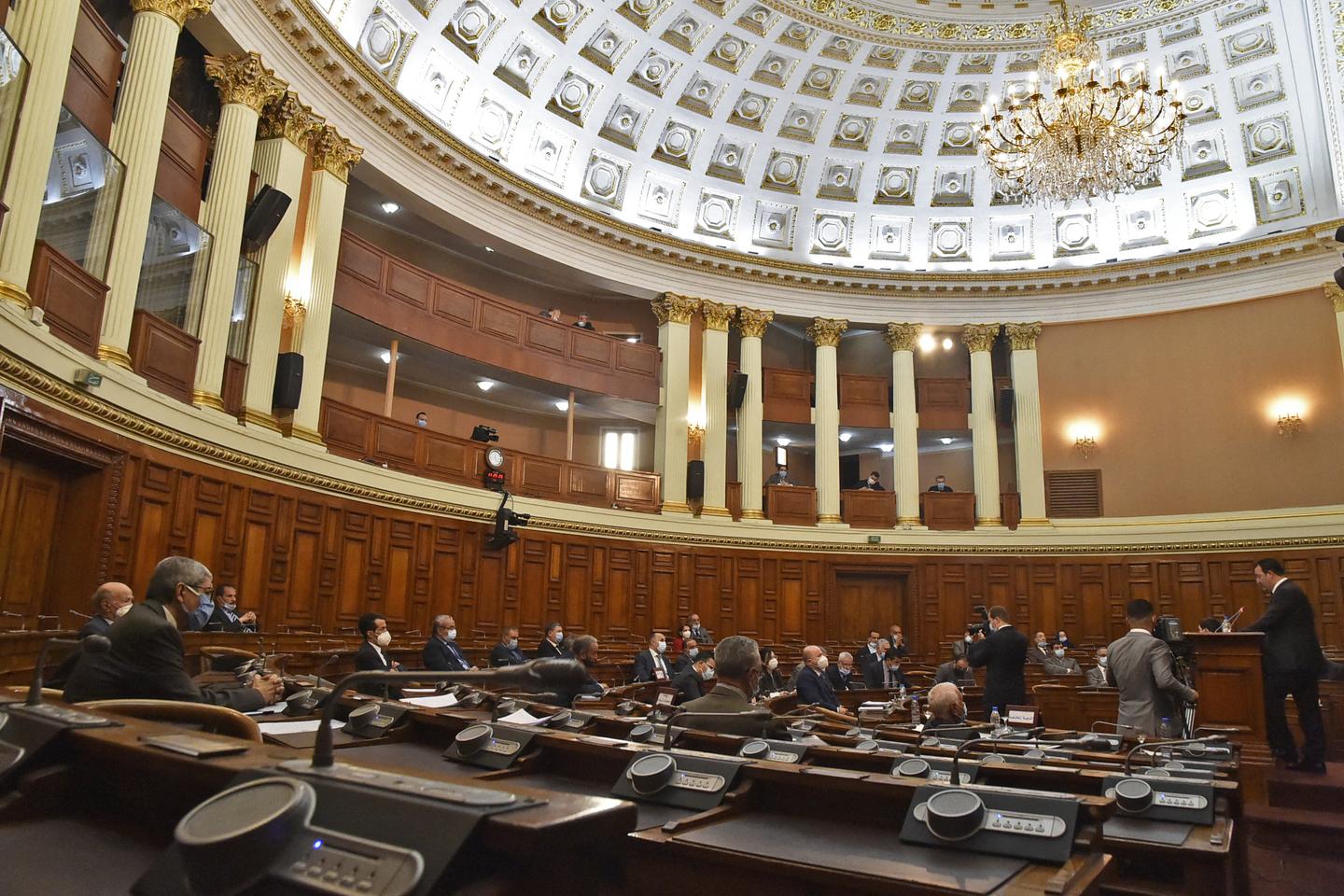
The chamber of the Council of the Nation, the upper house of the Algerian Parliament, in Algiers, on December 28, 2020. RYAD KRAMDI / AFP
Was it an adjustment, backpedaling or a desire for appeasement? While the deeper motivations behind the Thursday, January 22, vote by the Council of the Nation, the upper house of Algeria's parliament, on a bill criminalizing the country's historical colonization by France, remain difficult to pinpoint, the move was nonetheless significant. The Council unanimously issued "reservations" on 13 of the bill's 27 articles, after it had been approved by the lower house, the People's National Assembly, on December 24.
Among the articles so targeted were two that represented the bill's most controversial elements: Article 9, which demands that the French state issue apologies for the "crimes" committed during the colonial period, and Article 10, which covers reparations and "full and fair compensation for all material and moral damages caused by French colonialism."
The lower house vote, held on Christmas Eve, was characterized by conspicuous displays of patriotism: Members donned scarves bearing the Algerian colors and sang the national anthem before the voting opened. Across the Mediterranean, the French Foreign Ministry described the bill as a "manifestly hostile initiative, contrary to the desire to resume France-Algeria dialogue and to a calm approach to issues" related to the two countries' history, though it still expressed hope for "the resumption of demanding dialogue with Algeria."